
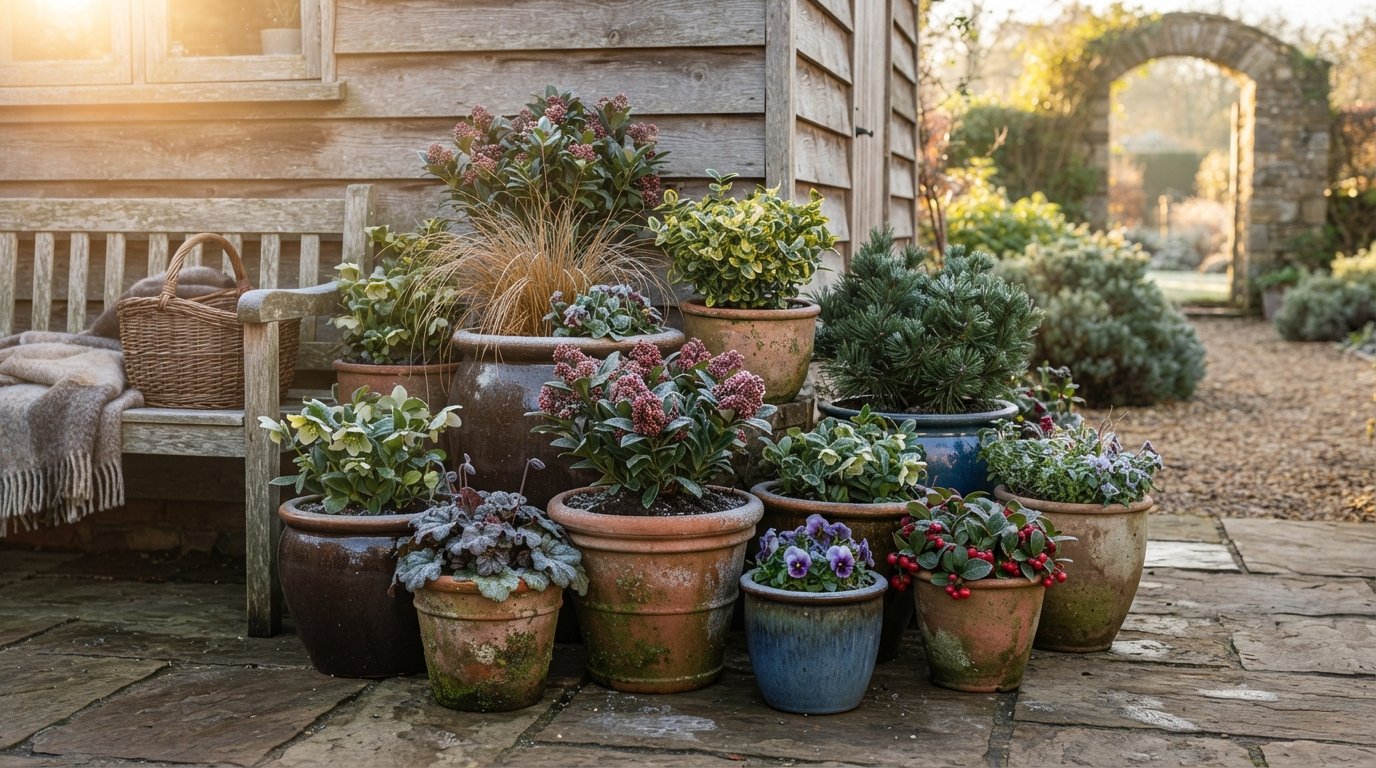
I’ve learned that gardening in a cold climate is less about fighting the weather and more about planning around it. Choosing hardy plants, protecting exposed areas, and making the most of the growing season can help create a garden that still feels colorful and inviting. If you also love a warm, rustic outdoor style, you can find more inspiration in my previous article, Vineyard Garden Ideas: 11 Beautiful Ways to Create a Wine Country-Inspired Outdoor Space.
From my experience researching and planning garden layouts, cold-climate gardens benefit from a mix of reliable perennials, evergreen structure, protected growing areas, and seasonal flowers. The goal is to create a space that looks beautiful during the warmer months while still having shape and interest when temperatures drop.
Here are 11 cold climate garden ideas to inspire your next outdoor project.
1. Plant a Hardy Perennial Border
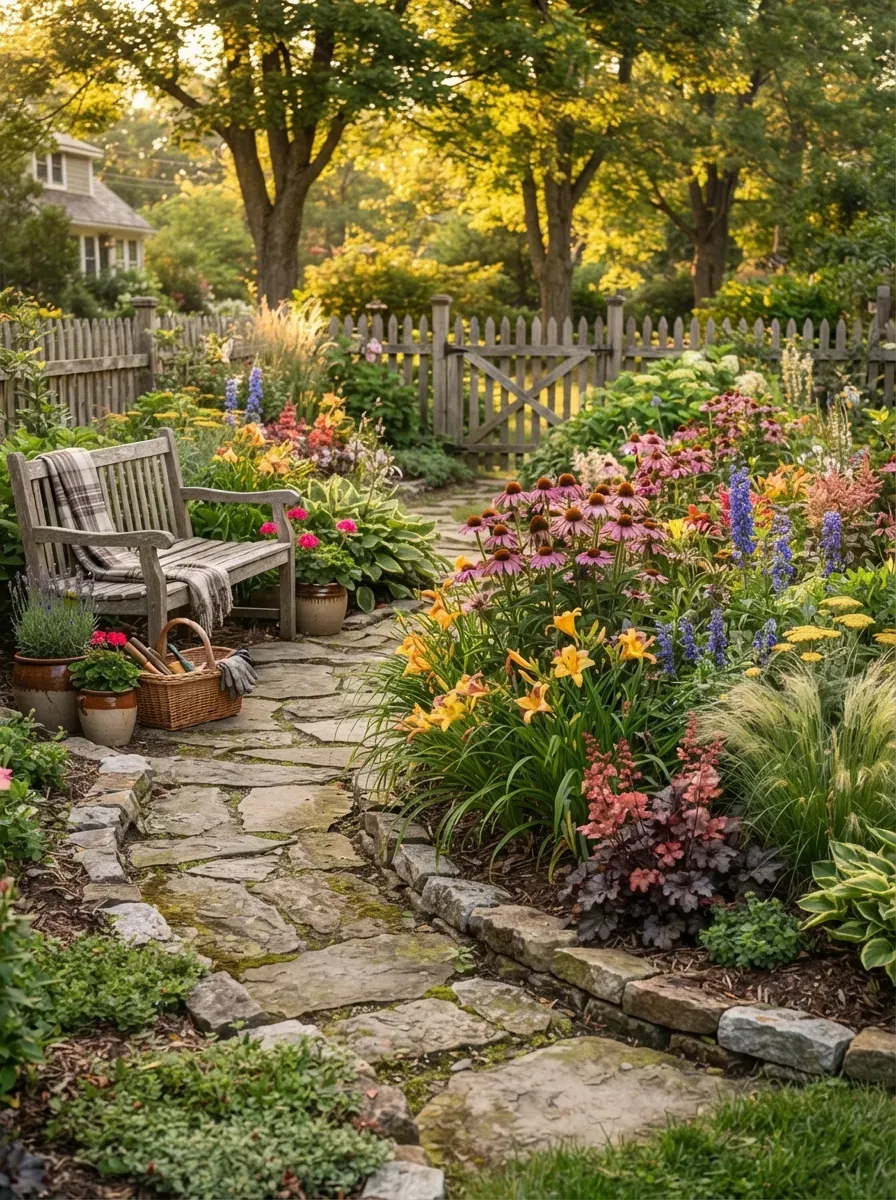
One of the first things I would include in a cold-climate garden is a border made with plants suited to the local winter conditions. Perennials can provide structure and return in later growing seasons when they are matched carefully to the site.
I like arranging plants in layers because this keeps the garden interesting even when not everything is blooming at the same time. Before choosing plants, check your local hardiness information and consider sun, wind, soil, and drainage. Extension guidance also recommends matching perennials to the garden site instead of choosing plants based only on appearance.
Why You’ll Love It
- Creates reliable structure and seasonal color.
- Makes the garden look full and layered.
- Can return for multiple growing seasons.
2. Create a Raised Bed for Better Drainage
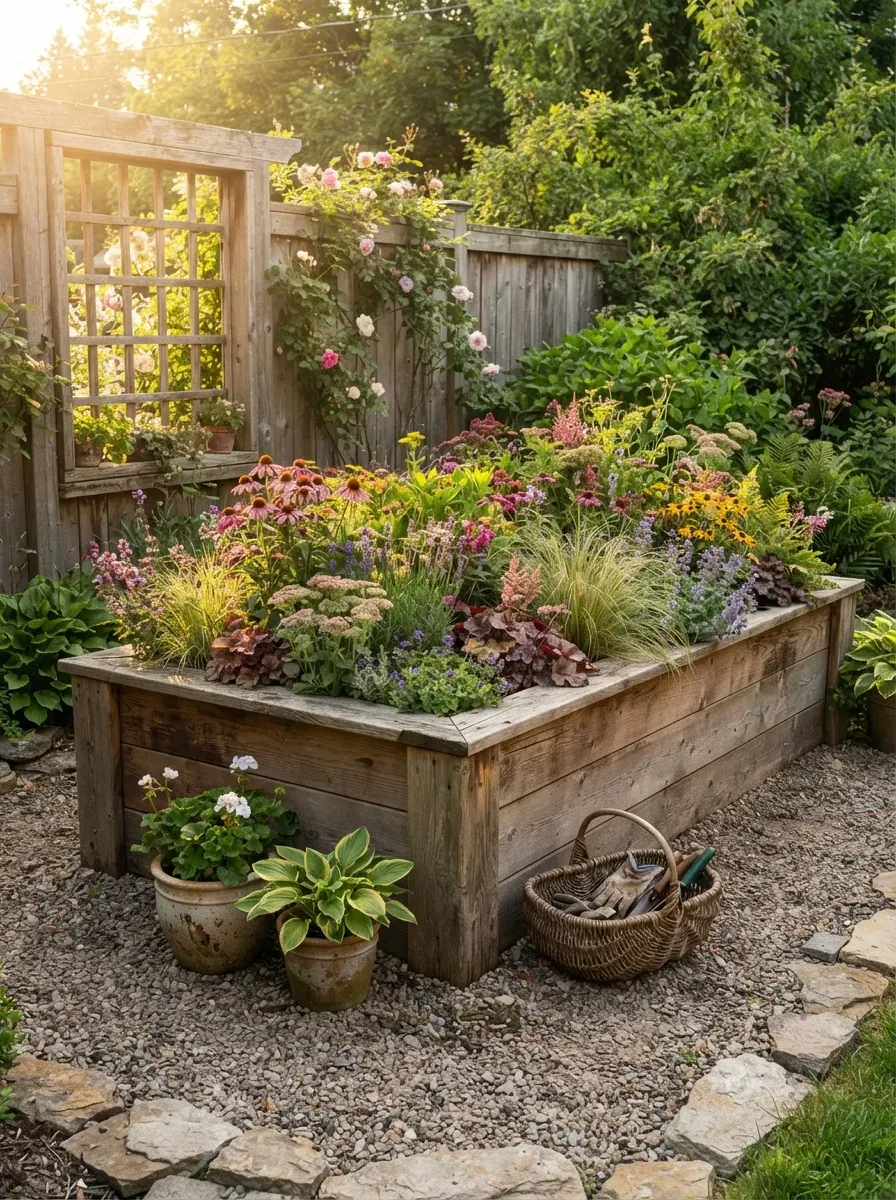
Raised beds can be especially useful when the natural soil has drainage problems. I like this approach because it also gives the garden a clear structure and makes it easier to create a well-planned planting area.
Good drainage matters in cold conditions because plants growing in poorly drained soil can face additional stress. If you use a raised bed, choose plants according to the amount of sun and moisture the location actually receives.
Why You’ll Love It
- Helps create a defined planting space.
- Can improve drainage in suitable situations.
- Makes planting and maintenance easier.
3. Add Evergreen Plants for Year-Round Structure
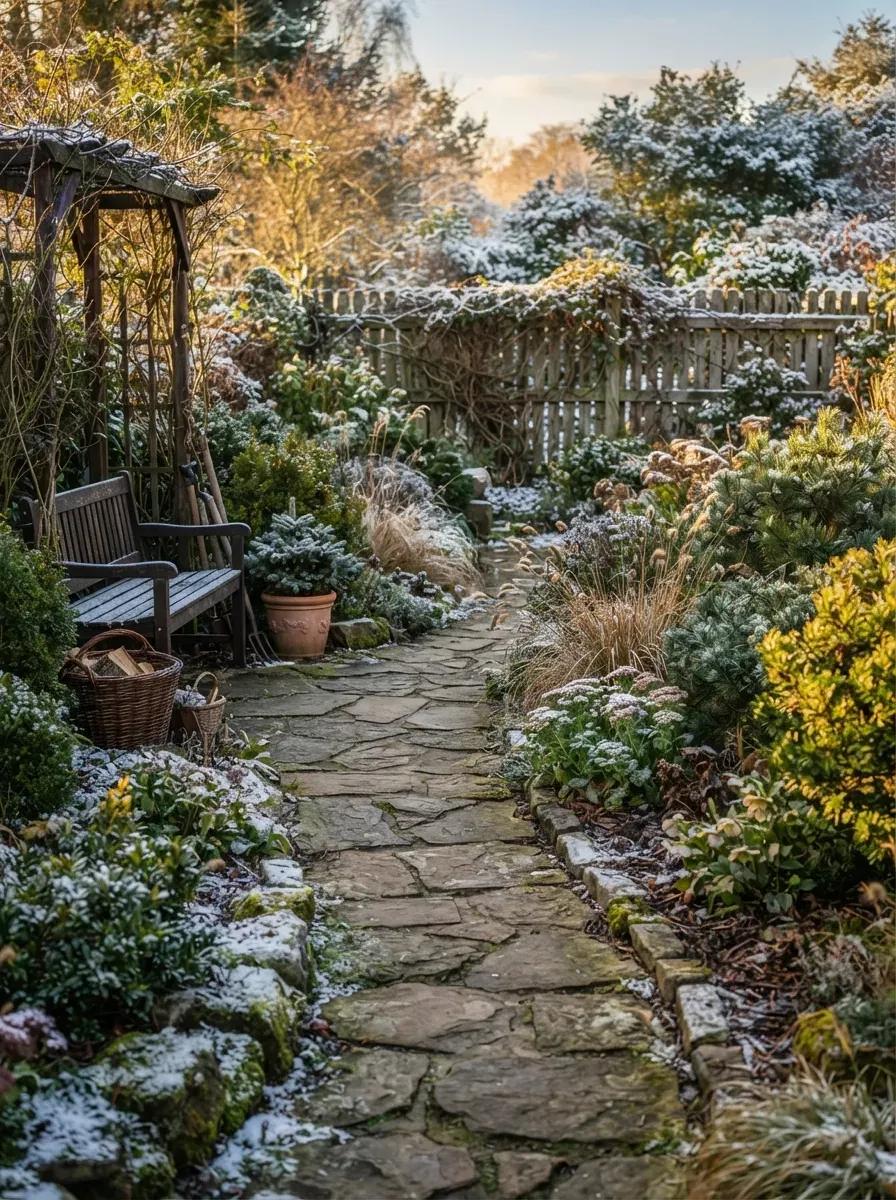
In my garden plans, I always like to include plants that can give the landscape shape after flowers fade. Evergreen shrubs and suitable conifers can keep the garden from looking completely empty during the colder months.
I would place them as anchor plants and build seasonal flowers and perennials around them. This creates a stronger garden design throughout the year.
Why You’ll Love It
- Adds green structure beyond the growing season.
- Creates natural focal points.
- Works beautifully with flowering plants.
4. Build a Wind-Protected Garden Corner
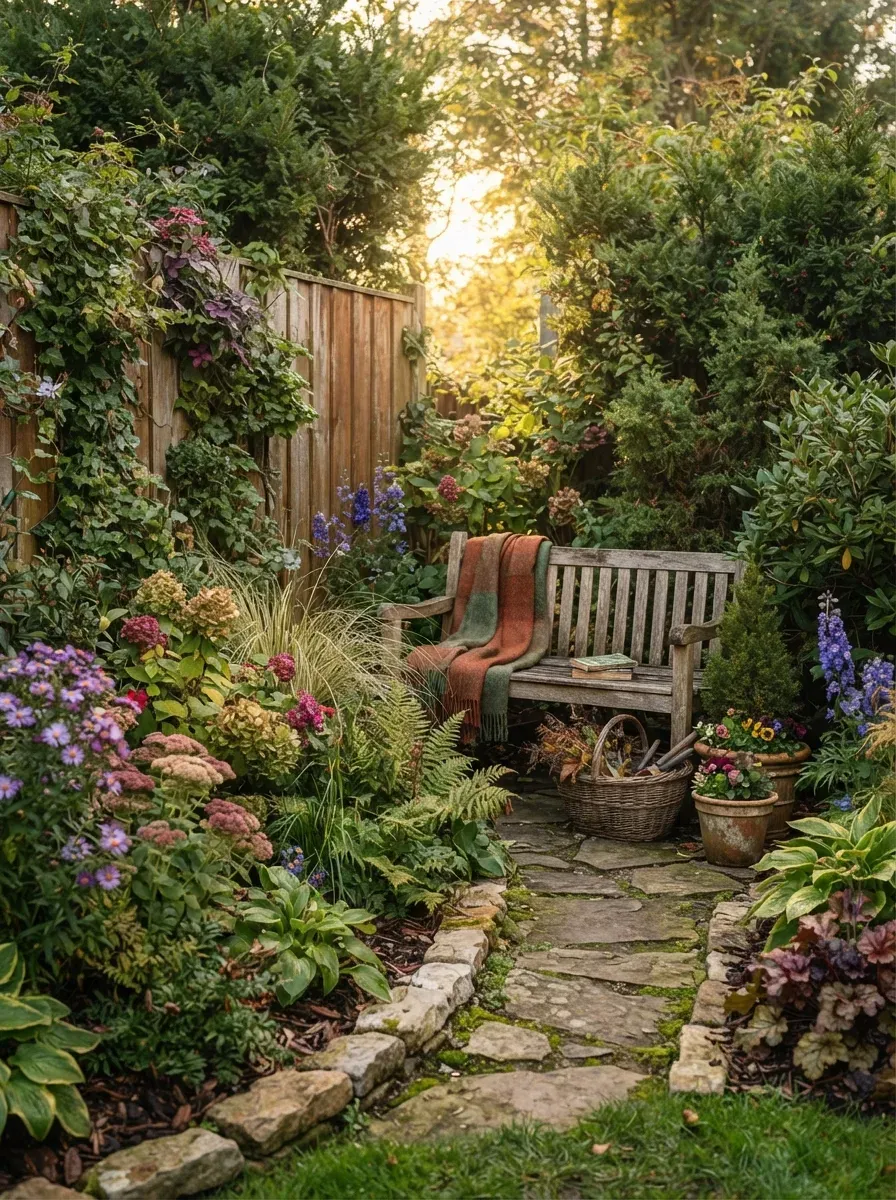
Strong winter winds can dry and damage plants, especially in exposed gardens. I like using fences, existing structures, or suitable planting to create a more sheltered area for plants that need extra protection.
A protected corner can also create a useful microclimate. Windbreaks can reduce the effects of cold winds, although the amount of protection depends on their design and placement.
Why You’ll Love It
- Helps reduce exposure to strong winds.
- Creates a cozy garden area.
- Gives sensitive plants a more protected location.
5. Design a Cold-Hardy Rock Garden
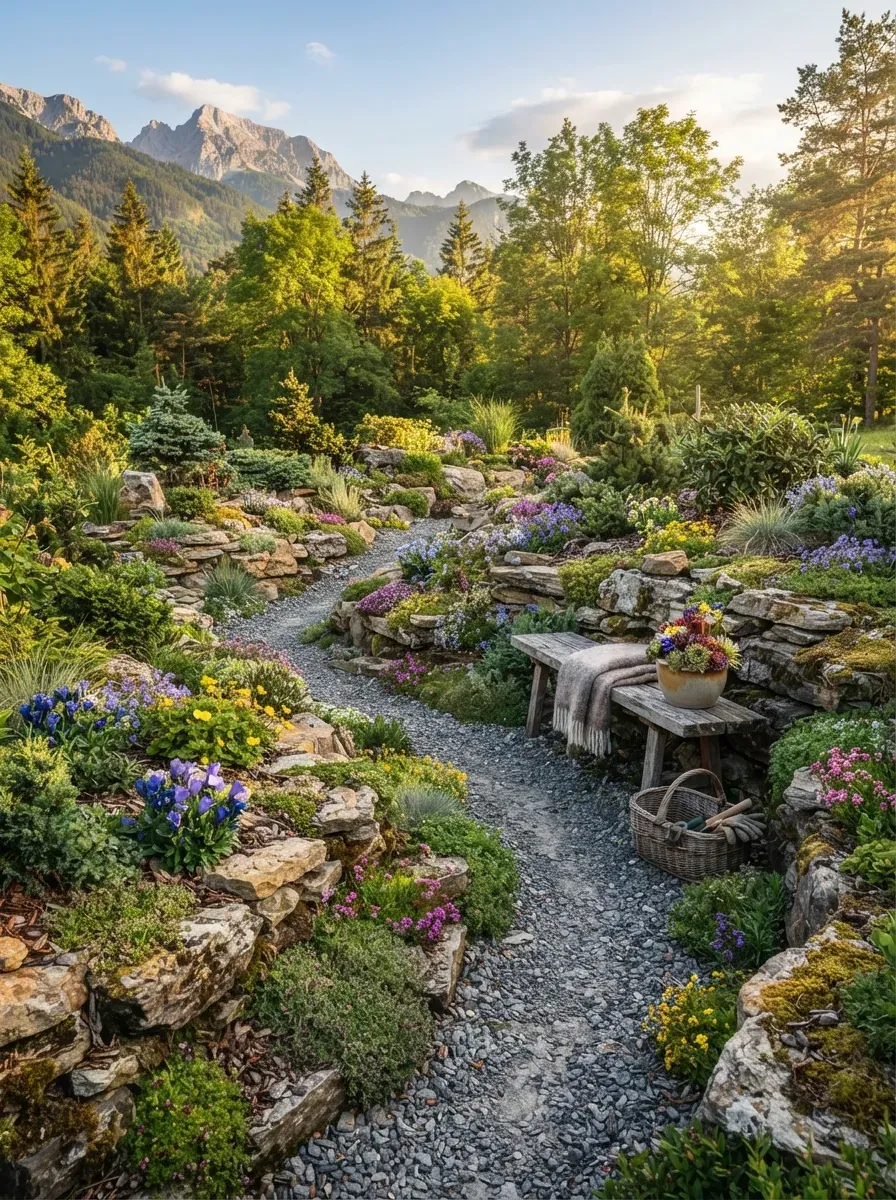
A rock garden can be a beautiful choice for a cooler region, especially when you choose plants that suit the site’s conditions. I like the combination of natural stone, low-growing plants, and small evergreen features because it adds texture even when flowers are not blooming.
When planning one, pay close attention to drainage and sun exposure. The stones should support the overall design rather than simply being scattered across the garden.
Why You’ll Love It
- Adds texture and structure.
- Works well with low-growing plants.
- Creates a natural landscape look.
6. Grow Cool-Season Flowers for Early Color
One way I like to extend the feeling of the garden season is by including flowers that can handle cooler conditions. These plants can add welcome color when many warm-season flowers are still waiting for higher temperatures.
Cold-tolerant choices vary by climate, so I would always check which varieties are suitable for your region. Pansies and violas are commonly used for cool-weather color, along with other plants suited to local conditions.
Why You’ll Love It
- Adds color early or late in the season.
- Brightens the garden during cool weather.
- Pairs well with hardy perennials.
7. Use Mulch to Protect Perennial Beds
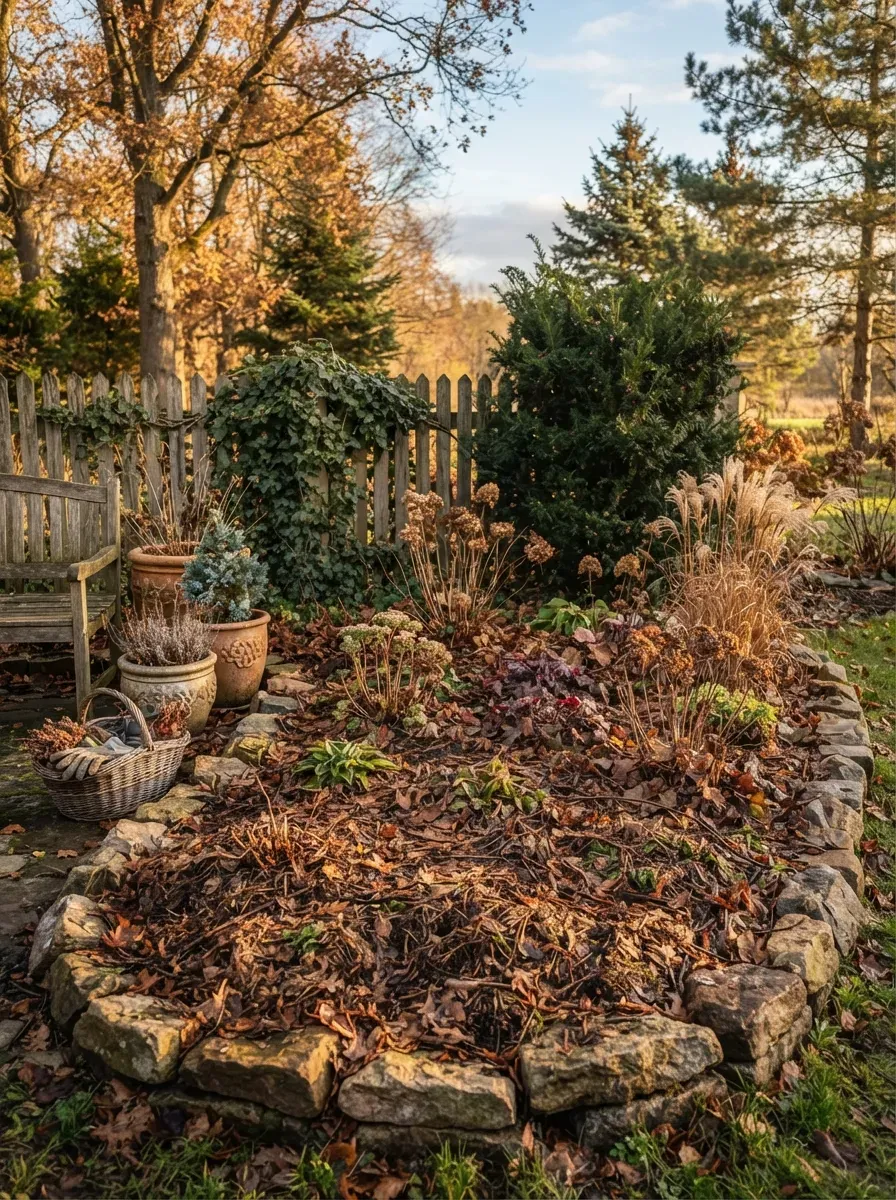
Mulch is one of the simplest ways I would protect perennial beds from repeated temperature changes. In many cold climates, freeze-and-thaw cycles can push shallow crowns and roots upward, leaving them more exposed.
Extension guidance commonly recommends applying an appropriate organic mulch layer after the soil begins to freeze, rather than too early. The right depth and timing depend on the plant and local conditions.
Why You’ll Love It
- Helps protect roots and crowns.
- Adds a neat finished look to beds.
- Can also help conserve soil moisture.
8. Create a Winter Vegetable Garden
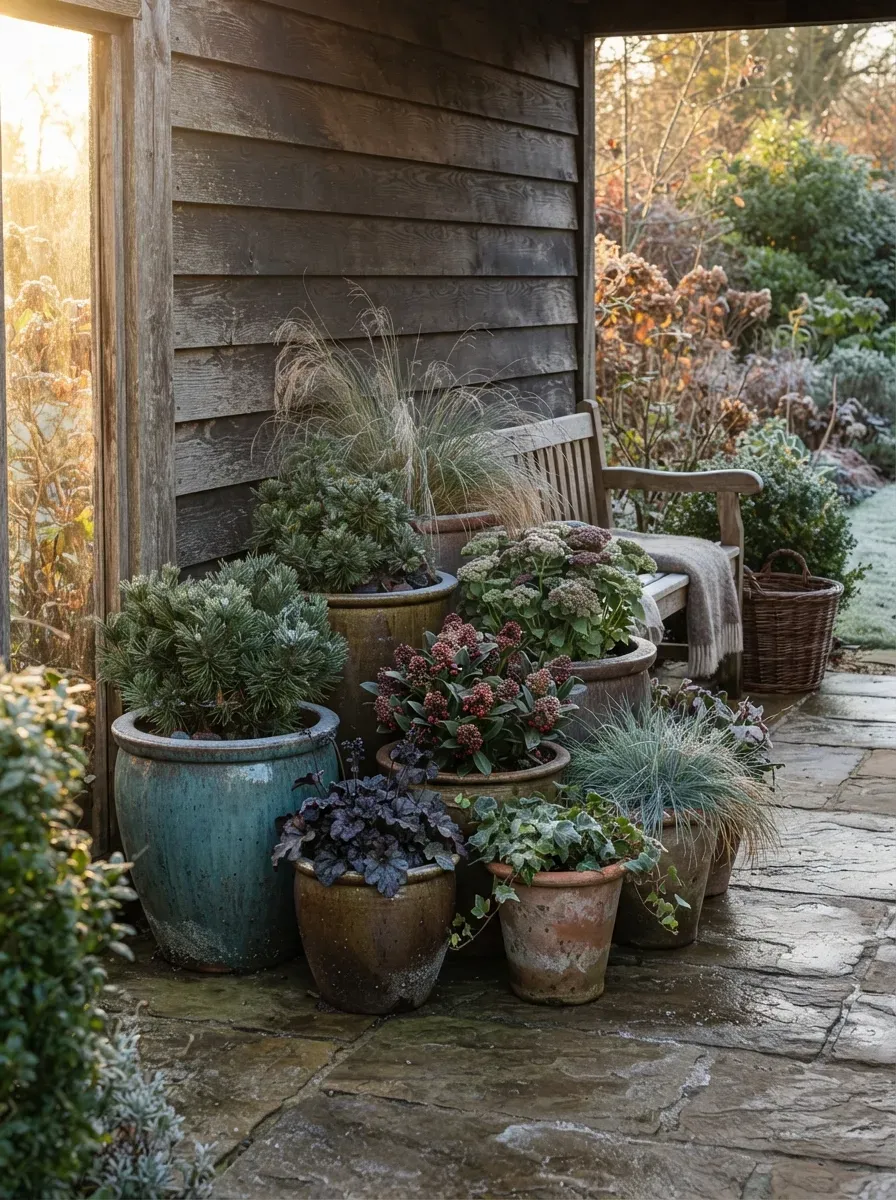
A cold-climate garden does not have to focus only on ornamental plants. Depending on your local season and temperatures, cool-season vegetables can help you make better use of the garden.
I like keeping this area close to the house so harvesting stays convenient. Crops such as kale, spinach, cabbage, carrots, and other cool-season vegetables may be useful options when they match your local growing calendar.
Why You’ll Love It
- Adds a practical element to the garden.
- Makes use of cooler growing periods.
- Combines fresh food with attractive greenery.
9. Add Ornamental Grasses for Winter Interest
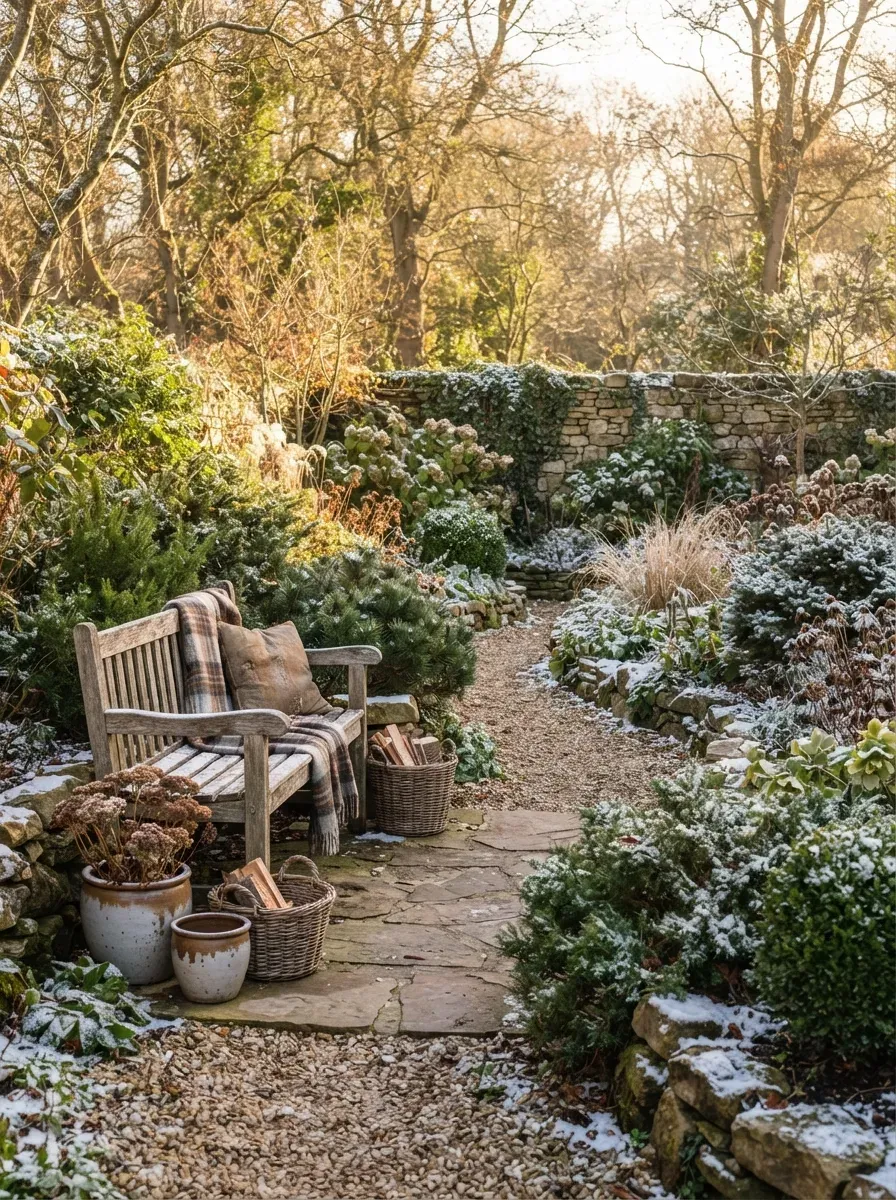
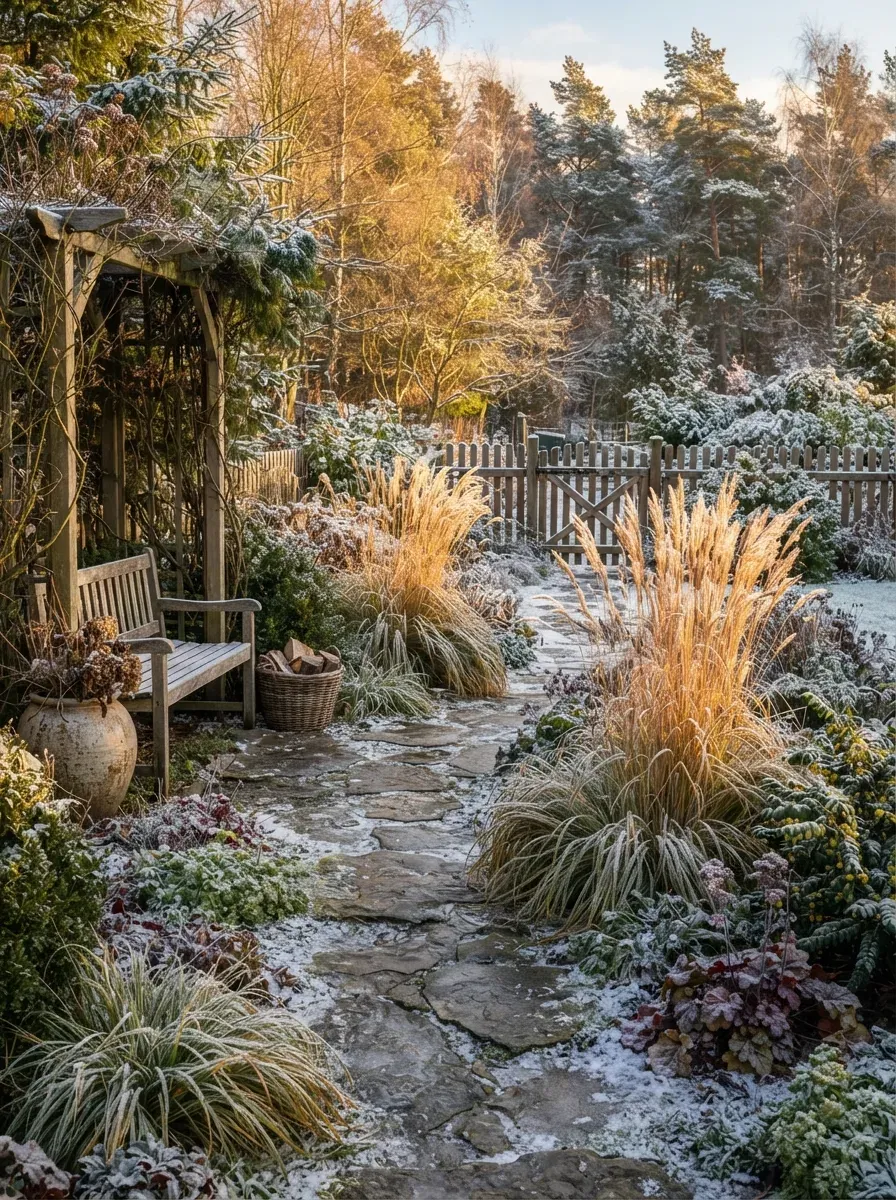
I often think ornamental grasses are overlooked when planning a cold-climate garden. Their shape, movement, and seed heads can add interest after many flowering plants have gone dormant.
In some cases, leaving healthy plant material standing through winter can also provide visual interest and extra protection around the crown. Diseased plant material, however, should be handled differently to reduce the risk of carrying problems into the next season.
Why You’ll Love It
- Adds movement and texture.
- Keeps the garden visually interesting in winter.
- Pairs beautifully with evergreens and stone.
10. Use Containers in Protected Areas
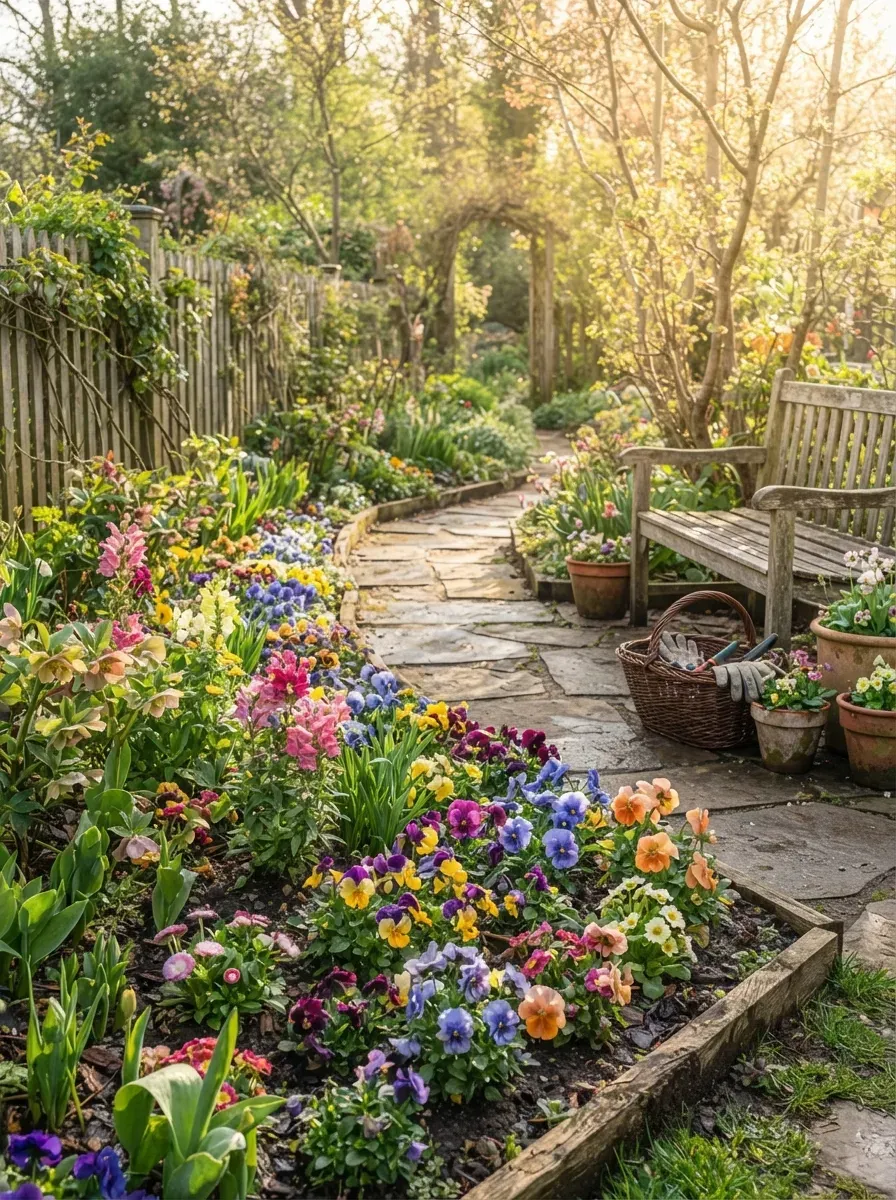
Container gardens give me more flexibility because plants can sometimes be moved into a sheltered area when severe weather is expected. However, roots in containers can be more exposed than roots planted directly in the ground.
For winter protection, grouping containers in a sheltered location and insulating them with suitable materials can help reduce heat loss. The best method depends on the plant, container, and local climate.
Why You’ll Love It
- Gives you more flexibility with placement.
- Makes it easier to create seasonal displays.
- Can allow extra protection during severe weather.
11. Create a Cozy Evergreen and Stone Garden
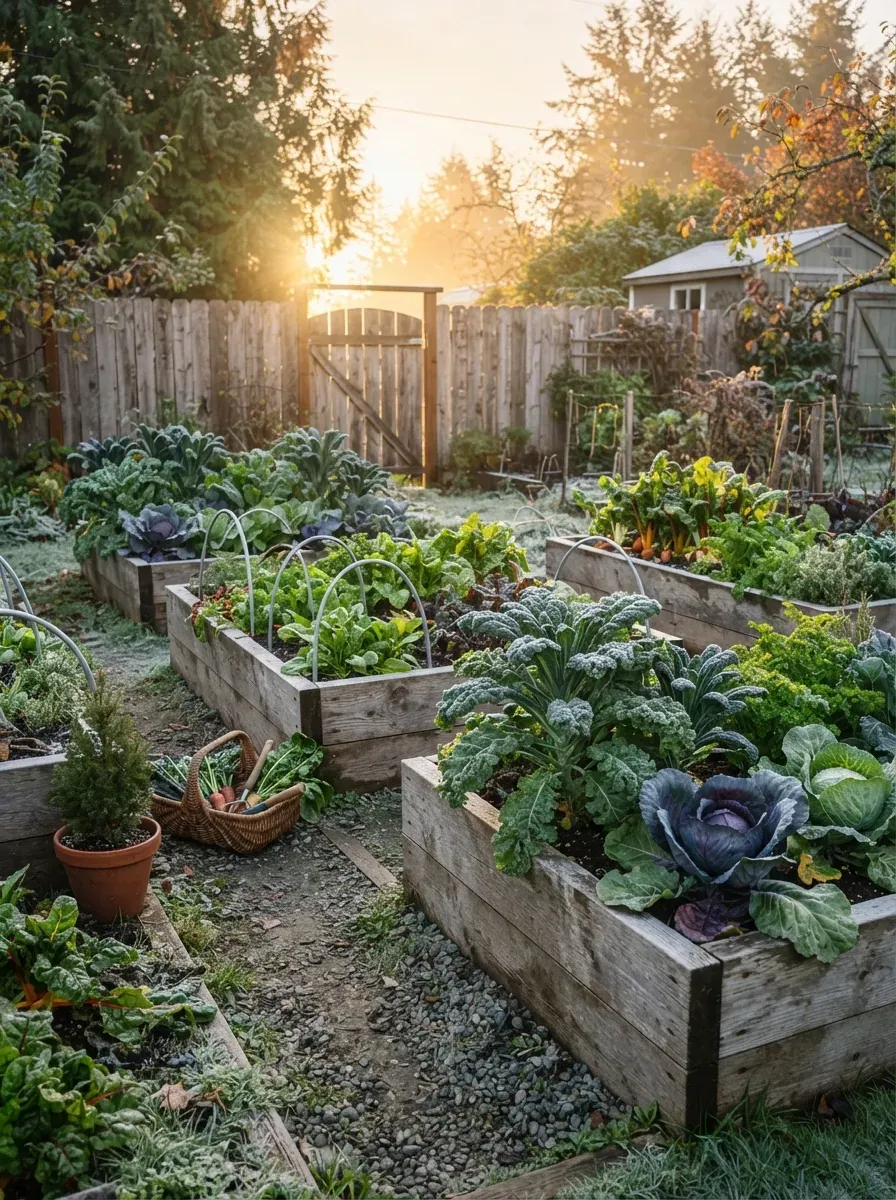
For my final idea, I would focus on simplicity. A combination of evergreen plants, natural stone, gravel, and a few carefully chosen perennials can create a garden that still looks attractive when flowers are not in bloom.
This type of design is especially useful if you want the garden to have year-round character. I prefer repeating the same materials and plant colors throughout the space so the landscape feels calm and connected.
Why You’ll Love It
- Creates beauty beyond the flowering season.
- Combines natural textures and lasting structure.
- Can feel cozy in every season.
My Tips for Planning a Cold Climate Garden
When I plan for colder conditions, I start with the garden itself rather than a list of plants. I look at sunlight, wind exposure, drainage, snow cover, and where cold air may settle. These details can create different growing conditions within the same yard.
I also avoid assuming that every plant needs the same winter protection. Some plants benefit from mulch, while others need excellent drainage and may suffer if they stay too wet. Winter care should always match the specific plant and local climate.
Finally, I like to think about the garden in layers: evergreen structure, hardy perennials, cool-season color, grasses, and practical growing areas. This approach can help the space remain interesting long after the main summer flowers are gone.
Conclusion
These cold climate garden ideas prove that a shorter growing season does not mean you have to settle for a boring outdoor space. With hardy plants, evergreen structure, protected corners, raised beds, mulch, and thoughtful seasonal planting, you can create a garden with color and texture throughout much of the year.
The most important lesson I’ve learned is to work with your climate instead of against it. Choose plants suited to your local conditions, protect vulnerable plants when needed, and build your garden around the sun, wind, soil, and seasons you actually have.
And if you also want to add a warmer, rustic style to your landscape, explore my previous article, Vineyard Garden Ideas: 11 Beautiful Ways to Create a Wine Country-Inspired Outdoor Space for more inspiration on combining natural materials, productive planting, and beautiful garden design.