
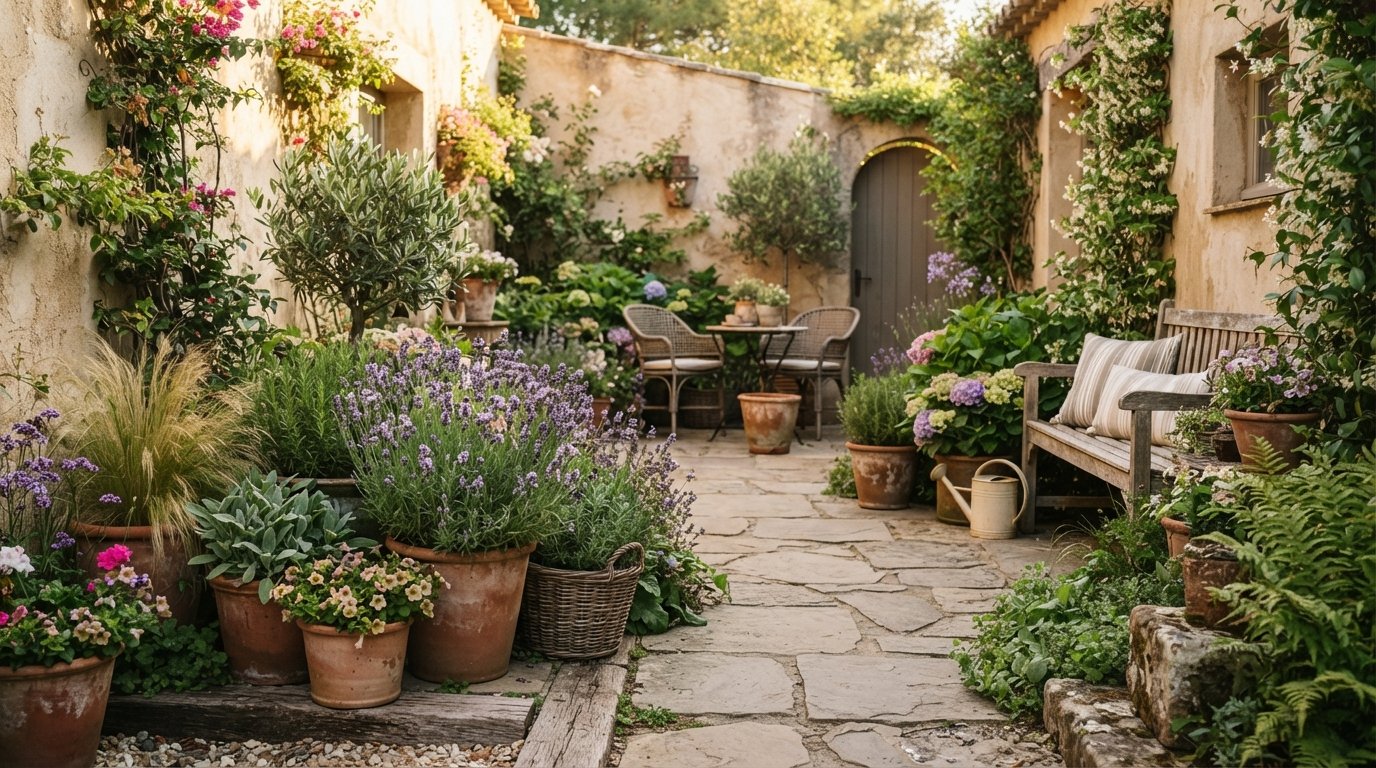
Gardening in a windy area can be challenging, but it doesn’t mean you have to give up on having a beautiful outdoor space. Strong winds can damage delicate plants, dry out soil quickly, break stems, and even knock over containers. The good news is that thoughtful garden design can make a big difference.
The key is to work with the conditions instead of fighting them. Choose sturdy plants, protect vulnerable areas, improve soil moisture, and create barriers that slow the wind rather than completely blocking it. These garden ideas for windy areas can help you build a garden that is both attractive and better prepared for breezy weather.
1. Create a Living Windbreak with Shrubs
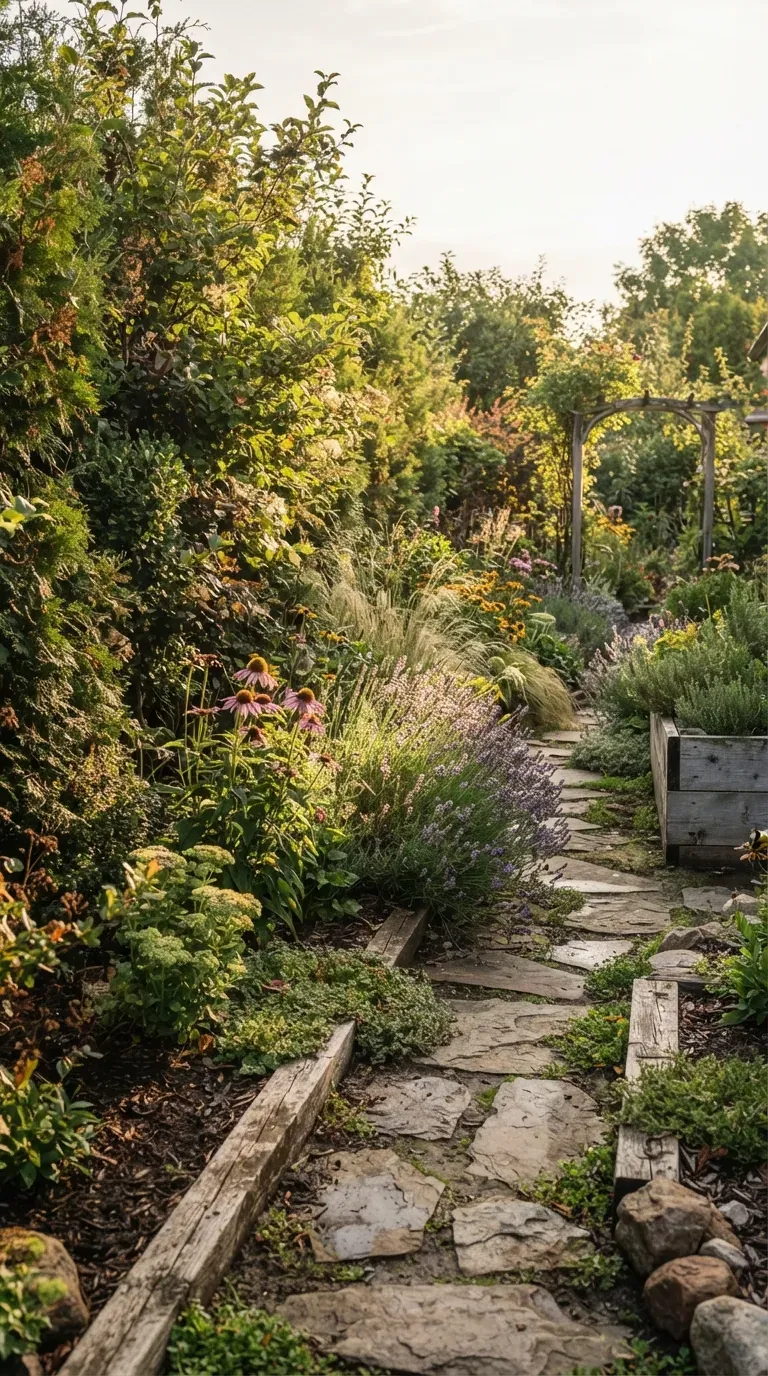
A living windbreak can be one of the most attractive ways to reduce wind exposure. Dense shrubs planted along the side of your garden can slow down strong air currents before they reach more delicate plants.
Rather than creating a completely solid wall, use a layered planting design. A combination of shrubs, smaller plants, and grasses can help filter the wind while also adding year-round structure.
Why You’ll Love It
- Adds natural protection without looking like a barrier.
- Creates privacy and garden structure.
- Provides habitat for birds and beneficial wildlife.
2. Plant Low-Growing Perennials
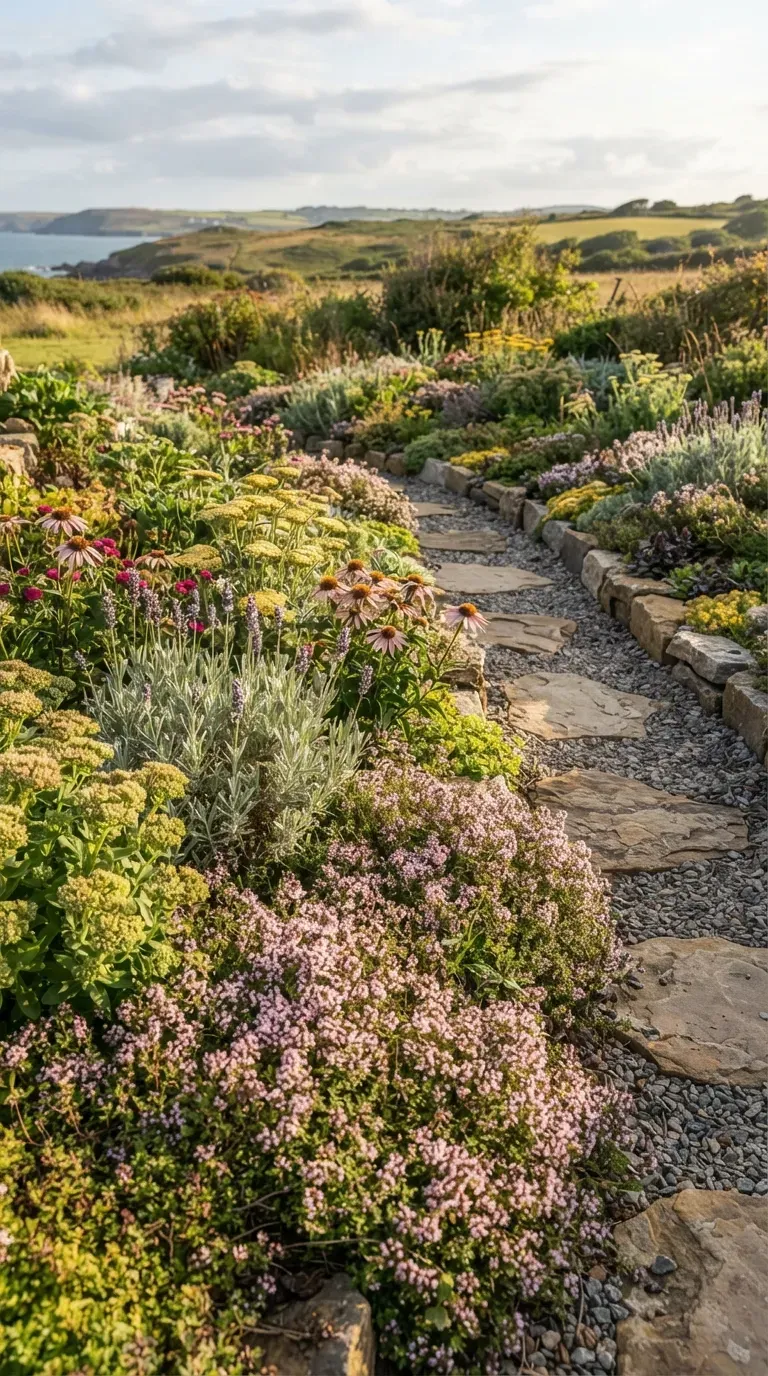
Low-growing plants are often easier to protect from strong winds because they stay closer to the ground. They can also create a soft, colorful carpet that looks beautiful around pathways and garden edges.
Choose sturdy perennials suited to your local climate rather than selecting plants based only on appearance. Once established, many compact plants can handle exposed conditions better than tall, delicate varieties.
Why You’ll Love It
- Keeps plants closer to natural shelter.
- Creates attractive garden borders.
- Works well in exposed locations.
3. Use a Slatted Wooden Wind Screen
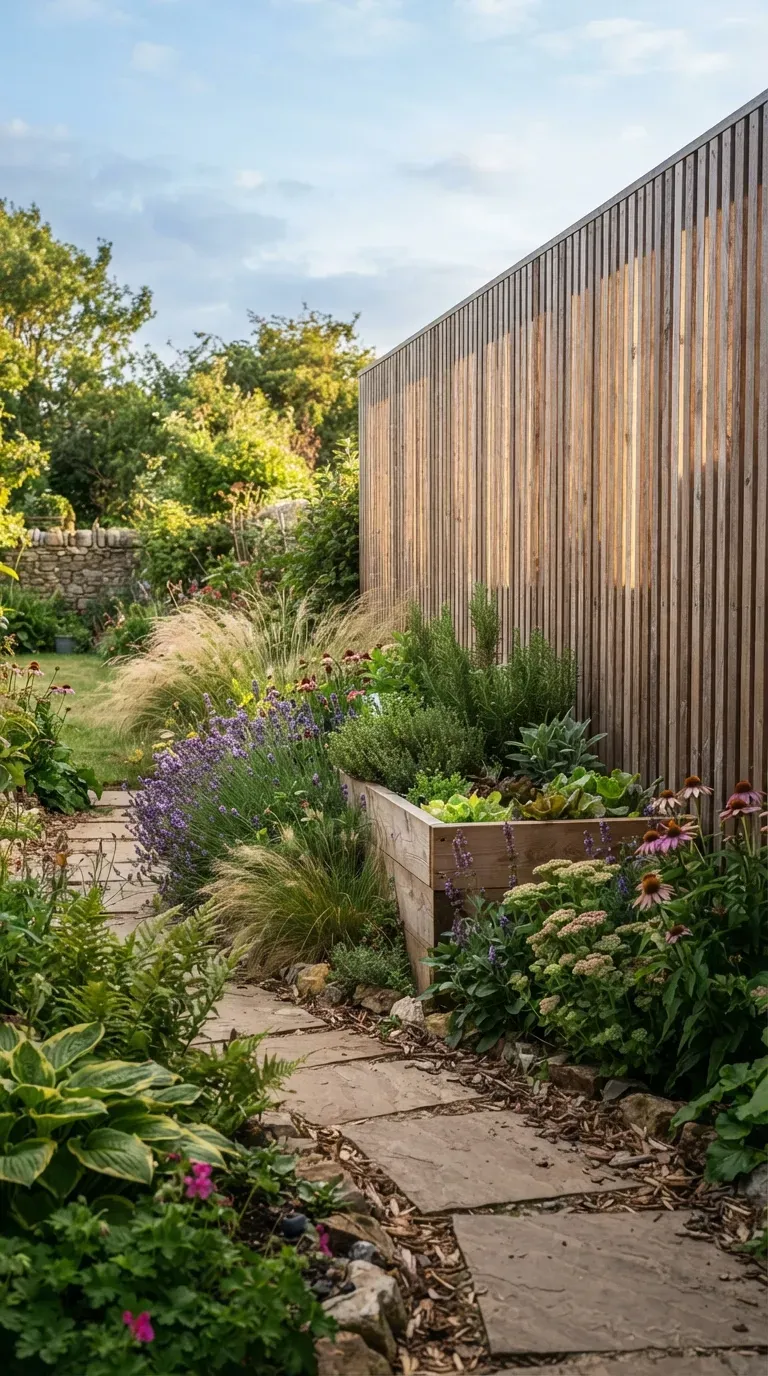
A slatted screen can provide protection while still allowing some air to pass through. This is important because a completely solid barrier can create strong turbulence around its edges.
Choose a sturdy material and make sure the structure is properly anchored for your local wind conditions. The wooden screen can also double as an attractive backdrop for plants.
Why You’ll Love It
- Combines function with attractive garden design.
- Allows filtered airflow.
- Provides a useful backdrop for plants.
4. Grow Ornamental Grasses
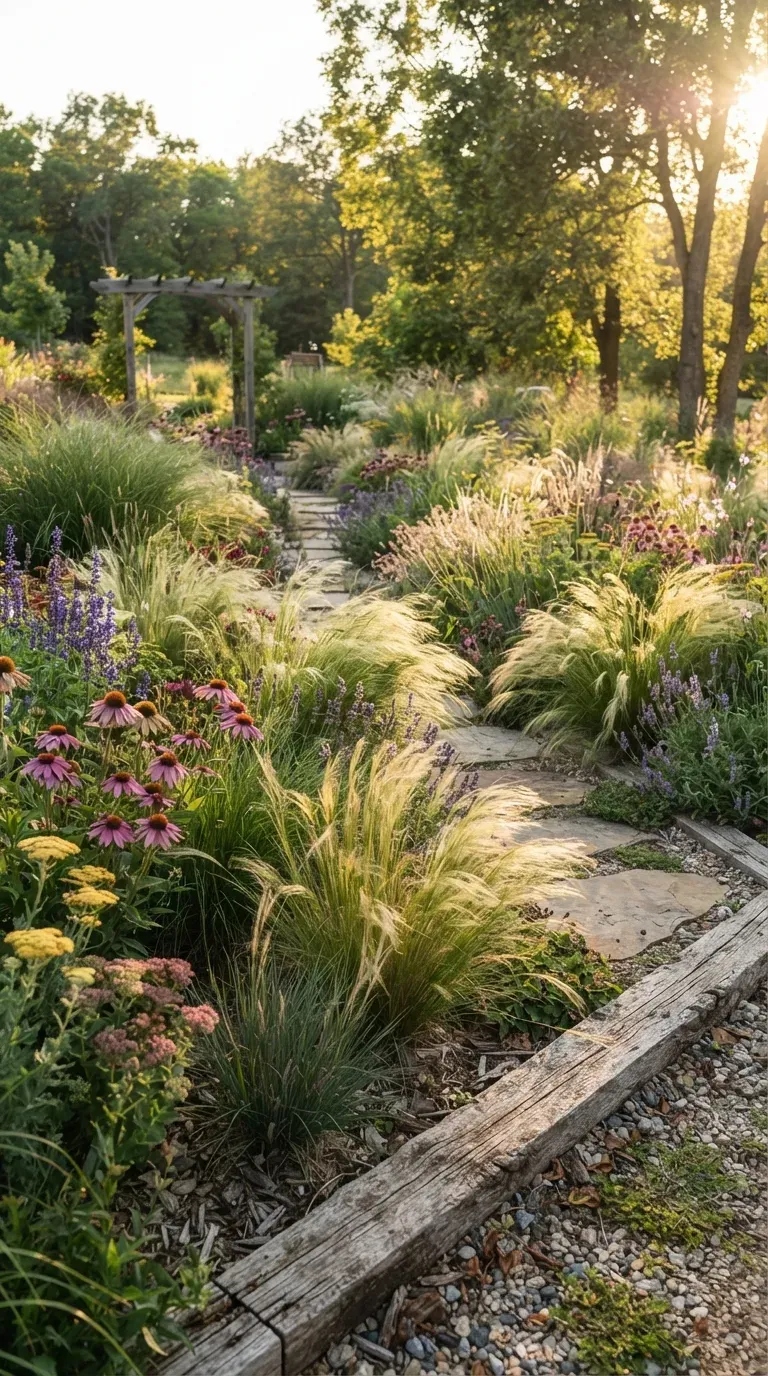
Ornamental grasses can add movement to a windy garden while giving the landscape a natural, relaxed appearance. Their flexible stems can move with the breeze rather than presenting a rigid surface.
Use several clumps together for a fuller effect. Choose varieties according to your local climate and available space, as mature grass sizes can vary significantly.
Why You’ll Love It
- Adds movement and texture to the garden.
- Creates a natural wind-friendly landscape.
- Provides interest across multiple seasons.
5. Build Raised Beds with Strong Supports
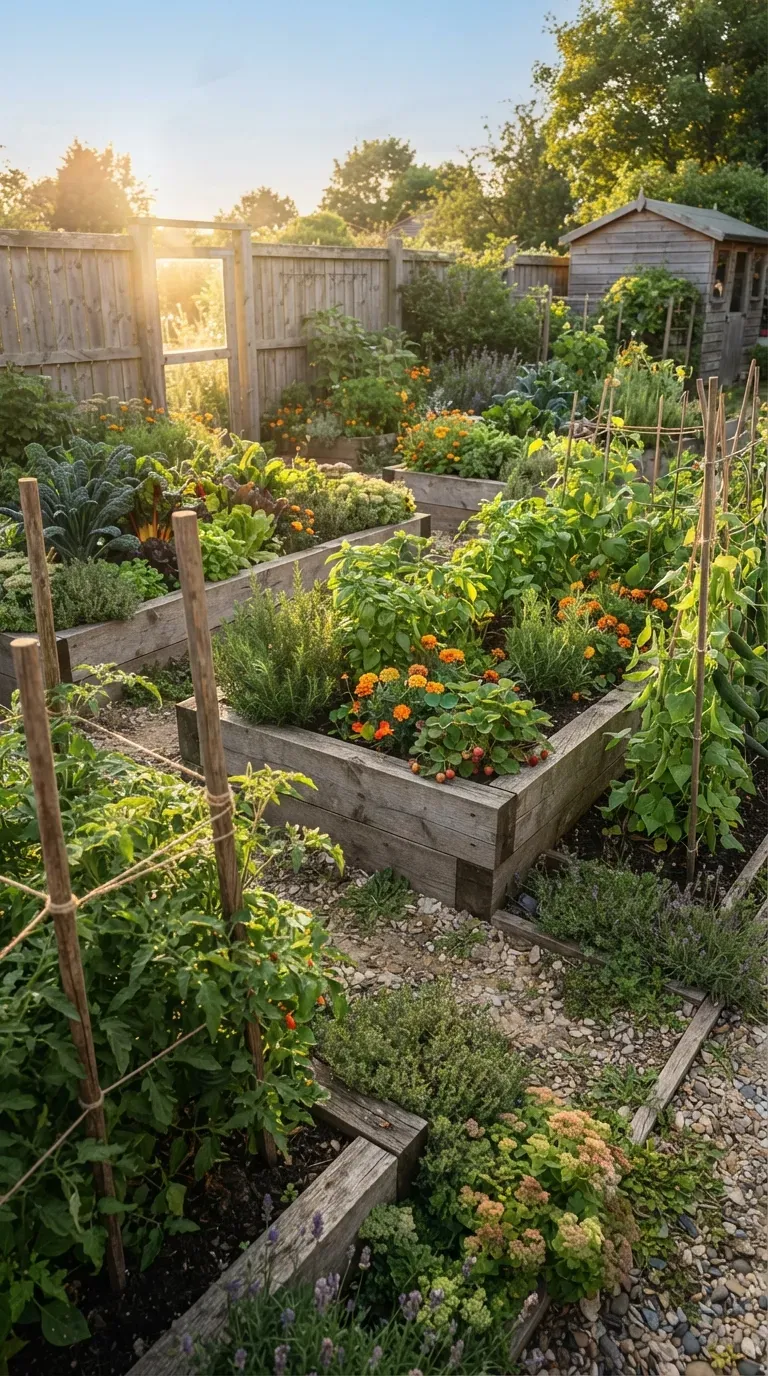
Raised beds can work well in windy gardens, but the beds themselves need to be stable. Secure the frame properly and avoid very tall structures that could become more exposed to strong gusts.
Plants may also need additional support. Stakes, cages, and low trellises can help keep stems upright when wind picks up.
Why You’ll Love It
- Keeps edible plants organized.
- Makes plant support easier to manage.
- Creates a neat and productive garden layout.
6. Create a Sheltered Courtyard Garden
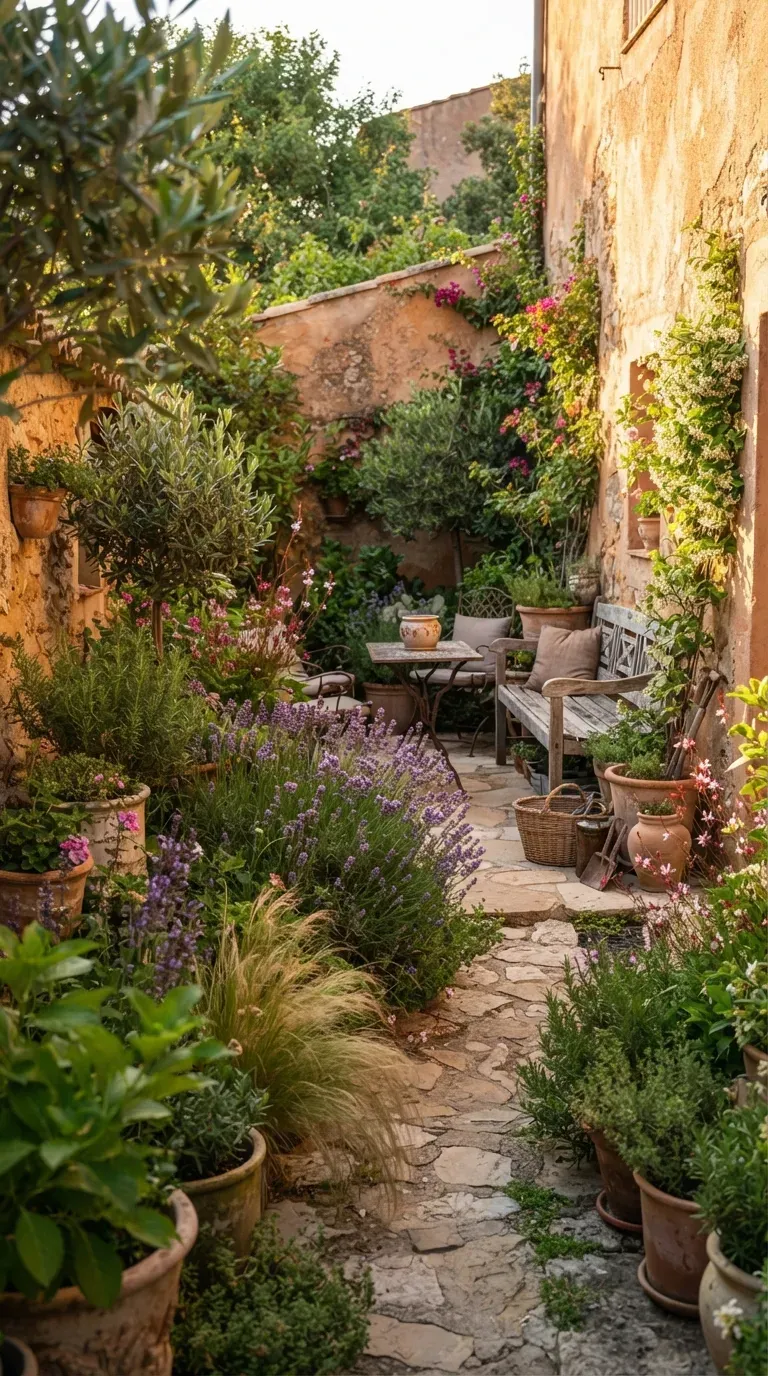
If your property has walls or fencing that naturally shelter part of the yard, use that area for more delicate plants. A courtyard can create a microclimate that is noticeably calmer than an exposed garden.
Arrange pots and planting beds close to the protected walls while keeping enough space for healthy growth. This is also a great opportunity to create a cozy outdoor sitting area.
Why You’ll Love It
- Uses existing structures for protection.
- Creates a comfortable outdoor space.
- Perfect for smaller gardens.
7. Plant Trees in Groups
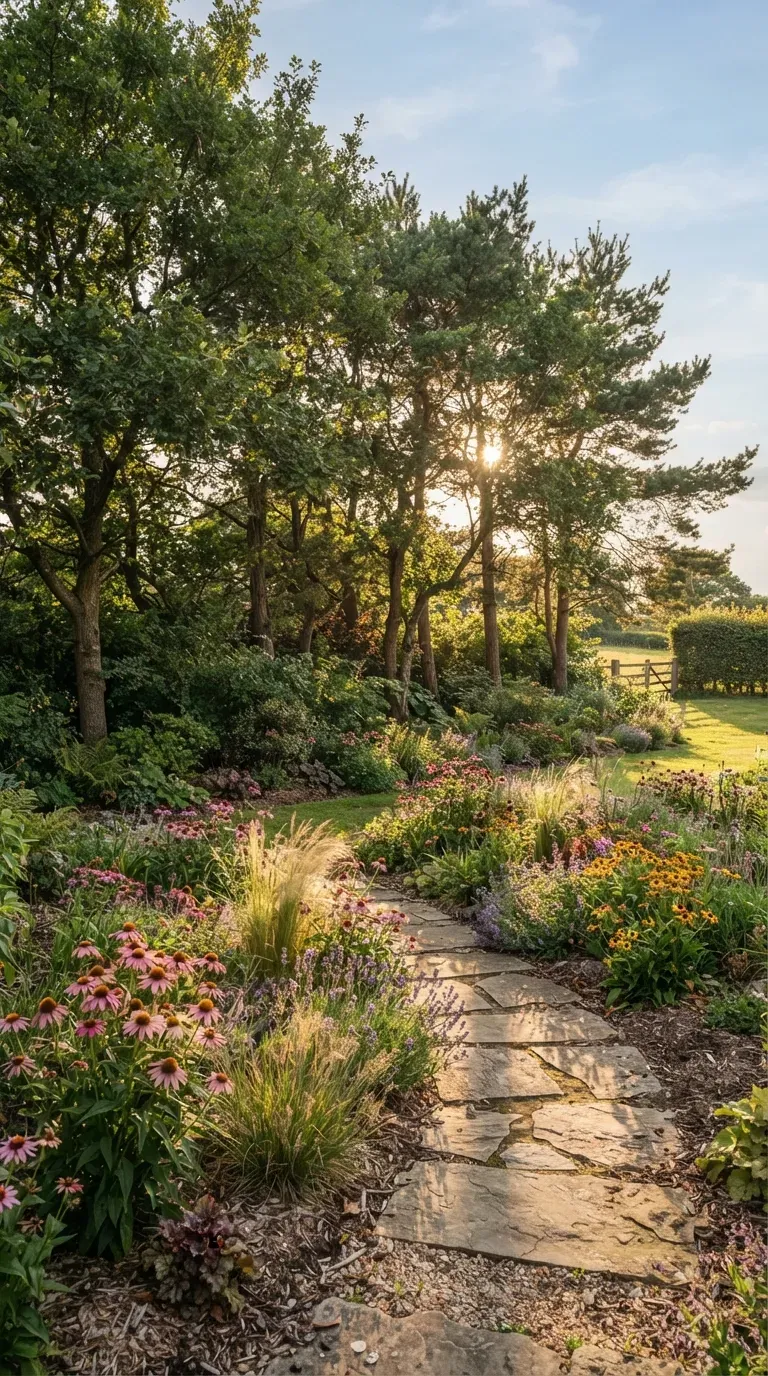
Trees can provide long-term wind protection when they’re established in suitable locations. Instead of planting a single row, a staggered group can create a more natural wind-filtering effect.
Choose tree species carefully based on mature size, root behavior, climate, and site conditions. Give each tree enough room to develop a strong root system and canopy.
Why You’ll Love It
- Provides long-term garden structure.
- Creates valuable wildlife habitat.
- Can protect a larger garden area.
8. Use Containers in Sheltered Spots
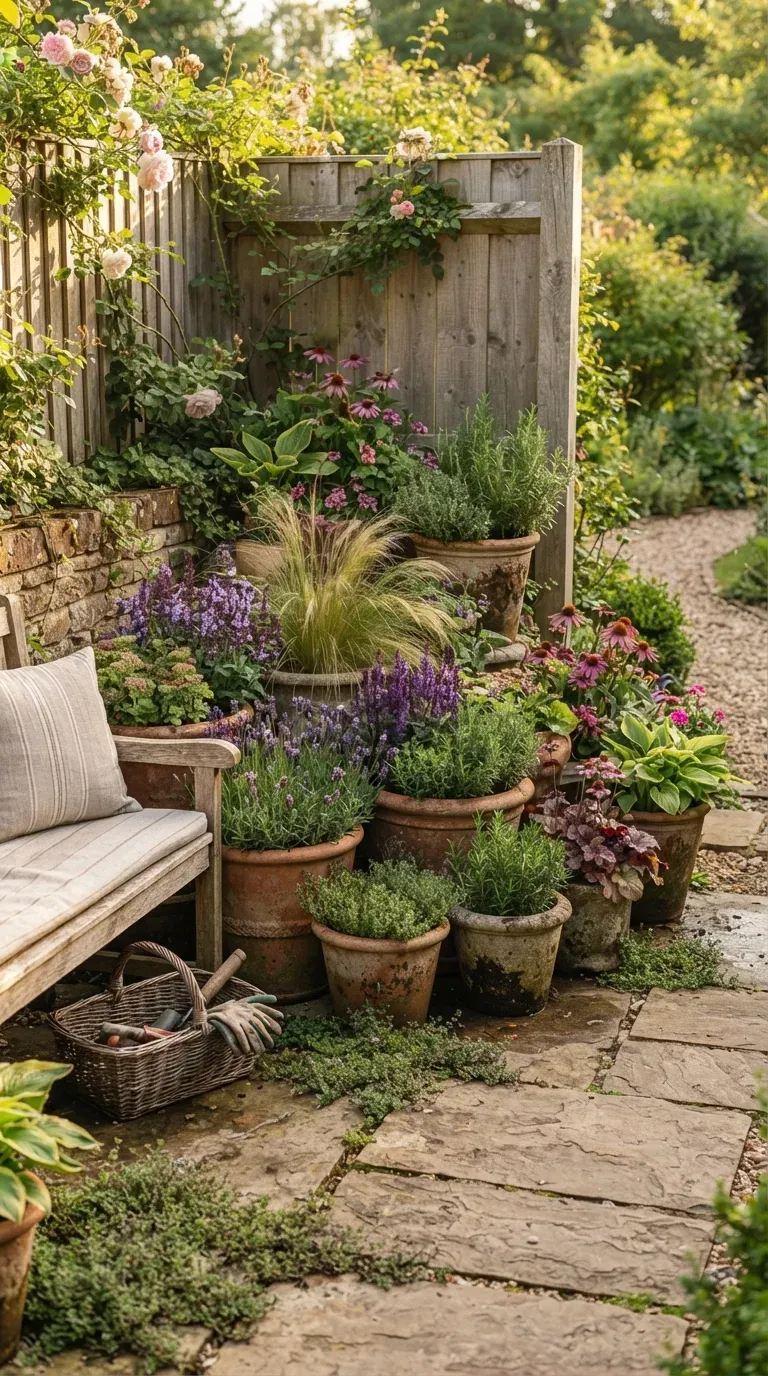
Containers can be useful in windy areas because you can move them into more sheltered positions when necessary. Heavy pots are generally more stable than lightweight containers.
Group several containers together instead of placing them individually in exposed areas. This can make the arrangement feel more intentional while providing some protection between plants.
Why You’ll Love It
- Containers can be moved when needed.
- Makes small-space gardening easier.
- Adds flexibility to your garden design.
9. Grow a Wind-Resistant Herb Garden
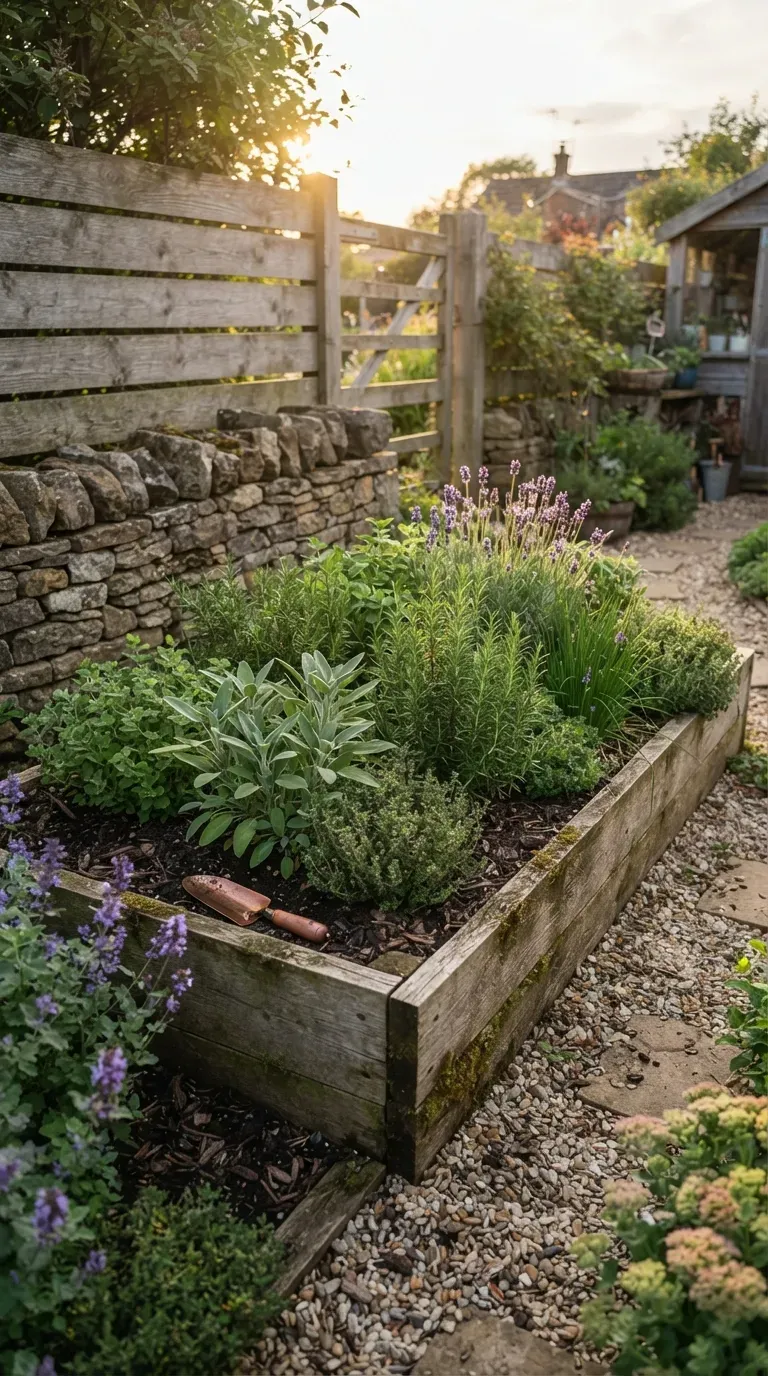
Many herbs naturally stay relatively compact, making them useful for exposed garden areas. A dedicated herb bed can also be positioned near a wall or other structure for additional shelter.
Look for herbs that are well suited to your local climate and avoid overcrowding them. Good drainage is especially important because wet soil combined with poor airflow can create other plant problems.
Why You’ll Love It
- Gives you useful edible plants.
- Works well in compact spaces.
- Adds fragrance and texture to the garden.
10. Make a Gravel Garden
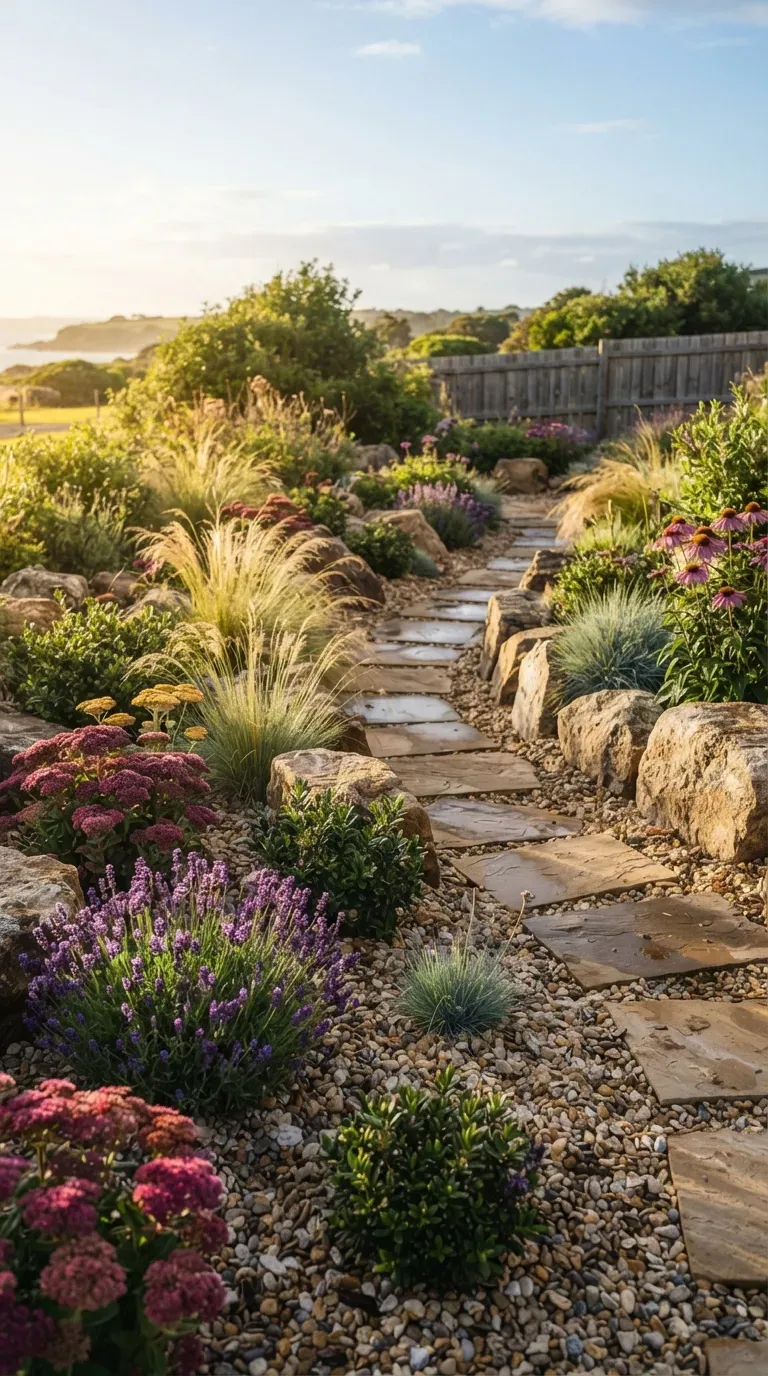
A gravel garden can be a practical option when exposed conditions make traditional lawns and flower beds difficult. Gravel helps create a clean, structured landscape while allowing you to focus on plants suited to your conditions.
Use larger stones as accents and group plants in natural clusters. Choose plants based on your local climate, drainage, and sunlight rather than assuming every drought-tolerant plant will perform well in your specific location.
Why You’ll Love It
- Can be easier to maintain than a large lawn.
- Works well with sturdy plants.
- Creates a clean modern landscape.
11. Add Groundcover Around Exposed Areas

Exposed soil can dry out quickly in windy weather. Groundcover plants can help create a living layer across the surface while adding color and texture.
Choose groundcovers that are appropriate for your climate and site. Give them time to establish before expecting them to fill the entire area.
Why You’ll Love It
- Adds living coverage to bare soil.
- Creates attractive low-maintenance areas.
- Helps soften hard garden edges.
12. Create a Protected Vegetable Garden
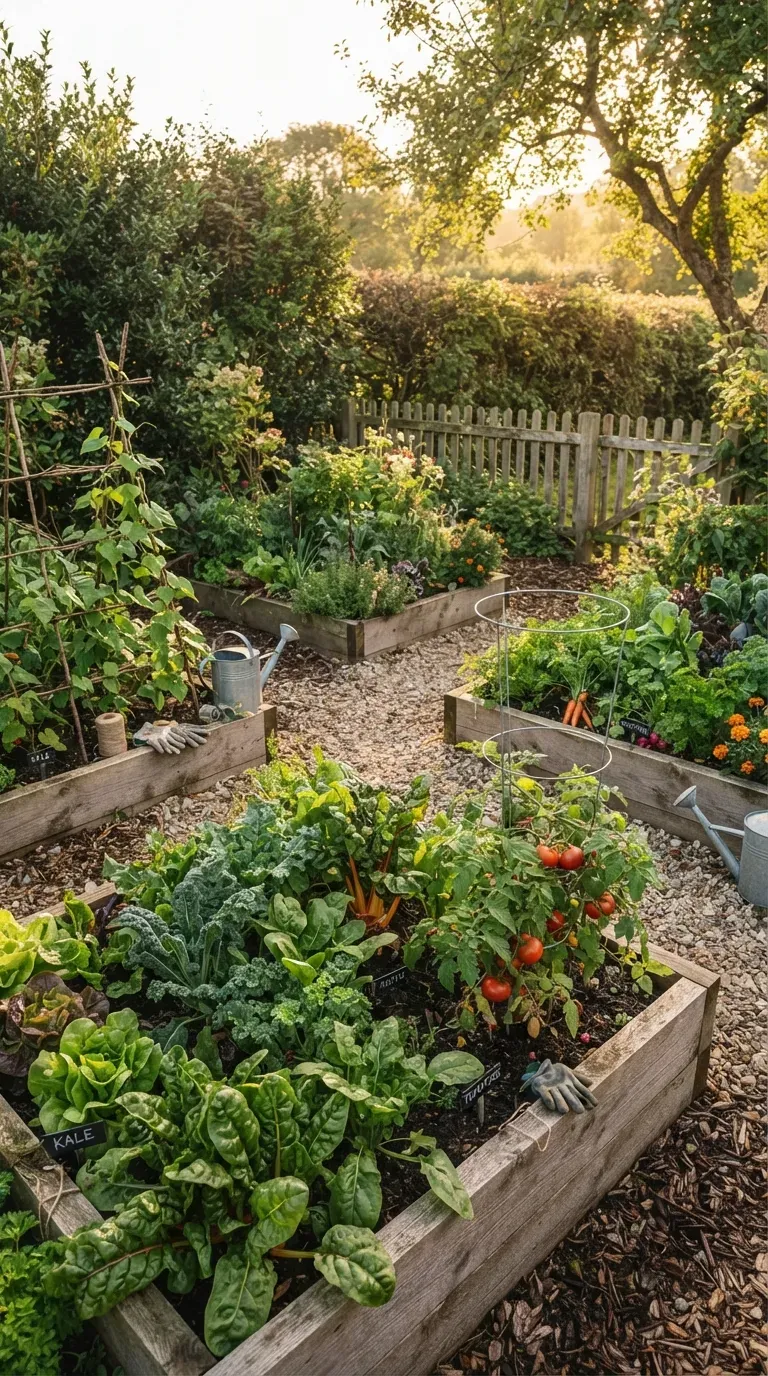
Vegetable plants can be particularly vulnerable to strong winds because large leaves and tall stems can catch the air. A protected vegetable garden can reduce exposure while keeping the growing area accessible.
Use sturdy supports for plants that need them and avoid placing tall crops in the most exposed part of the garden. A wind-filtering screen or hedge on the prevailing-wind side can provide additional protection.
Why You’ll Love It
- Helps protect valuable edible crops.
- Keeps vegetables organized.
- Makes plant support easier.
13. Plant in Dense, Layered Groups

A densely planted garden can help reduce the amount of exposed space between plants. Layering shrubs, perennials, grasses, and groundcovers creates a more sheltered planting environment as the garden matures.
Avoid planting too tightly at the beginning, however. Plants need enough room for healthy growth and good air circulation, especially in humid climates.
Why You’ll Love It
- Creates a lush natural appearance.
- Makes an exposed garden feel more sheltered.
- Adds multiple layers of texture.
14. Build a Wind-Protected Garden Entrance
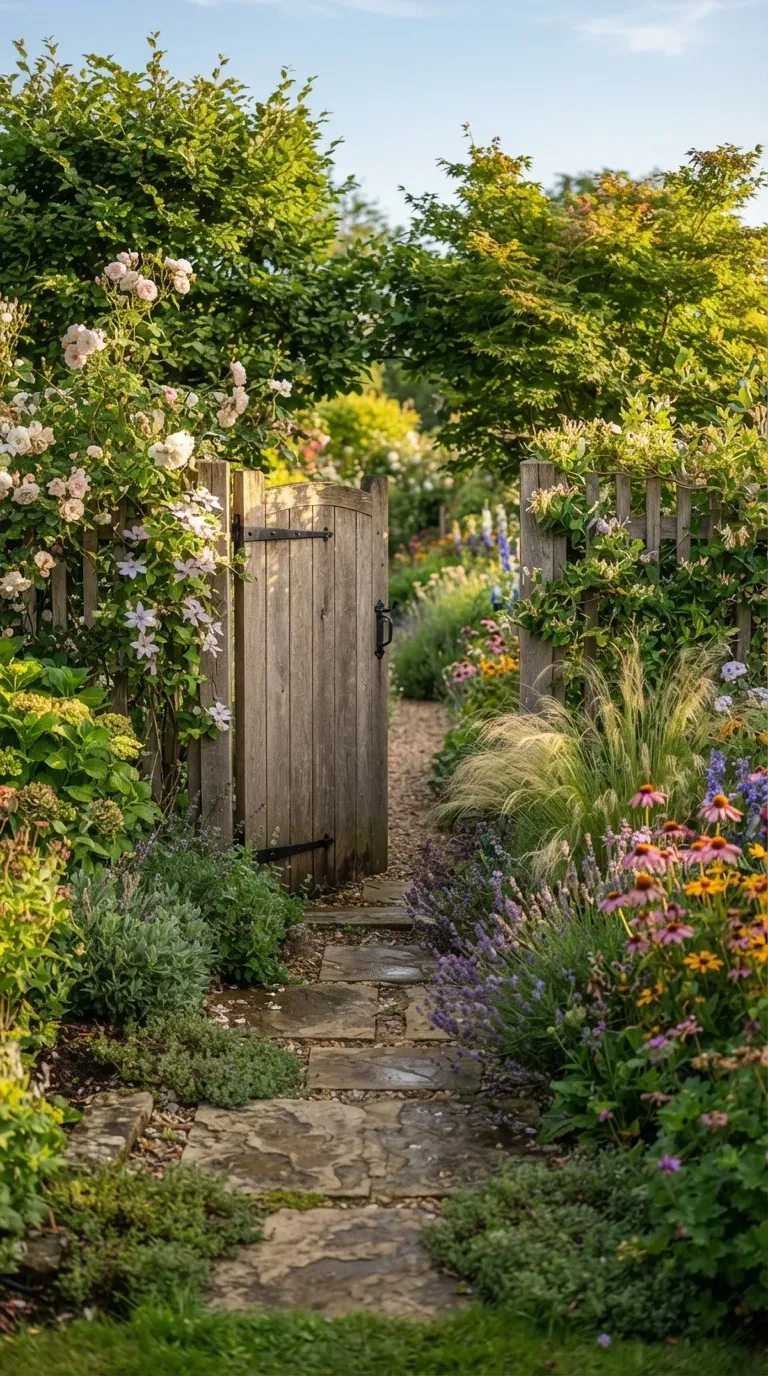
A garden entrance can be more than a walkway. With shrubs, fencing, and sturdy plants, it can become a transition zone that reduces exposure as you enter the garden.
Choose plants that tolerate your conditions and keep paths clear for easy movement. A well-designed entrance can also make the garden feel more established and inviting.
Why You’ll Love It
- Creates a welcoming first impression.
- Adds structure to the landscape.
- Can provide a more sheltered transition into the garden.
15. Combine Windbreaks with a Cozy Seating Area
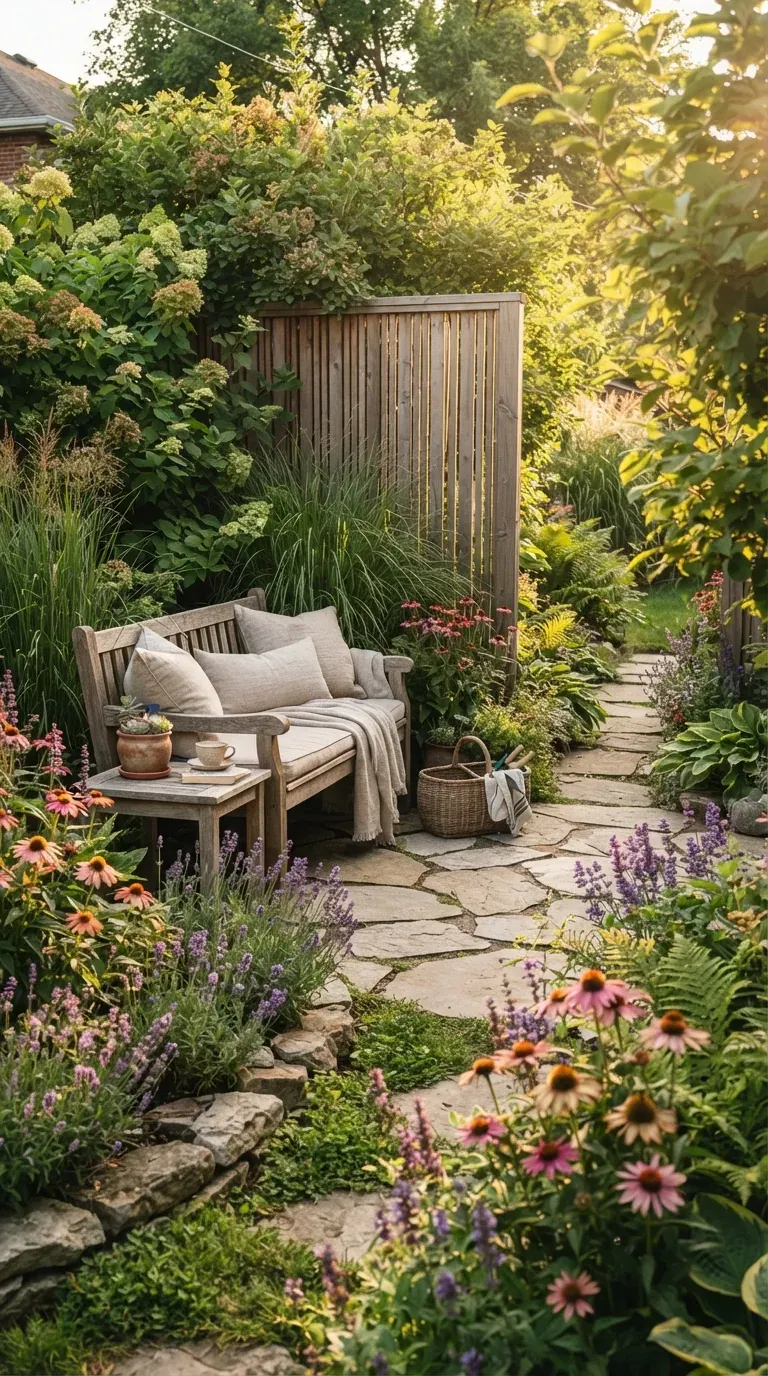
If you want to actually enjoy your windy garden, create a protected seating area. A combination of plants and a partially open screen can make an exposed patio feel much more comfortable.
Position seating where existing walls, hedges, or fences already provide some shelter. Add sturdy containers and hardy plants to soften the space without filling it with fragile decorations.
Why You’ll Love It
- Creates a comfortable outdoor retreat.
- Combines garden design with practical protection.
- Makes better use of an exposed backyard.
Conclusion
Creating a beautiful garden in a windy area is mostly about smart planning. Instead of trying to stop every gust, use windbreaks, layered planting, sturdy plants, groundcovers, and sheltered garden zones to reduce exposure and help your plants cope with the conditions.
Before choosing plants, pay attention to your local climate, prevailing wind direction, soil, drainage, and available sunlight. Planting the right species in the right location is usually more effective than trying to force delicate plants to survive in an unsuitable spot.
Start with one protected area, such as a raised bed or sheltered corner, and gradually build outward. Over time, your garden can become more established, resilient, and beautiful—even in a windy location.