
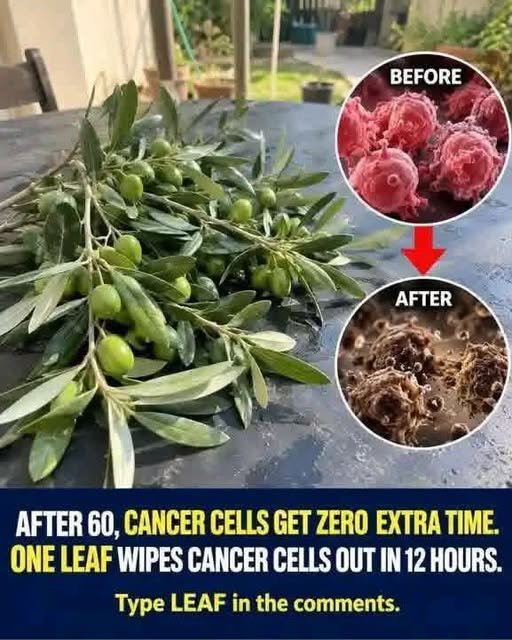
Fresh Olive Leaf Tea – A Simple Herbal Tea Recipe
Fresh olive leaves may not be the first ingredient that comes to mind when preparing a homemade drink, but they have a long history of traditional use. With their mild, earthy, slightly bitter flavor, olive leaves can be steeped in hot water to make a simple herbal infusion.
If you enjoy exploring traditional herbal drinks and making something different at home, this Fresh Olive Leaf Tea recipe is worth learning about. It requires just a few ingredients, takes only minutes to prepare, and can be enjoyed warm with a slice of lemon.
Olive leaves contain naturally occurring plant compounds, including oleuropein, which has attracted scientific interest. However, research into olive leaf extracts is still developing, and laboratory findings should not be confused with proven health benefits in people.
An important note about cancer: Social media posts sometimes claim that olive leaves destroy cancer cells within hours. This is not an established medical fact. Olive leaf extract has not been proven to prevent or treat cancer in humans, according to Memorial Sloan Kettering Cancer Center. <Cite refs={[“turn437938search0″,”turn437938search7”]}/> This recipe is for a traditional herbal beverage, not a cancer treatment.
Why You Might Enjoy This Olive Leaf Tea
- Simple preparation: The basic recipe requires only olive leaves and water.
- Naturally caffeine-free: Pure olive leaf tea contains no caffeine.
- Easy to customize: Lemon, mint, or a small amount of honey can add extra flavor.
- A traditional herbal infusion: Olive leaves have a history of use in herbal preparations.
- Enjoyable warm or chilled: You can serve the tea freshly brewed or allow it to cool for a refreshing drink.
Ingredients You’ll Need
This recipe makes approximately 2 small cups.
For the tea
- 4–6 fresh olive leaves from a correctly identified olive tree (Olea europaea), or use a commercially prepared olive leaf tea according to its package instructions
- 2 cups (480 ml) drinking water
- 1 thin slice of lemon, optional
- 1 teaspoon honey, optional
- 2–3 fresh mint leaves, optional
Ingredient tip: Use clean leaves from a tree that has not been treated with pesticides or other chemicals unsuitable for food preparation. Wash them thoroughly under running water. If you are unsure whether a plant is an olive tree, do not use its leaves.
How to Make Fresh Olive Leaf Tea
Step 1: Prepare the leaves
Rinse the olive leaves thoroughly under running water to remove dust and surface dirt.
Discard any leaves that look moldy, damaged, or contaminated. Gently pat the remaining leaves dry with a clean towel.
Step 2: Bring the water to a boil
Pour 2 cups of drinking water into a small saucepan and bring it to a boil.
Once the water boils, reduce the heat slightly before adding the leaves.
Step 3: Add the olive leaves
Place the washed leaves into the hot water.
Allow them to steep gently for approximately 5–10 minutes. A longer steep may produce a stronger, more bitter flavor, so adjust the time according to your taste.
There is no established home-brewing quantity that guarantees a medicinal effect, and this preparation should not be used to treat a health condition.
Step 4: Strain the tea
Remove the saucepan from the heat.
Pour the tea through a fine-mesh strainer into two cups, discarding the leaves.
Allow the tea to cool to a comfortable drinking temperature before serving.
Step 5: Add optional flavorings
If desired, add a thin slice of lemon, a fresh mint leaf, or a little honey.
Lemon adds brightness, mint gives the tea a fresh aroma, and honey softens its natural bitterness.
Serve warm and enjoy slowly.
Tips for Better-Tasting Olive Leaf Tea
- Start with a mild infusion: Olive leaves can taste bitter, so avoid steeping for too long.
- Use clean, correctly identified leaves: Plant identification and safe sourcing matter.
- Adjust the flavor rather than the medicinal strength: Lemon and mint can make the drink more pleasant.
- Avoid excessive sweetener: A small amount of honey is enough if you prefer a sweeter taste.
- Prepare fresh when possible: Brew only what you plan to drink rather than leaving the tea at room temperature for extended periods.
Delicious Variations
1. Lemon Olive Leaf Tea
Add a slice of lemon after straining. The citrus flavor balances the earthy taste of the infusion.
2. Mint Olive Leaf Tea
Add two or three fresh mint leaves while steeping. Strain before serving for a refreshing herbal aroma.
3. Honey Olive Leaf Tea
Stir a teaspoon of honey into the warm tea. Let the tea cool slightly first so it is comfortable to drink.
4. Chilled Olive Leaf Tea
Prepare the tea, strain it, and allow it to cool. Refrigerate promptly in a covered container and serve chilled with lemon.
Keep refrigerated and consume within 24 hours for best quality.
Nutritional Information
The following values are approximate for one serving, assuming the recipe makes two cups and contains no honey or other additions.
| Nutrient | Approx. per cup |
|---|---|
| Calories | 0–2 kcal |
| Protein | 0 g |
| Total carbohydrates | Less than 1 g |
| Total sugars | 0 g |
| Total fat | 0 g |
| Saturated fat | 0 g |
| Dietary fiber | 0 g |
| Sodium | Less than 5 mg |
| Potassium | Trace amounts |
These estimates are for a strained infusion. The nutritional content varies with the leaves and brewing method. Adding honey will increase the calorie and sugar content.
Safety Considerations
Although olive leaves have traditional uses, herbal preparations are not automatically safe for everyone.
- Blood pressure medication: Olive leaf products may affect blood pressure. Speak with your doctor or pharmacist before using them regularly.
- Diabetes medication: Olive leaf extracts may affect blood sugar levels, so professional advice is important if you take glucose-lowering medication.
- Pregnancy and breastfeeding: Medicinal use is not recommended because adequate safety information is lacking.
- Heart or kidney conditions: People who need to restrict fluid intake should seek medical advice before using medicinal olive leaf preparations. <Cite refs={[“turn437938search0″,”turn437938search1”]}/>
Do not use olive leaf tea or supplements instead of prescribed medication. If you or someone you care about has cancer, discuss any herbal products with the treating oncology team before use.
Frequently Asked Questions
1. What does olive leaf tea taste like?
It generally has an earthy, herbal flavor with some bitterness. Lemon, mint, or a little honey can make it more pleasant.
2. Can I use dried olive leaves?
Yes, if they are sold specifically for herbal tea and prepared according to the product instructions. Dried leaves may produce a different flavor and strength from fresh leaves.
3. Does olive leaf tea cure cancer?
No. Olive leaf tea has not been proven to cure cancer or destroy cancer cells in humans. Some laboratory studies have investigated compounds found in olive leaves, but these findings do not establish that drinking the tea treats cancer. <Cite refs={[“turn437938search0″,”turn437938search3”]}/>
4. Can I drink olive leaf tea every day?
There is no universally established daily amount of homemade fresh olive leaf tea that is appropriate for everyone. Ask a healthcare professional before making it a regular habit, particularly if you take medication or have an existing health condition.
5. Can I add ginger to olive leaf tea?
You can add a thin slice of fresh ginger for a warmer, spicier flavor. This changes the taste but does not turn the beverage into a proven treatment for cancer or another disease.
Final Thoughts
Fresh Olive Leaf Tea is a simple way to explore a traditional herbal infusion using a few basic ingredients. Its earthy flavor pairs nicely with lemon, mint, or a touch of honey, making it easy to adapt to your preferences.
The most important thing to remember is that traditional use and promising laboratory research are not the same as proven medical treatment. Enjoy herbal drinks for their flavor, and rely on qualified healthcare professionals for advice about treating illness.
Have you ever tried olive leaf tea, or would you prefer to make it with lemon, mint, or ginger?