
Hibiscus Tea Recipe: A Refreshing, Tangy Herbal Drink You Can Make at Home
There is something special about a warm cup of herbal tea at the end of a long day. Sometimes, you want a drink that feels comforting and relaxing without being too heavy, and hibiscus tea is a lovely choice. With its deep ruby-red color, refreshing tang, and naturally fruity flavor, this beautiful herbal drink is as enjoyable to look at as it is to sip.
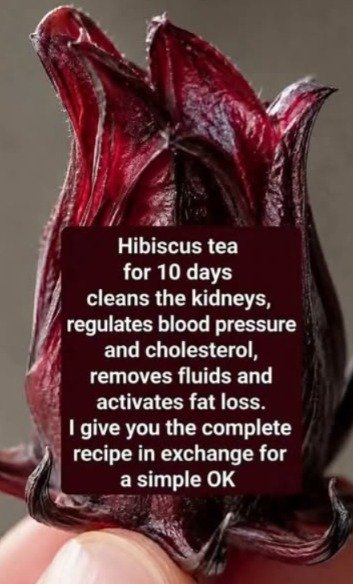
The first thing you may notice about hibiscus tea is its gorgeous color. Once the dried hibiscus flowers steep in hot water, they release a rich red hue that makes the tea look almost like a jewel in your cup. The flavor is pleasantly tart, a little like cranberries, and can be made sweeter with honey or sugar if you prefer a milder taste.
I can easily imagine making a pot of hibiscus tea on a quiet weekend afternoon, especially when I want something different from my usual cup of tea. It is also a wonderful drink to share with family or friends. Serve it warm on a chilly evening or pour it over ice on a hot summer afternoon for a refreshing homemade beverage.
The best part? You only need a few simple ingredients, and the recipe is incredibly easy to prepare.
Why You’ll Love This Hibiscus Tea Recipe
- Beautiful natural color: Dried hibiscus flowers create a striking ruby-red drink without artificial coloring.
- Simple ingredients: You need only hibiscus flowers, water, and optional sweetener.
- Naturally caffeine-free: Pure hibiscus tea contains no caffeine, making it an alternative to regular black tea or coffee.
- Enjoy it hot or cold: The same recipe works beautifully as a warm herbal tea or an iced summer drink.
- Easy to customize: Add lemon, fresh ginger, cinnamon, mint, or orange slices for extra flavor.
- A refreshing alternative: Its naturally tangy flavor makes it enjoyable without sweetener, too.
Ingredients You’ll Need
This recipe makes approximately 2 cups of hibiscus tea.
- 2 cups (480 ml) water
- 2 teaspoons dried hibiscus flowers, food-grade
- 1–2 teaspoons honey or sugar, optional
- 1 teaspoon fresh lemon juice, optional
- A few fresh mint leaves, optional
A little tip: Start with a small amount of dried hibiscus flowers if you’re new to this tea. Hibiscus has a naturally tart flavor, and you can always steep it a little longer or add more flowers next time if you prefer a stronger taste.
How to Make Hibiscus Tea
Step 1: Heat the water
Pour 2 cups of water into a small saucepan and bring it to a boil.
Once the water is boiling, turn off the heat and let it sit for about 30 seconds. You want it hot enough to extract the color and flavor from the flowers without needing to boil them continuously.
Step 2: Add the hibiscus flowers
Add the dried hibiscus flowers to the hot water and stir gently.
Almost immediately, the water will begin changing color. As the flowers steep, the tea develops its beautiful red appearance and characteristic fruity, tangy aroma.
Step 3: Let the tea steep
Cover the saucepan and let the flowers steep for 5–10 minutes.
For a lighter flavor, steep for around 5 minutes. If you enjoy a stronger, more tart tea, leave it for closer to 10 minutes.
Avoid steeping for too long if you prefer a smoother taste, as the tea can become intensely tart.
Step 4: Strain the tea
Pour the tea through a fine-mesh strainer into your favorite cup or teapot, removing all the flowers.
At this point, you can enjoy it plain or add a little honey or sugar to balance the natural tartness.
Step 5: Add your favorite flavors
Stir in a teaspoon of fresh lemon juice if you like a brighter citrus flavor. You can also add fresh mint leaves or a thin slice of ginger.
Taste the tea before adding more sweetener. Hibiscus has a wonderful flavor on its own, and a small amount of honey is often enough if you prefer it sweeter.
Step 6: Serve and enjoy
Serve the tea warm for a soothing herbal drink, or allow it to cool before pouring it over ice.
For an extra refreshing version, garnish your glass with mint leaves and a lemon slice. It makes a lovely drink for a relaxed afternoon or a summer gathering.
How to Make Iced Hibiscus Tea
If you enjoy cold drinks, hibiscus tea is especially delicious when served over ice.
- Prepare the tea using the instructions above.
- Allow it to cool to room temperature.
- Refrigerate until thoroughly chilled.
- Fill a glass with ice cubes.
- Pour the chilled tea over the ice.
- Add lemon juice, fresh mint, or a little honey if desired.
You can also combine chilled hibiscus tea with sparkling water for a lightly fizzy, refreshing drink. Keep in mind that ice will dilute the flavor, so you may prefer to prepare a slightly stronger batch.
Tips for the Best Hibiscus Tea
Choose food-grade hibiscus flowers. Make sure the flowers are intended for consumption and come from a reliable supplier.
Adjust the steeping time. Five minutes produces a milder drink, while 10 minutes creates a stronger, more tart flavor.
Taste before sweetening. You may find that you enjoy the natural tang without any added sugar.
Try fresh ginger. A few thin slices of ginger add a warming, spicy note that complements the tartness.
Don’t boil the flowers for too long. Steeping them in hot water is a simple way to extract their flavor without making the preparation unnecessarily complicated.
Chill it properly. For iced tea, refrigerate the finished drink in a covered container rather than leaving it at room temperature for an extended period.
Delicious Hibiscus Tea Variations
One of the nicest things about hibiscus tea is how easily you can change its flavor.
Hibiscus and Ginger Tea
Add 2–3 thin slices of fresh ginger to the hot water along with the hibiscus flowers. Steep for 5–10 minutes, then strain. This version has a slightly spicy, warming flavor.
Hibiscus Lemon Tea
Add fresh lemon juice after straining the tea. The citrus makes the drink taste bright and refreshing.
Hibiscus Mint Tea
Add a few fresh mint leaves after steeping. Let them infuse briefly before serving, or use them as a garnish for iced tea.
Hibiscus Cinnamon Tea
Add a small piece of cinnamon stick to the hot water while the hibiscus steeps. The result is fragrant, lightly spiced, and especially enjoyable when served warm.
Naturally Sweet Hibiscus Tea
If the tartness feels too strong, add a little honey or your preferred sweetener. You can also experiment with a small amount of orange juice for a fruity twist.
Can You Make Hibiscus Tea Ahead of Time?
Yes! Hibiscus tea is easy to prepare in advance, especially if you enjoy drinking it cold.
Prepare the tea, strain out the flowers, and allow it to cool. Transfer it to a clean, covered container and refrigerate promptly. For the best quality, enjoy it within 3–4 days.
If you plan to sweeten the tea, you can add the sweetener while the liquid is still warm so it dissolves easily. Alternatively, leave the tea unsweetened and sweeten individual servings as needed.
For food safety, refrigerate the tea within 2 hours of preparation and avoid leaving it at room temperature for extended periods.
Health Benefits of Hibiscus Tea
Hibiscus tea is enjoyed around the world for its flavor and its naturally occurring plant compounds, including anthocyanins, which give the drink its red color.
Here are a few things worth knowing:
- Contains plant antioxidants: Hibiscus flowers contain anthocyanins and other polyphenols.
- Naturally caffeine-free: Pure hibiscus tea is a useful option if you want to avoid caffeine.
- Can support healthy blood pressure: Research suggests hibiscus may modestly lower blood pressure in some adults, although it is not a replacement for prescribed treatment.
- Can be enjoyed without added sugar: Unsweetened hibiscus tea is a low-calorie beverage.
- Contributes to fluid intake: Like other nonalcoholic drinks, it can help you stay hydrated.
A Few Important Precautions
Hibiscus tea is not suitable for everyone in every circumstance.
- If you have low blood pressure or take medication for blood pressure, check with a healthcare professional before drinking it regularly, because hibiscus may lower blood pressure further.
- If you take medication for diabetes, ask your healthcare professional whether regular consumption is appropriate, as hibiscus may affect blood sugar.
- If you are pregnant or breastfeeding, consult a healthcare professional before using hibiscus tea medicinally; safety information is limited, particularly during pregnancy.
- If you take prescription medications, ask a pharmacist or healthcare professional about possible interactions before making it a regular part of your routine.
Hibiscus tea can be a pleasant addition to a balanced diet, but it should not be treated as a cure, detox drink, or substitute for medical care.
Nutritional Information
The following table provides approximate nutritional values for 1 cup (240 ml) of unsweetened hibiscus tea, prepared by steeping dried flowers in water and straining them out.
| Nutrient | Approximate amount per cup |
|---|---|
| Calories | 2 kcal |
| Protein | 0 g |
| Carbohydrates | 0.5 g |
| Dietary fiber | 0 g |
| Total sugars | 0 g |
| Total fat | 0 g |
| Saturated fat | 0 g |
| Sodium | 2 mg |
| Caffeine | 0 mg |
These are estimates. The actual nutritional content can vary with the flowers and preparation method. Each teaspoon of sugar adds approximately 16 calories, while a teaspoon of honey adds about 21 calories.
Frequently Asked Questions (Q&A)
Q1: What does hibiscus tea taste like?
A: Hibiscus tea has a naturally tart, fruity flavor that many people compare to cranberries. You can make it milder by reducing the steeping time or balancing the tartness with honey, sugar, or a little orange juice.
Q2: Is hibiscus tea caffeine-free?
A: Yes. Pure hibiscus tea made from dried hibiscus flowers and water is naturally caffeine-free. However, blends containing black tea, green tea, or other caffeinated ingredients may contain caffeine.
Q3: Can I drink hibiscus tea every day?
A: Some adults enjoy it regularly, but the appropriate amount depends on individual health and medications. Because hibiscus may affect blood pressure and blood sugar, consult a healthcare professional if you have a relevant medical condition or take medication.
Q4: Is hibiscus tea good for high blood pressure?
A: Some research suggests that hibiscus tea may modestly reduce blood pressure in adults with elevated readings. However, it does not replace prescribed medication or professional medical advice. Anyone receiving treatment for high blood pressure should discuss regular use with their healthcare professional.
Q5: Can I drink hibiscus tea at night?
A: Since pure hibiscus tea is caffeine-free, it can be an option for an evening drink. Its suitability still depends on your personal health, medications, and tolerance.
Q6: Can I drink hibiscus tea without sugar?
A: Absolutely! Unsweetened hibiscus tea has a naturally tart flavor and very few calories. Add lemon, mint, or ginger if you want extra flavor without sweetening it.
Q7: Can I use fresh hibiscus flowers instead of dried ones?
A: Yes, provided the flowers are correctly identified, edible, and free from pesticides or other contaminants. The amount needed may differ because fresh flowers contain more water, so adjust the quantity and steeping time to taste.
Q8: How long should I steep hibiscus tea?
A: Start with 5 minutes for a lighter flavor and increase to 10 minutes for a stronger, more tart cup. You can adjust the timing to suit your preference.
Q9: Can hibiscus tea help with weight loss?
A: Unsweetened hibiscus tea is low in calories and can replace sugary drinks, which may help reduce overall calorie intake. However, there is not enough strong evidence to conclude that hibiscus tea by itself causes meaningful weight loss.
Q10: Is hibiscus tea safe during pregnancy?
A: Safety information is limited, and medicinal use during pregnancy is not well established. It is best to consult your healthcare professional before drinking hibiscus tea during pregnancy.
Q11: Can I store hibiscus tea in the refrigerator?
A: Yes. Keep the strained tea in a clean, covered container in the refrigerator and consume it within 3–4 days for the best quality.
Q12: Why is my hibiscus tea too sour?
A: It may have steeped for too long or contain a relatively high proportion of flowers. Use fewer flowers or shorten the steeping time, and add a little honey or orange juice if you prefer a milder flavor.
Final Thoughts
Hibiscus tea is one of those simple drinks that feels a little special without requiring much effort. Its ruby-red color, fruity aroma, and refreshing tang make it a lovely alternative to everyday beverages.
Whether you enjoy it warm on a quiet evening or chilled over ice on a sunny afternoon, this easy recipe gives you plenty of room to experiment. Try it with ginger, mint, lemon, or cinnamon until you find the combination you love most.
Sometimes, all you need is a few dried flowers, a little hot water, and a quiet moment to enjoy something simple.
Make yourself a cup, take a slow sip, and enjoy!
Happy brewing!