
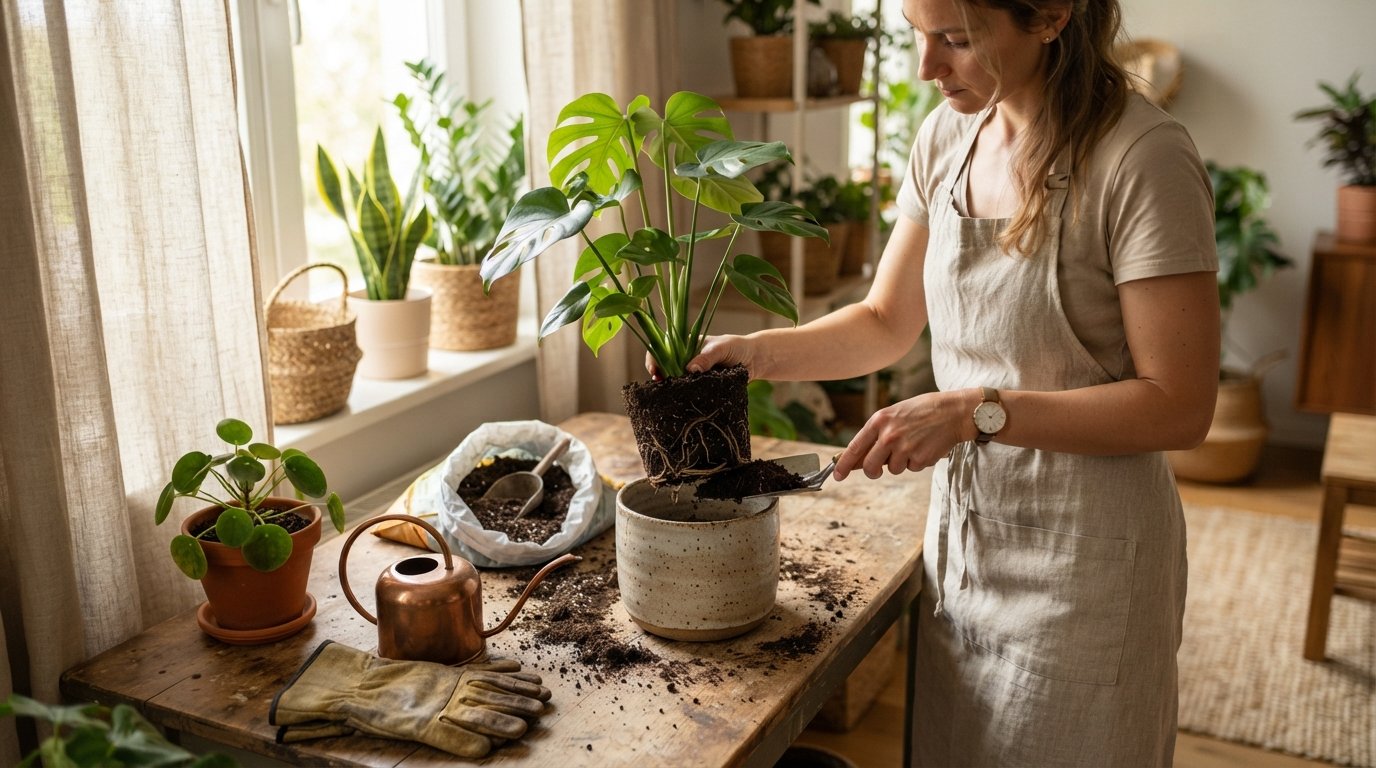
Indoor plants can make a home feel fresher, greener, and more welcoming, but keeping them healthy takes a little more than simply watering them every few days. I’ve found that most houseplants do much better when you pay attention to their light, soil, watering routine, humidity, and overall growing environment.
The good news is that indoor plant care does not have to be complicated. Once you understand what your plants need, it becomes much easier to spot problems before they become serious. Whether you are caring for pothos, snake plants, monsteras, peace lilies, or small herbs, these 12 simple tips can help your houseplants stay healthy and beautiful in 2026.
1. Give Your Plants the Right Amount of Light
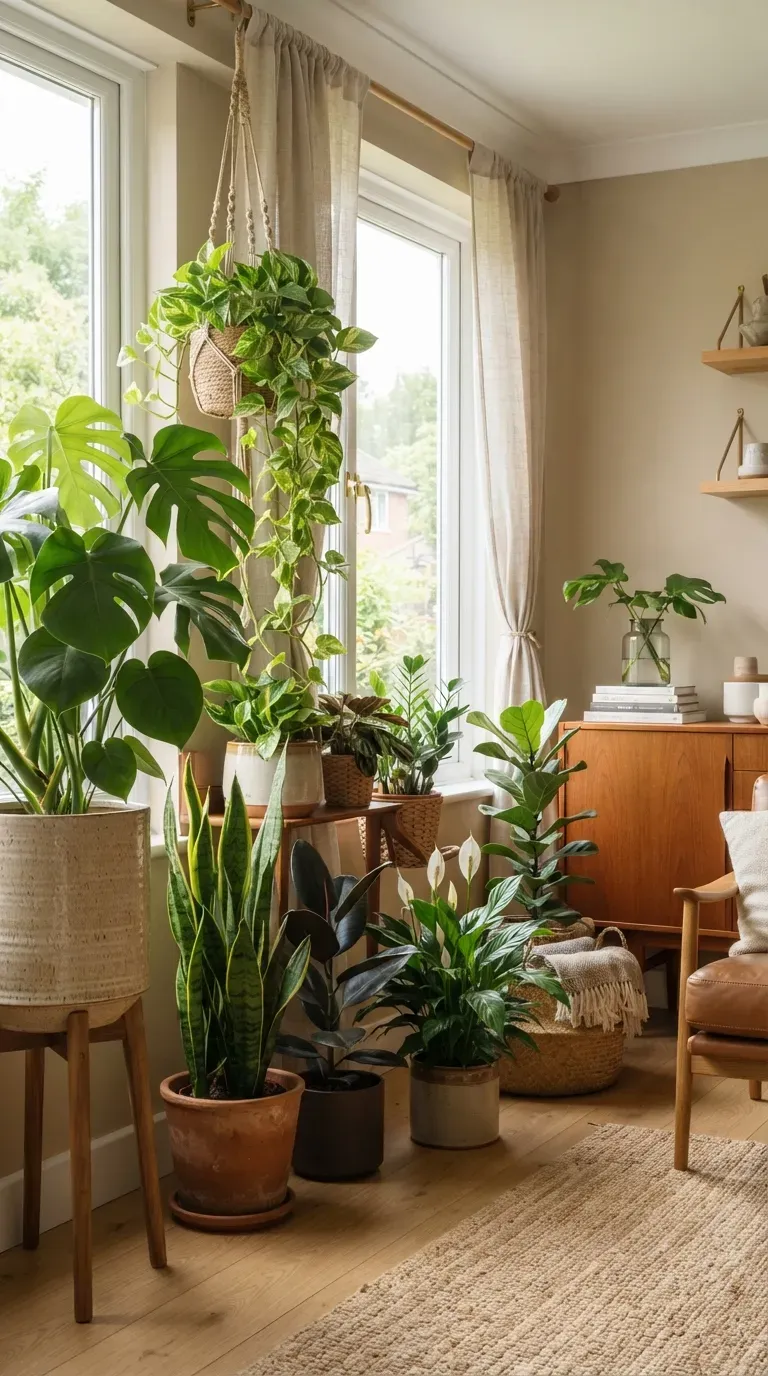
Light is one of the most important parts of indoor plant care. Before placing a plant somewhere, check whether it prefers bright indirect light, low light, or several hours of direct sunlight.
A bright window does not automatically mean every plant should sit directly against the glass. If the leaves begin looking pale, scorched, or stretched toward the window, the plant may need a different position.
Why You’ll Love It
- Helps plants produce healthy new growth.
- Reduces common light-related problems.
- Makes it easier to choose the right spot.
2. Check the Soil Before Watering
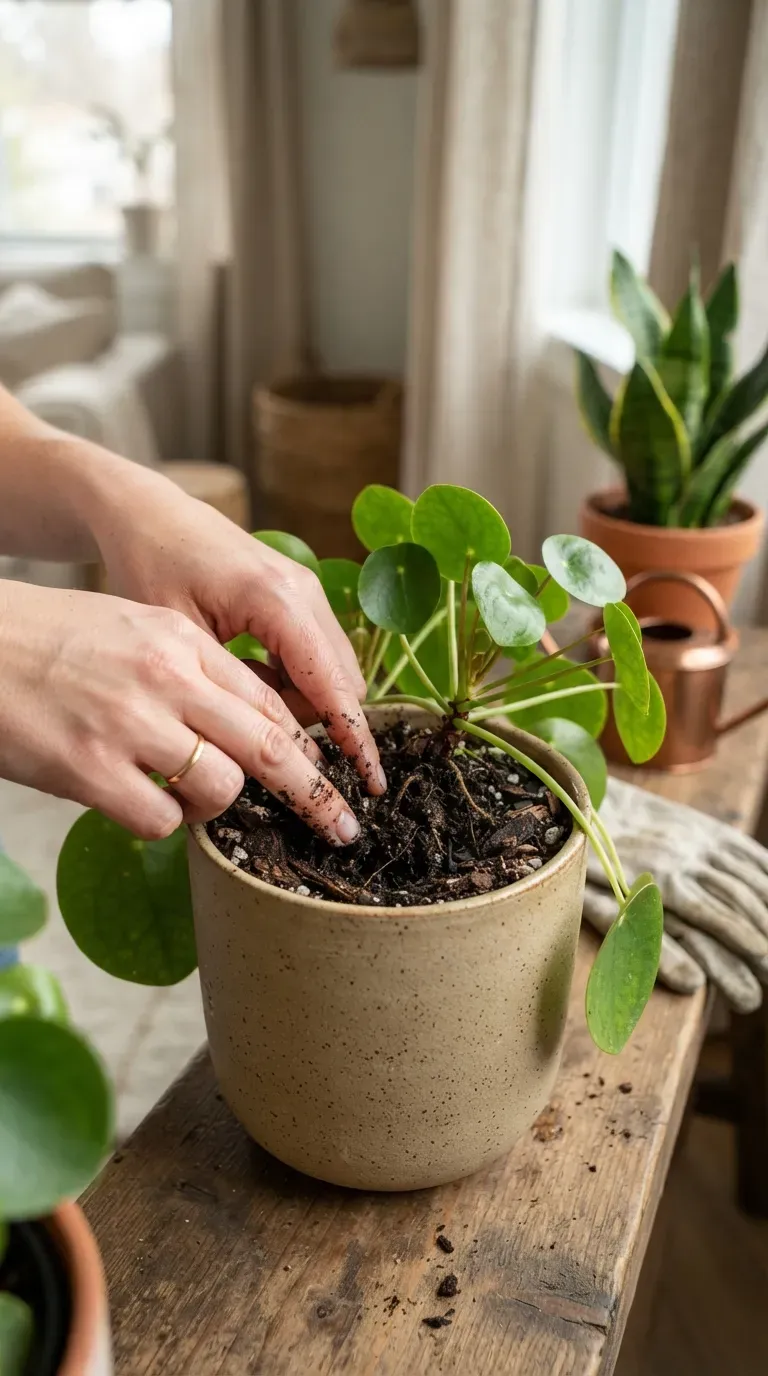
One of the easiest mistakes to make with houseplants is watering them on a fixed schedule without checking the soil first. Different plants dry out at different rates depending on their size, pot, soil, temperature, and light.
I usually check the top layer of soil with my finger before reaching for the watering can. If it still feels noticeably moist, I wait rather than adding more water.
Why You’ll Love It
- Helps prevent unnecessary watering.
- Encourages healthier roots.
- Creates a simple plant-care routine.
3. Use a Moisture Meter for Better Watering
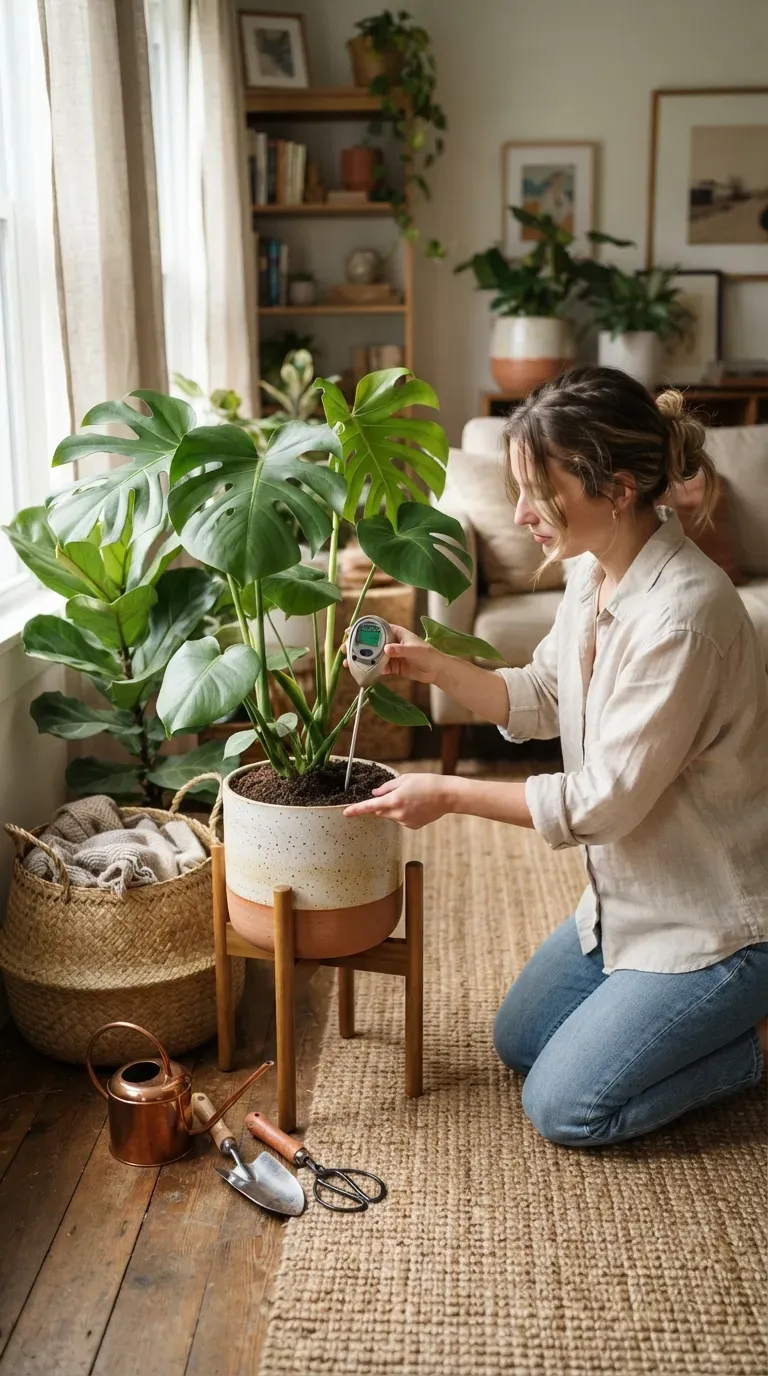
If you sometimes struggle to tell whether your plants need water, a moisture meter can make the process easier. Instead of guessing based on the surface of the soil, you can check moisture deeper inside the pot.
Useful product recommendation: A simple soil moisture meter for houseplants is a handy tool for beginners and anyone caring for several different plants. Look for an easy-to-read meter that does not require complicated setup.
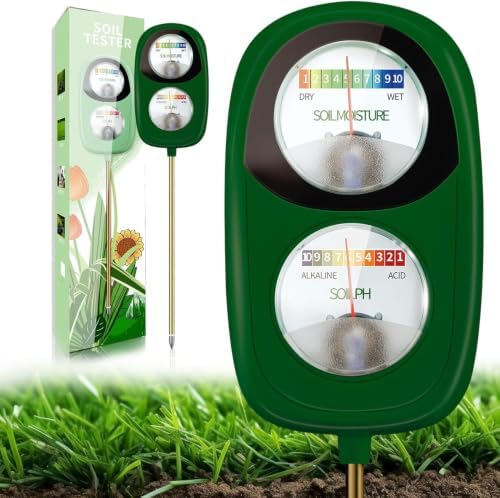


It is still important to understand the individual needs of each plant. Use the meter as a helpful guide rather than relying on one moisture reading for every type of houseplant.
Why You’ll Love It
- Takes the guesswork out of checking soil.
- Useful for beginners.
- Makes monitoring several plants easier.
4. Choose Pots With Drainage Holes
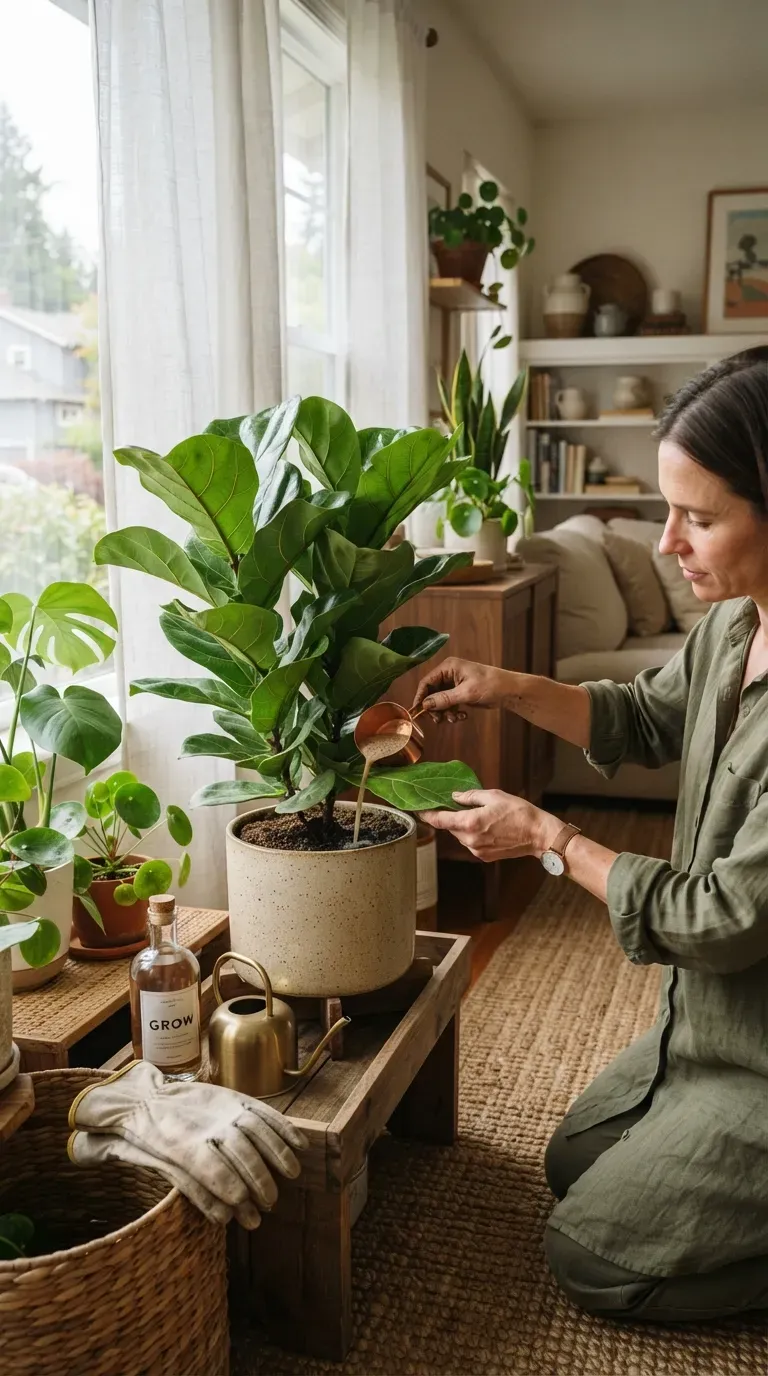
Good drainage is essential for many houseplants because excess water needs somewhere to escape. A decorative pot may look beautiful, but if water becomes trapped around the roots, problems can develop.
I prefer using a nursery pot with drainage holes inside a decorative cover pot. This makes it easier to remove the plant for watering and allows excess water to drain properly.
Why You’ll Love It
- Helps excess water escape.
- Supports healthier roots.
- Makes watering easier to manage.
5. Feed Your Plants During Active Growth
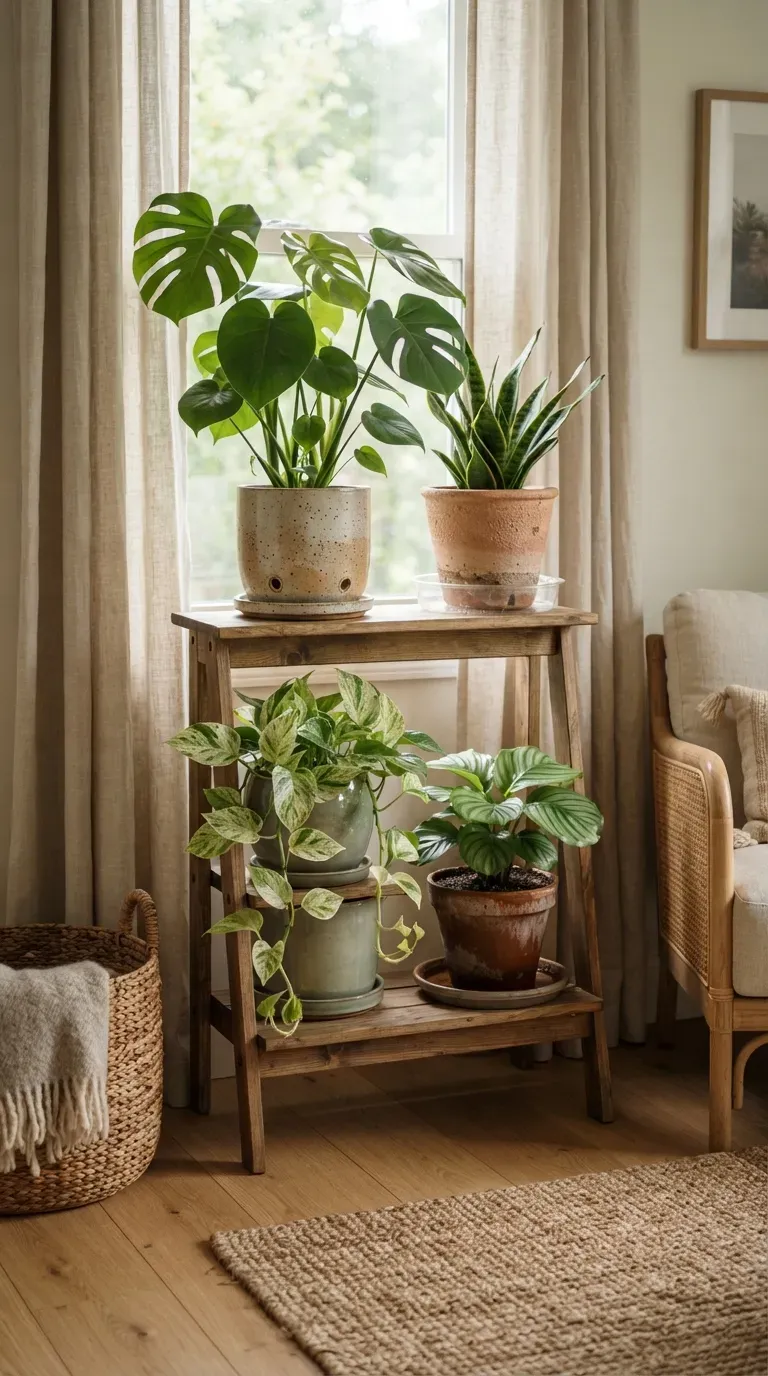
Plants need nutrients as well as water and light, particularly when they are actively producing new leaves and growth. However, more fertilizer is not necessarily better, so always follow the product directions.
Useful product recommendation: A balanced liquid houseplant fertilizer can be a convenient option for feeding a variety of indoor plants. Choose a product with clear dilution and application instructions and use it according to the label.
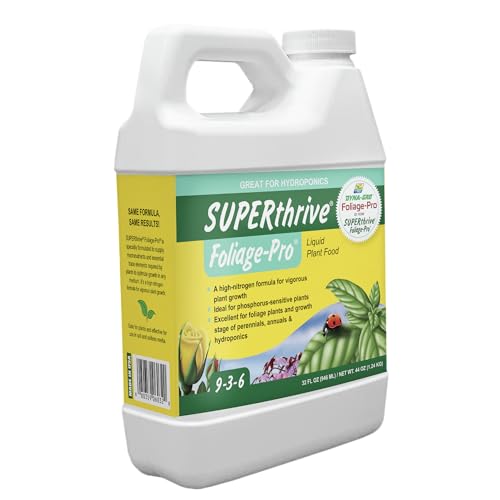
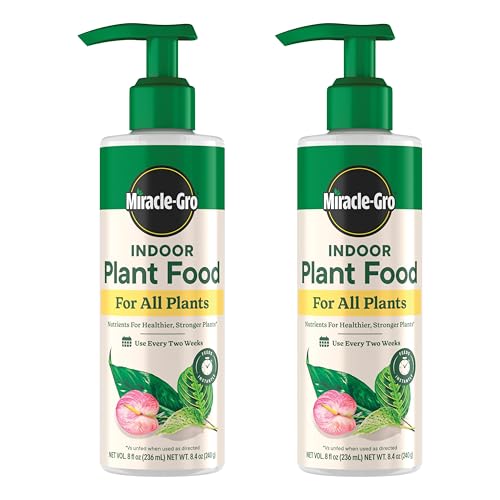
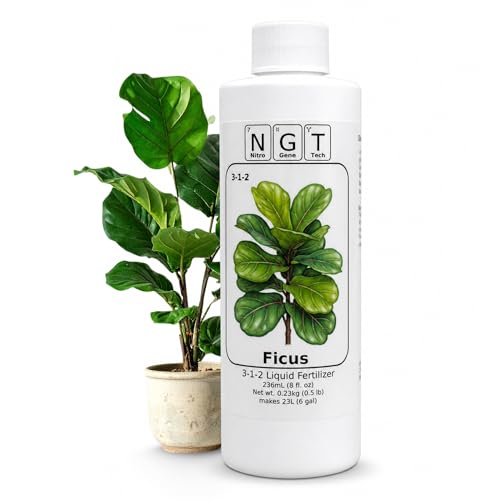
I recommend keeping a simple feeding schedule rather than fertilizing every time you water. Adjust the routine based on the plant species and its growing conditions.
Why You’ll Love It
- Supports healthy new growth.
- Easy to add to an existing care routine.
- Works well for many common houseplants.
6. Clean Dust From the Leaves
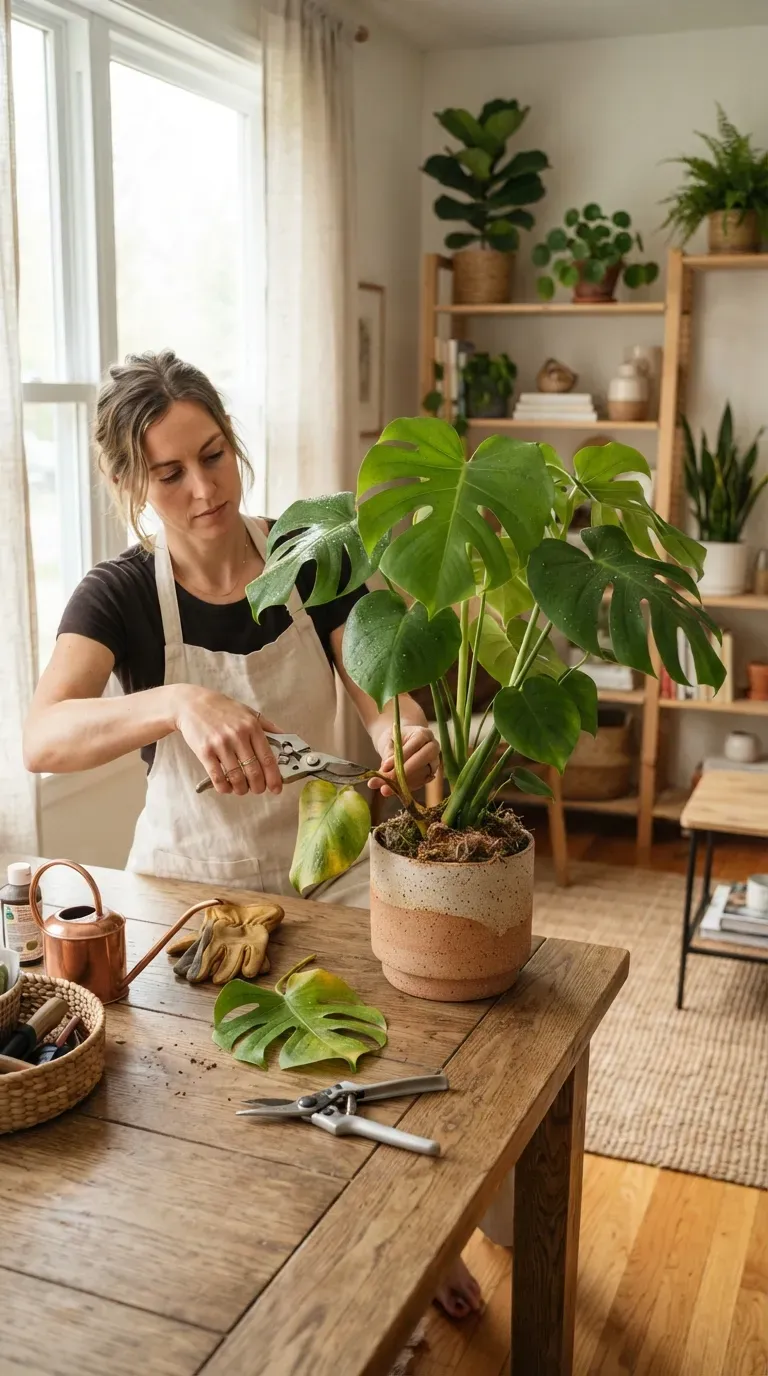
Dust can collect on large houseplant leaves and make them look dull. A gentle wipe with a soft, slightly damp cloth can help keep foliage clean.
This is especially useful for plants with large leaves such as monstera and fiddle leaf figs. While cleaning, take a moment to inspect the leaves for discoloration, damaged areas, or signs of pests.
Why You’ll Love It
- Keeps foliage looking fresh.
- Gives you a chance to inspect leaves.
- Simple and inexpensive to do.
7. Keep a Good Pair of Pruning Shears Nearby
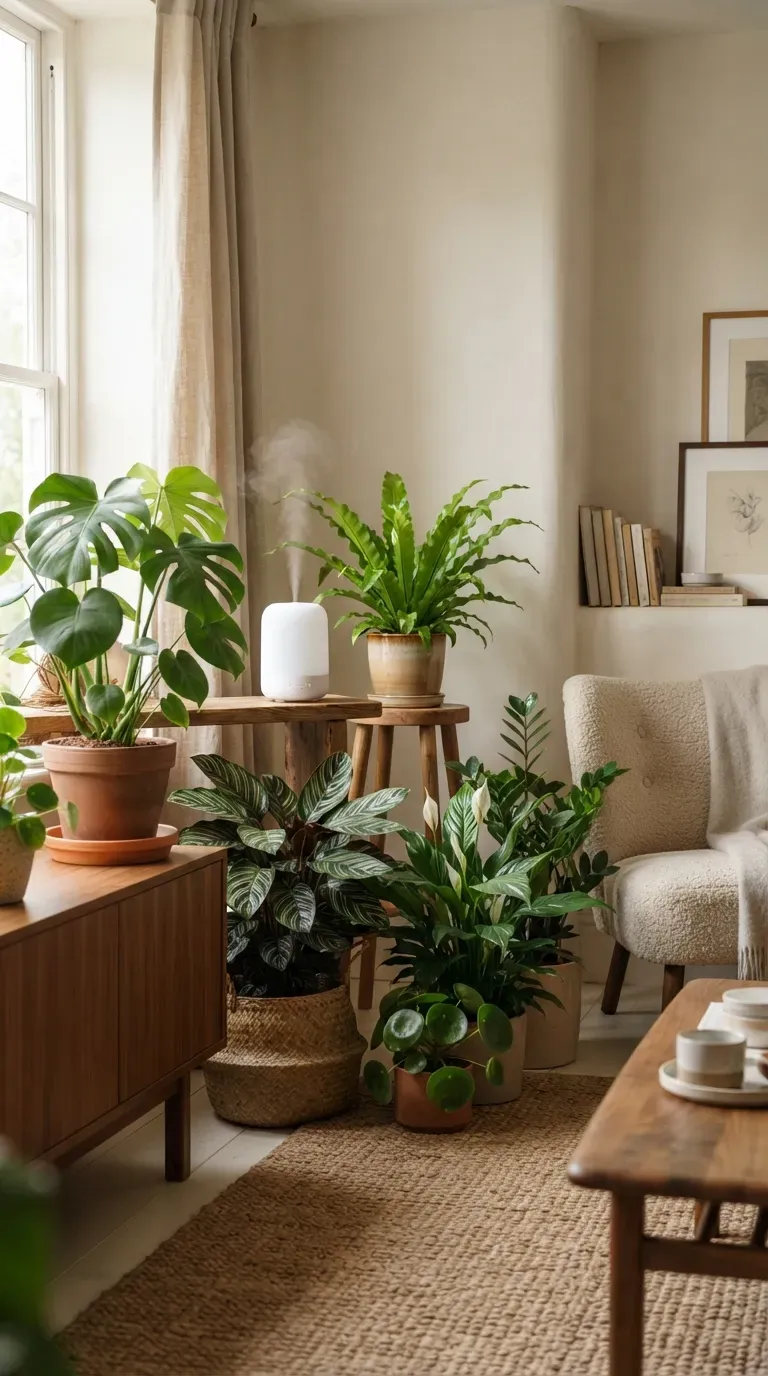
Pruning can help keep indoor plants looking tidy and can remove damaged, dead, or unwanted growth. You do not need to cut your plants frequently, but having the right tool makes occasional maintenance much easier.
Useful product recommendation: A pair of sharp bypass pruning shears designed for small plants is a useful addition to your indoor gardening supplies. Choose comfortable handles and keep the blades clean between plants.

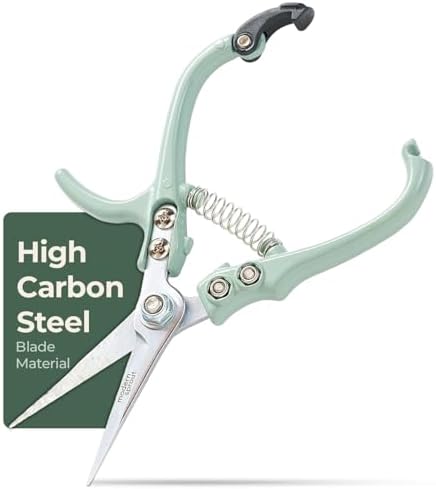
Before pruning, identify exactly what you want to remove. Avoid cutting healthy growth simply because the plant looks slightly uneven.
Why You’ll Love It
- Makes plant maintenance easier.
- Helps remove damaged growth.
- Useful for many common houseplants.
8. Increase Humidity for Plants That Need It
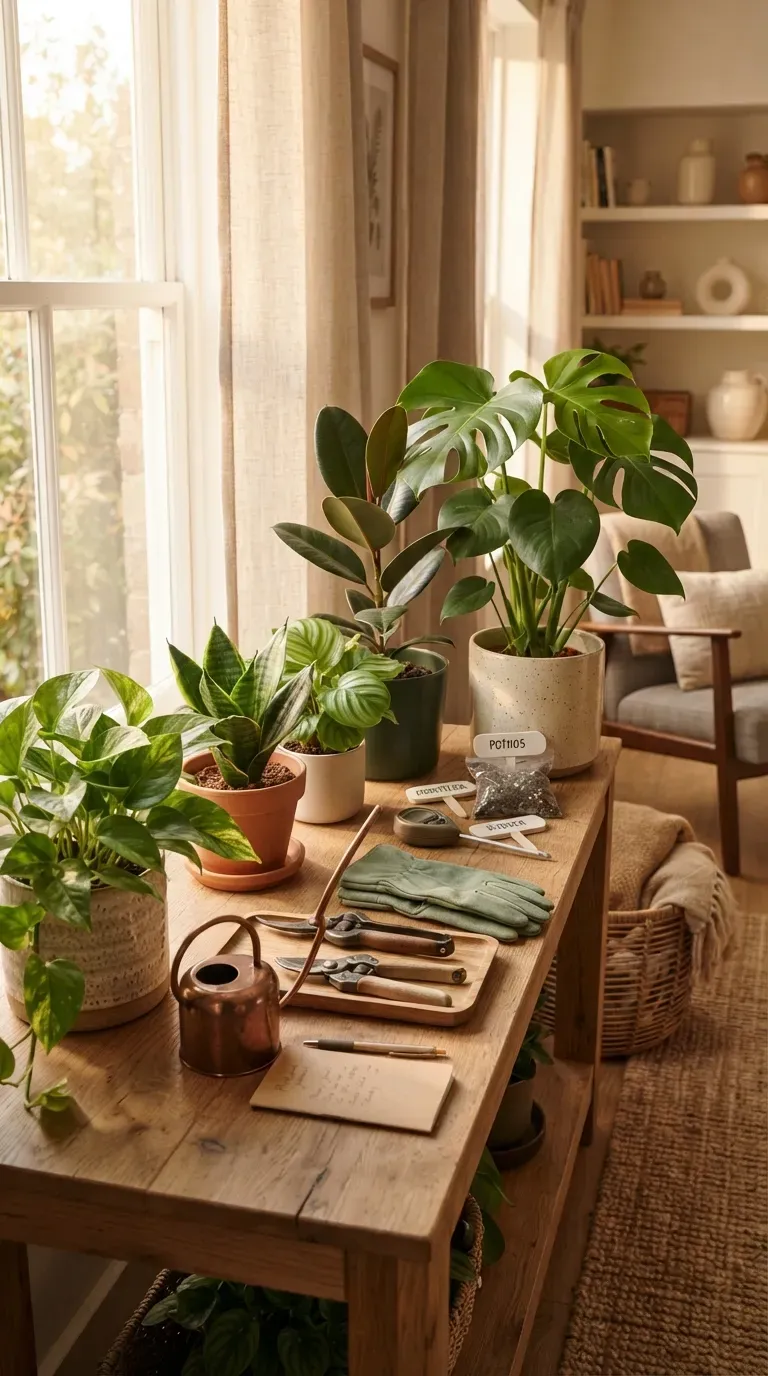
Some tropical houseplants prefer more humidity than a typical indoor environment provides, especially during dry weather. If you notice crispy leaf edges or plants that struggle despite proper watering and light, humidity may be worth considering.
Grouping plants together can create a slightly more humid microenvironment. For plants that need more consistent humidity, a room humidifier can also be useful.
Why You’ll Love It
- Helps humidity-loving plants thrive.
- Can reduce dryness around tropical foliage.
- Makes your indoor garden feel lush and green.
9. Rotate Your Plants Regularly
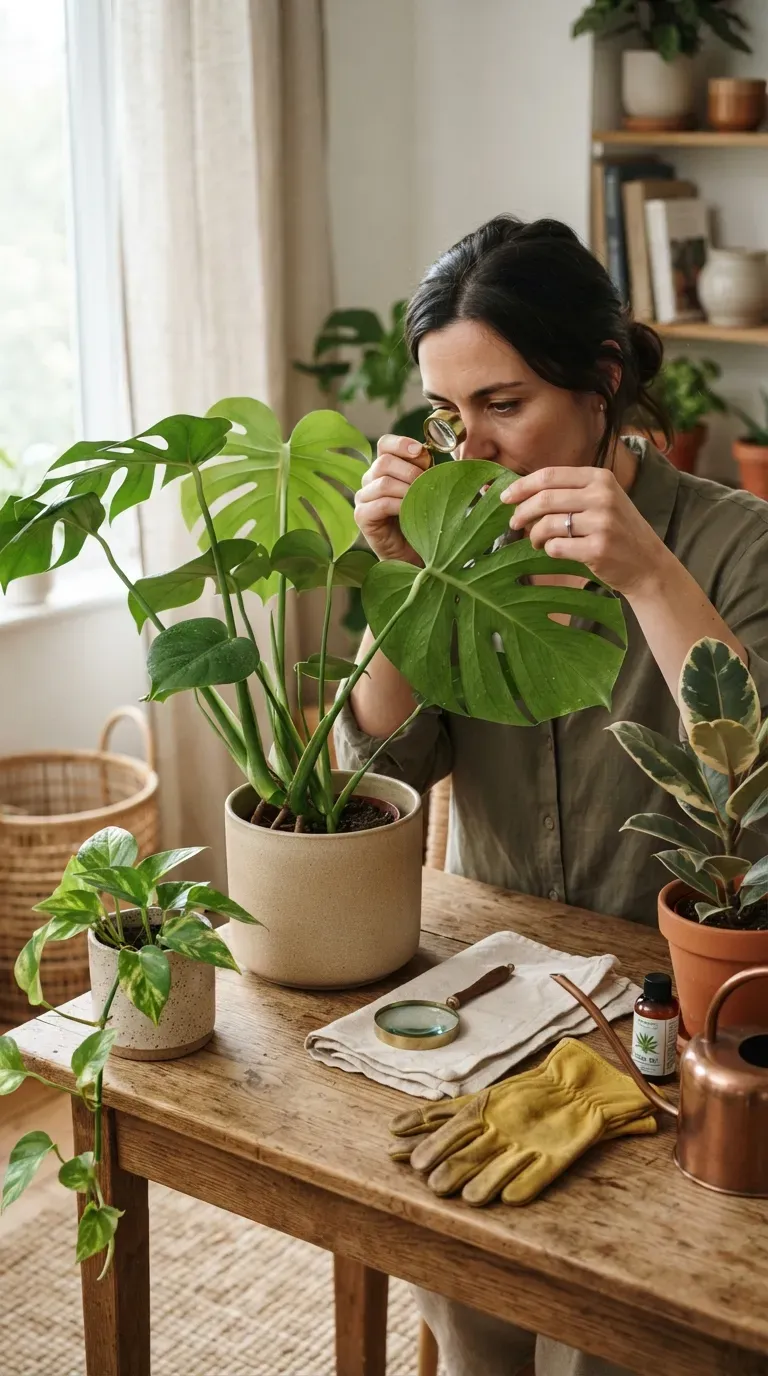
Plants naturally grow toward their light source, which can make them look uneven over time. Rotating the pot periodically can help different sides of the plant receive light.
I usually make this part of my regular plant-care routine. A small rotation is enough; there is no need to move the plant dramatically or change its location every time.
Why You’ll Love It
- Encourages more balanced growth.
- Helps plants maintain an attractive shape.
- Takes only a few seconds.
10. Repot Plants When They Outgrow Their Containers
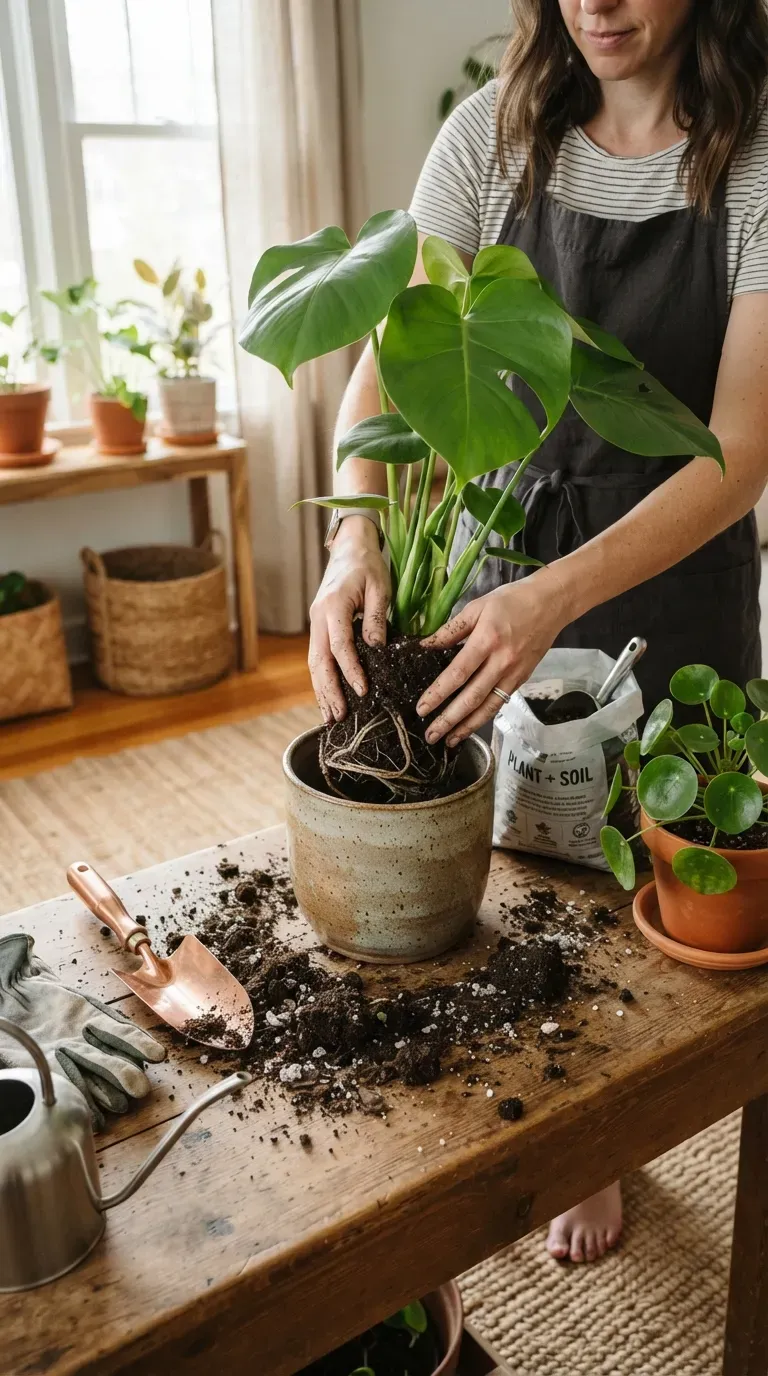
Plants do not necessarily need a new pot every year. Instead, look for signs that the current container has become too small, such as roots growing through drainage holes or the plant drying out unusually quickly.
When repotting, I prefer moving the plant into a container only slightly larger than the previous one. A dramatically oversized pot can hold excess moisture around the roots.
Why You’ll Love It
- Gives growing roots more room.
- Refreshes old growing media when needed.
- Helps prevent plants from becoming root-bound.
11. Check Your Plants for Pests
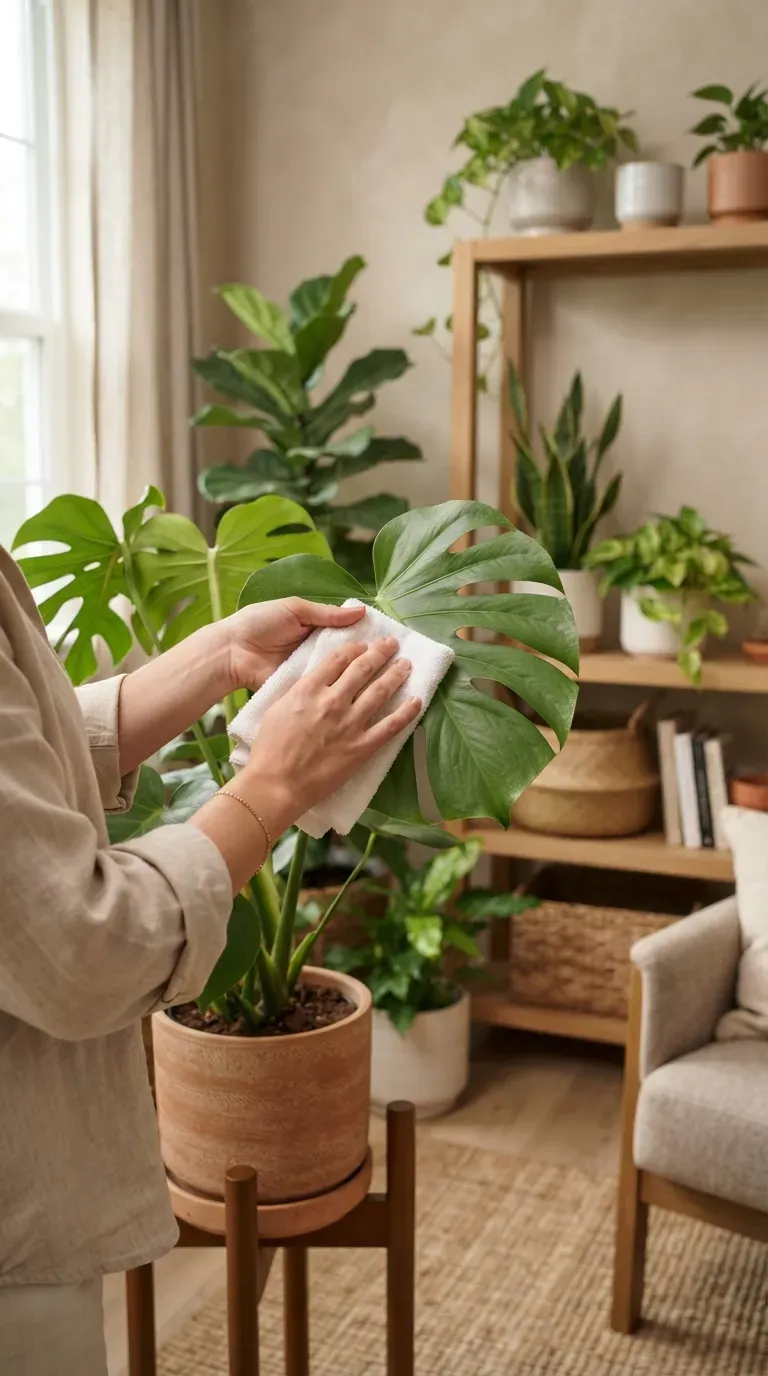
It is much easier to deal with plant pests when you notice them early. Whenever I water or clean my plants, I try to quickly check the leaves, stems, and undersides for anything unusual.
Look for changes such as tiny insects, sticky residue, webbing, spots, or distorted new growth. If you find a problem, separate the affected plant from your other houseplants while you identify and address the issue.
Why You’ll Love It
- Helps catch problems early.
- Protects your other houseplants.
- Can become part of your regular routine.
12. Keep a Simple Plant Care Schedule
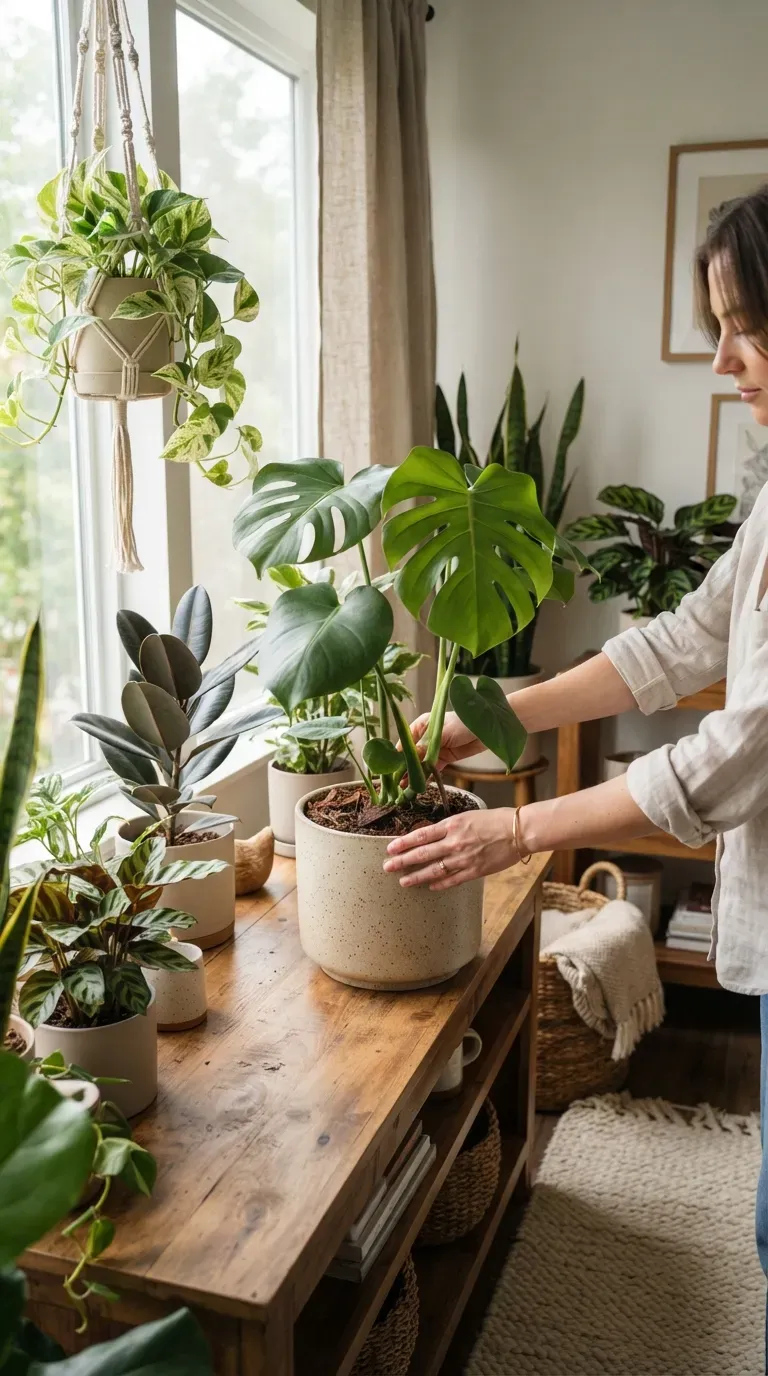
The easiest way to stay consistent with indoor plant care is to create a simple routine. Instead of trying to remember every detail, keep a small note of when you last checked moisture, fertilized, pruned, or repotted each plant.
I also recommend grouping plants with similar needs when possible. This makes your routine easier because you can check several plants together while still adjusting watering or feeding based on each plant’s individual requirements.
Why You’ll Love It
- Makes plant care easier to remember.
- Helps you notice changes over time.
- Prevents plants from being accidentally neglected.
My Experience-Based Tips for Indoor Plant Care
When I care for houseplants, I always try to observe the plant before doing anything. Yellow leaves, drooping foliage, dry soil, slow growth, or brown edges can all tell you something about the plant’s environment. Instead of immediately adding more water or fertilizer, check the light, soil moisture, drainage, and recent changes first.
I also avoid treating every houseplant exactly the same way. A snake plant and a tropical plant can have very different watering and light preferences. Learning the basic needs of each species makes indoor plant care much easier and prevents many common mistakes.
Finally, keep your routine simple. You do not need a shelf full of gardening products to maintain healthy plants. Good light, appropriate watering, drainage, suitable soil, occasional feeding, and regular observation will take you a long way.
Conclusion
These indoor plant care tips can help you create healthier, happier houseplants without making plant care feel like a complicated chore. From checking soil moisture and providing the right light to cleaning leaves, pruning, repotting, and watching for pests, small habits can make a noticeable difference.
My biggest tip is to pay attention to what your plants are telling you. Once you understand their individual needs and build a simple routine around them, caring for your indoor garden becomes much more enjoyable. With a little consistency, your home can stay filled with beautiful green growth throughout 2026.