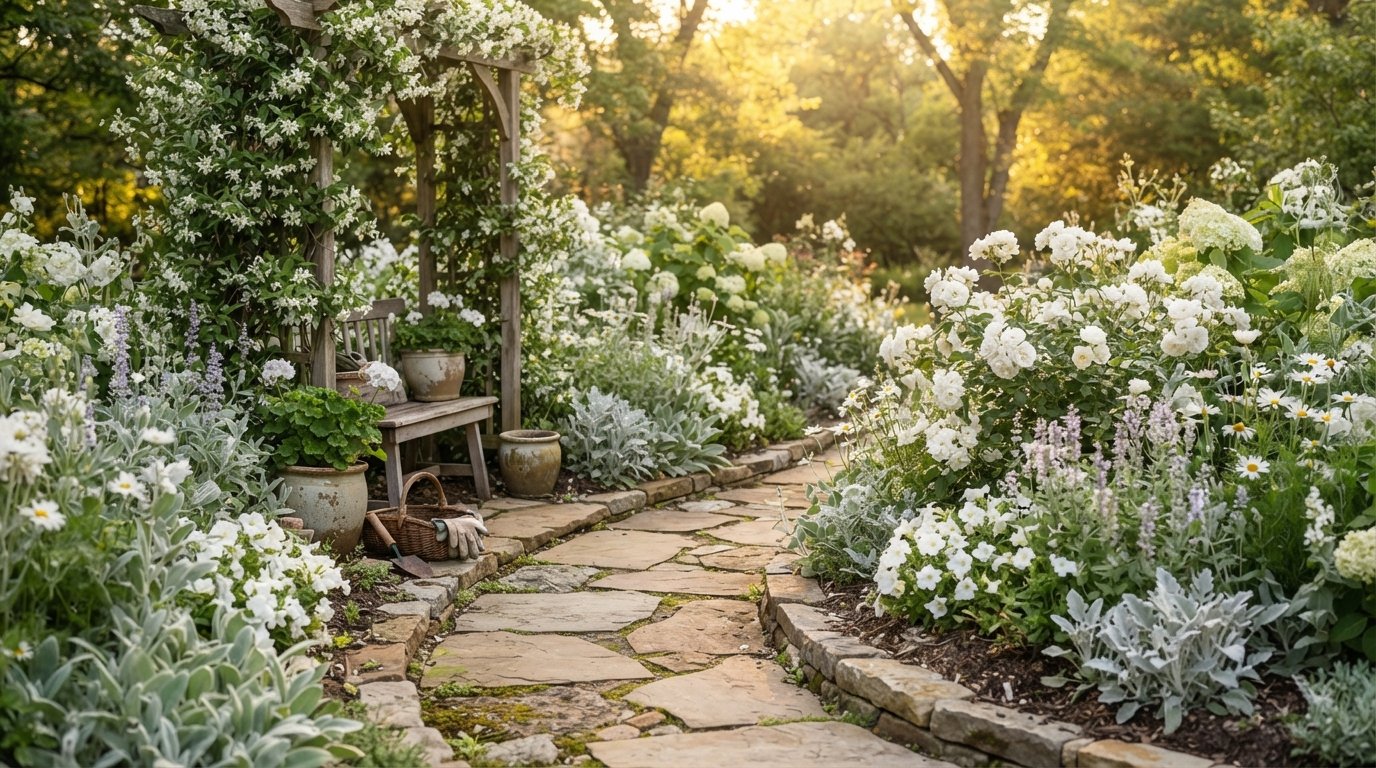
I’ve always believed that a beautiful flower garden doesn’t need to look perfectly planned to feel special. Some of my favorite garden spaces combine different colors, heights, textures, and flower shapes to create a relaxed, natural look.
When I plan a flower garden, I think about more than just choosing flowers I love. I consider sunlight, soil, drainage, available space, and how large each plant will eventually become. From my experience, this simple planning makes a garden easier to maintain and much more enjoyable throughout the growing season.
I also love combining ornamental flowers with useful plants. If you’re interested in adding herbs to your landscape, my previous article, Herb Spiral Garden Ideas: 7 Beautiful and Practical Designs for Fresh Herbs, has practical ideas for creating a productive herb feature that can work alongside a colorful flower garden.
1. Cottage-Style Flower Garden
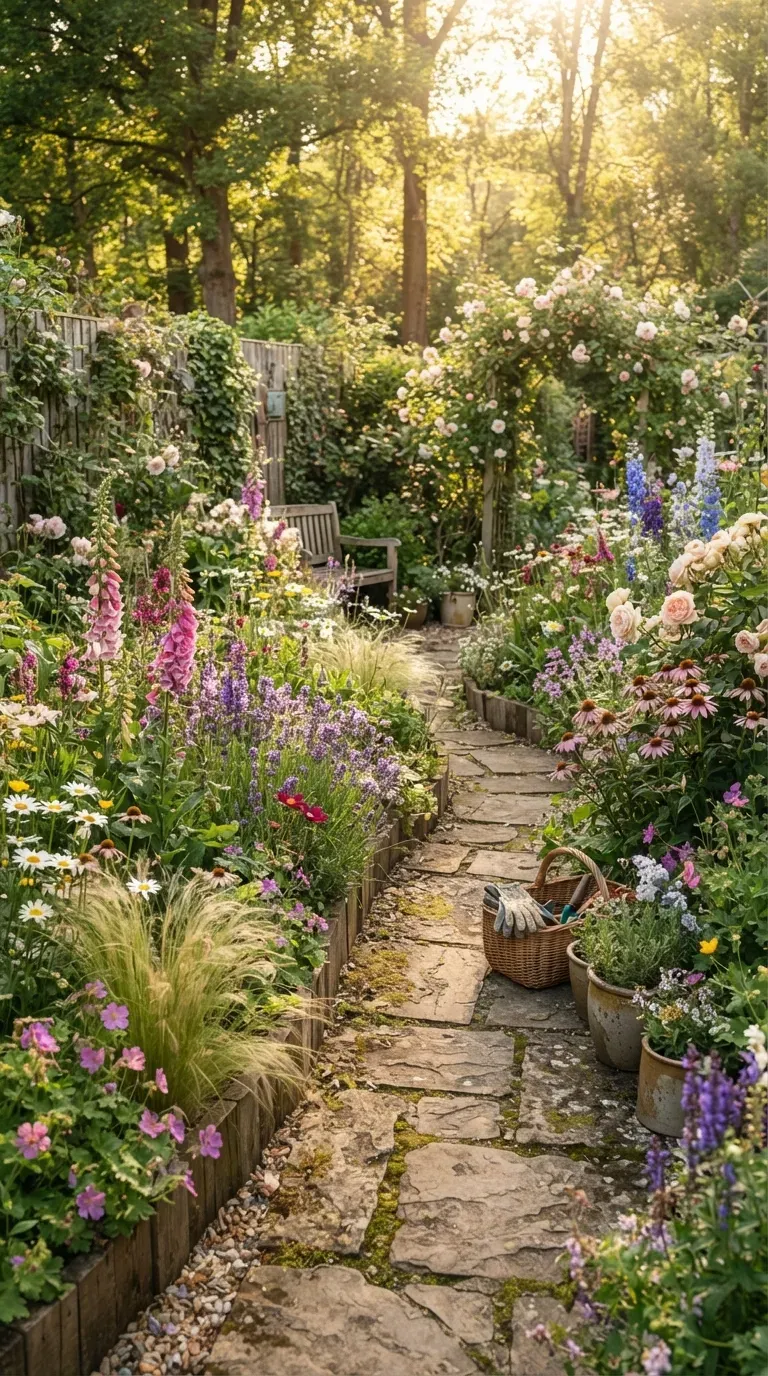
A cottage-style flower garden is one of my favorite looks because it feels relaxed, colorful, and welcoming. Instead of planting everything in perfectly straight rows, I prefer mixing flowers of different heights and shapes.
Roses, lavender, daisies, foxgloves, coneflowers, and other cottage-style flowers can create that full, romantic appearance. I usually repeat a few colors throughout the garden so the planting feels connected rather than chaotic.
Why You’ll Love It
- Creates a charming and relaxed atmosphere.
- Works beautifully with mixed-height flowers.
- Gives the garden a naturally full appearance.
2. Small Flower Garden for a Backyard
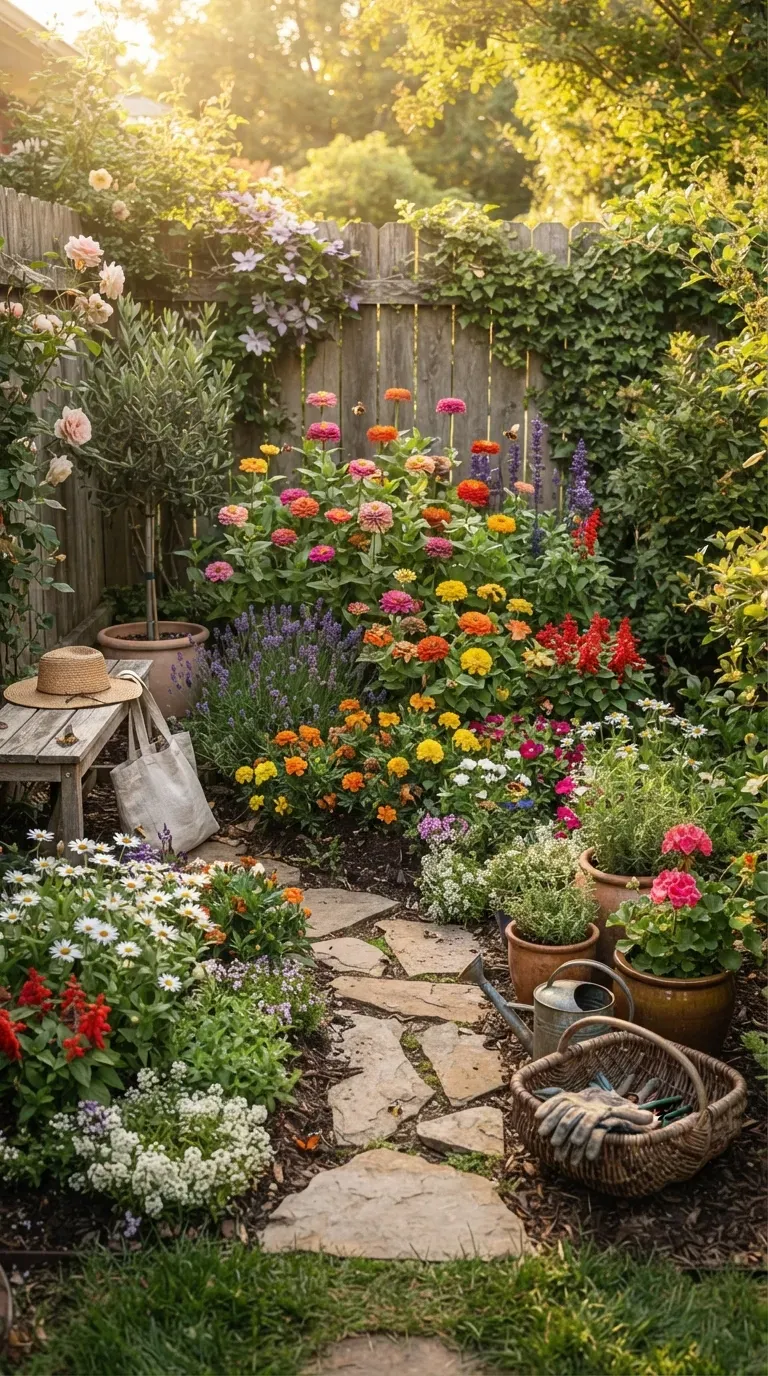
You don’t need a large yard to enjoy a beautiful flower garden. I’ve found that even a small planting bed can have plenty of impact when the space is planned carefully.
For a compact garden, I like choosing a few reliable flowers and repeating them throughout the space. Adding vertical plants or a small trellis can also help you make better use of limited space.
Why You’ll Love It
- Perfect for small outdoor spaces.
- Easy to plan and maintain.
- Makes a compact yard feel more colorful.
3. Raised Flower Bed Garden
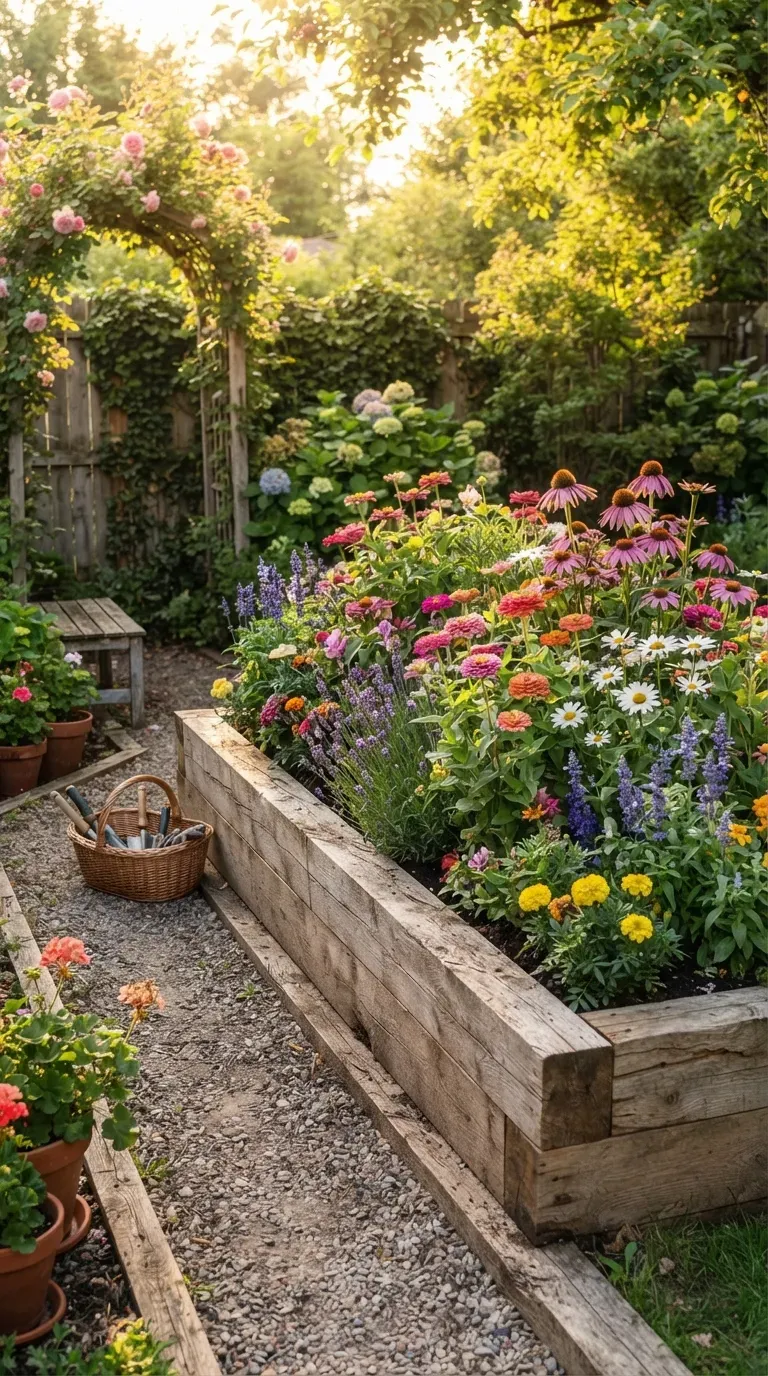
Raised flower beds are a practical choice when you want a defined planting area. I particularly like them because the clear edges make the garden look organized while also making the plants easier to access.
You can build raised beds from suitable timber, stone, brick, or other garden materials. Before planting, make sure the structure is stable and that the soil has good drainage for the flowers you choose.
Why You’ll Love It
- Creates a neat and organized garden.
- Makes planting easier to manage.
- Works well in many garden styles.
4. Wildflower Garden
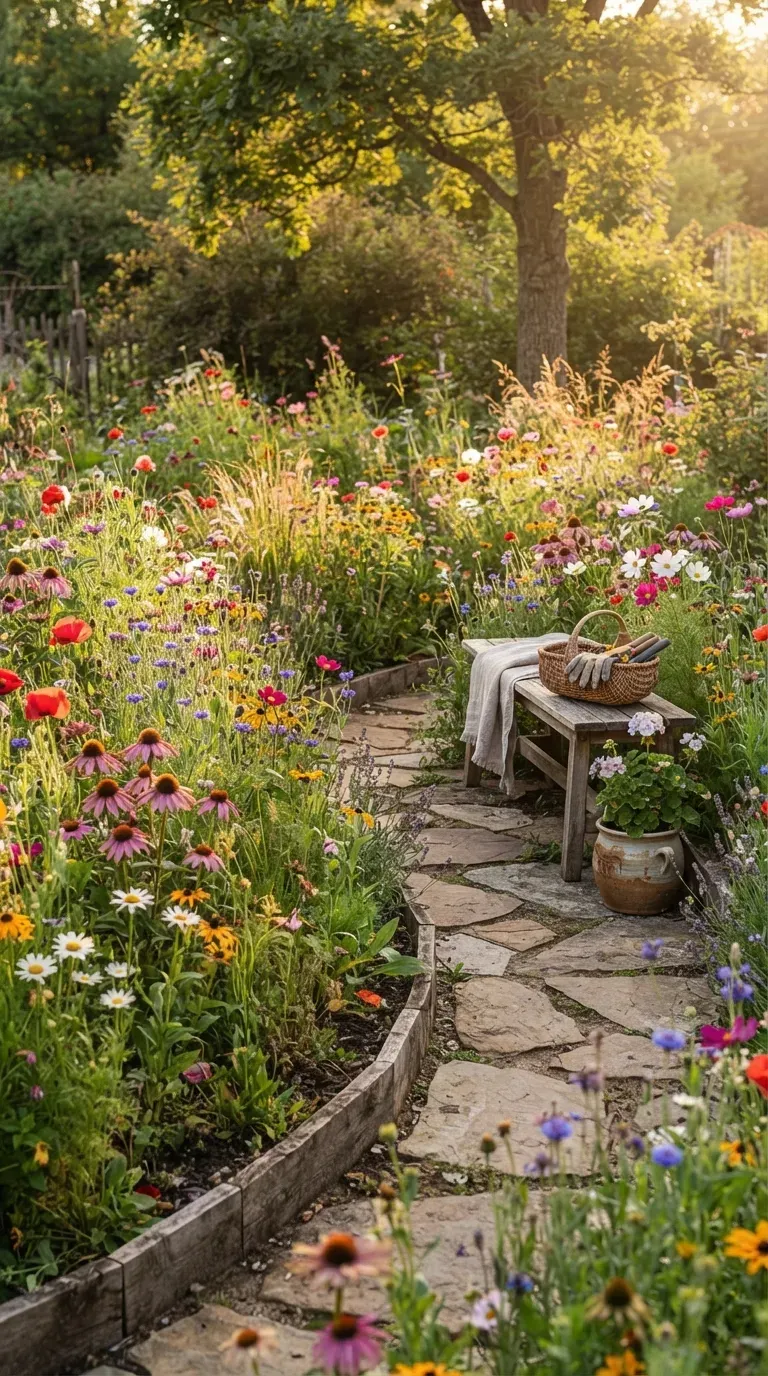
Wildflower gardens have a wonderfully natural appearance. Rather than trying to make every plant look perfectly arranged, I like allowing flowers to grow in a more relaxed pattern.
If you’re creating one, consider choosing flower species that are well suited to your local growing conditions. Native and regionally appropriate plants can be especially useful for creating a garden that fits naturally into the surrounding landscape.
Why You’ll Love It
- Creates a natural, informal appearance.
- Can provide habitat and food for pollinators.
- Requires less formal styling.
5. Colorful Perennial Flower Garden
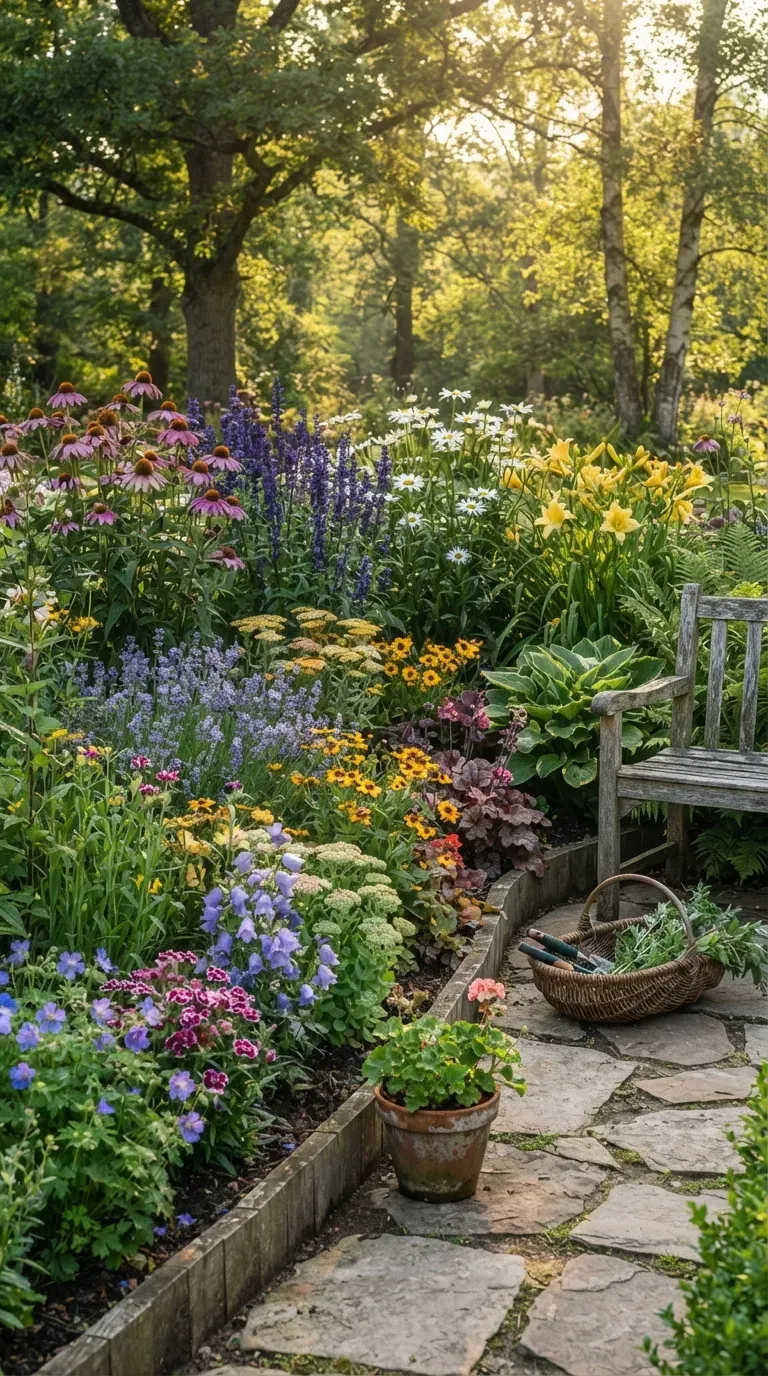
Perennials are a great option when you want a flower garden that can return year after year under suitable growing conditions. When I design a perennial bed, I focus on combining different bloom periods so the garden doesn’t become empty after one group finishes flowering.
I also like layering plants by height. Taller flowers can sit toward the back, medium-height plants in the center, and low-growing flowers along the front edge.
Why You’ll Love It
- Many varieties return year after year.
- Creates long-lasting garden structure.
- Offers plenty of color and texture.
6. Flower Garden Along a Garden Path
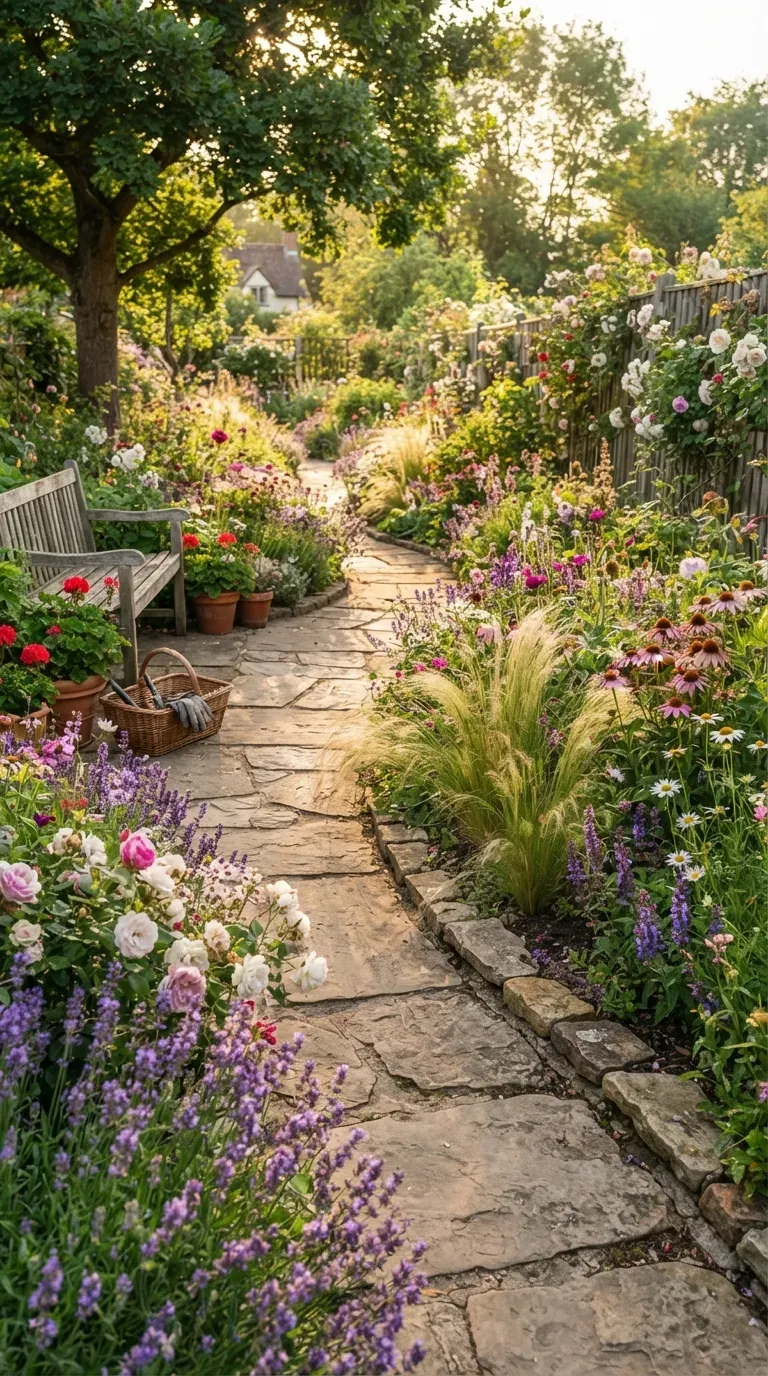
One of the easiest ways to make a garden feel special is to place flowers alongside a walkway. I love how the plants soften hard paving and make an ordinary path feel like part of the garden.
Keep taller plants farther from the walking area and shorter varieties closer to the edge. This keeps the pathway usable while still creating that lush, surrounded-by-flowers feeling.
Why You’ll Love It
- Makes garden paths more inviting.
- Softens hard landscaping.
- Creates a beautiful garden journey.
7. Butterfly-Friendly Flower Garden
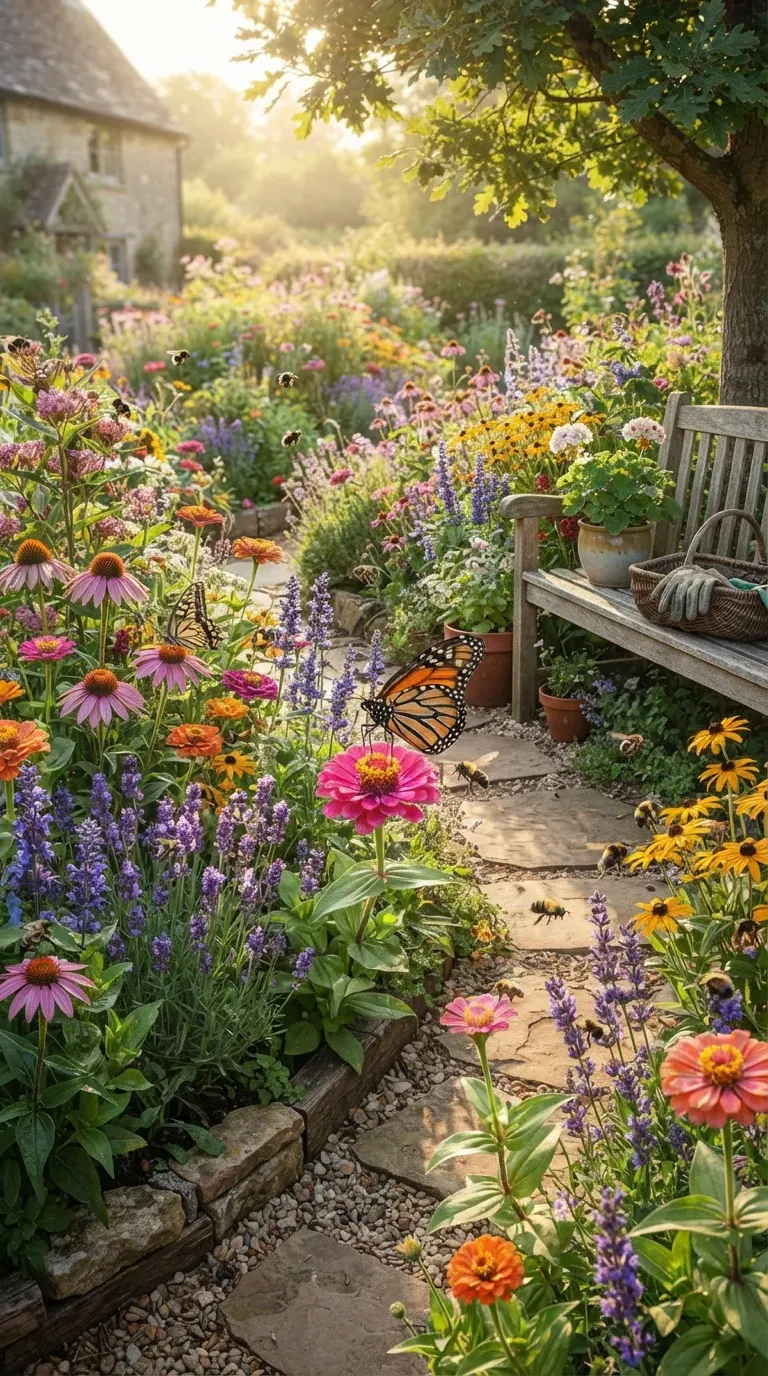
I love gardens that are beautiful but also useful to local wildlife. A pollinator-friendly flower bed can provide nectar and habitat for butterflies, bees, and other beneficial insects.
When choosing plants, I recommend researching which species are appropriate for your local area and growing conditions. A mixture of flowers that bloom at different times can help provide resources across more of the season.
Why You’ll Love It
- Adds movement and life to the garden.
- Supports visiting pollinators.
- Can be filled with beautiful colors.
8. Flower Garden Around a Tree
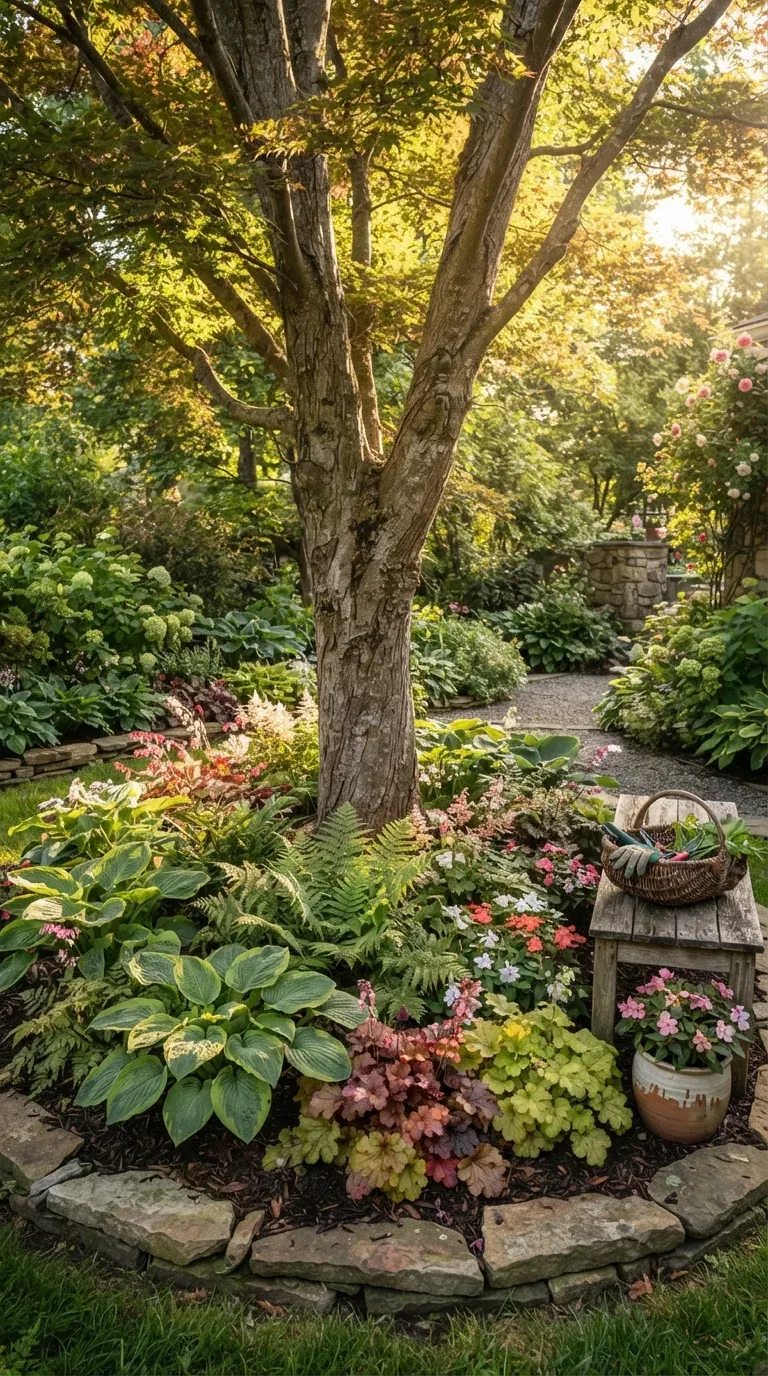
The area underneath a mature tree can sometimes be challenging because of shade and competition for water. Instead of forcing sun-loving flowers into the space, I prefer choosing plants that naturally tolerate the conditions.
Before planting, check how much light reaches the area throughout the day. Also avoid piling soil against the tree trunk, as this can create problems for the tree.
Why You’ll Love It
- Makes use of otherwise difficult garden space.
- Creates a natural focal point.
- Adds color beneath mature trees.
9. Vertical Flower Garden
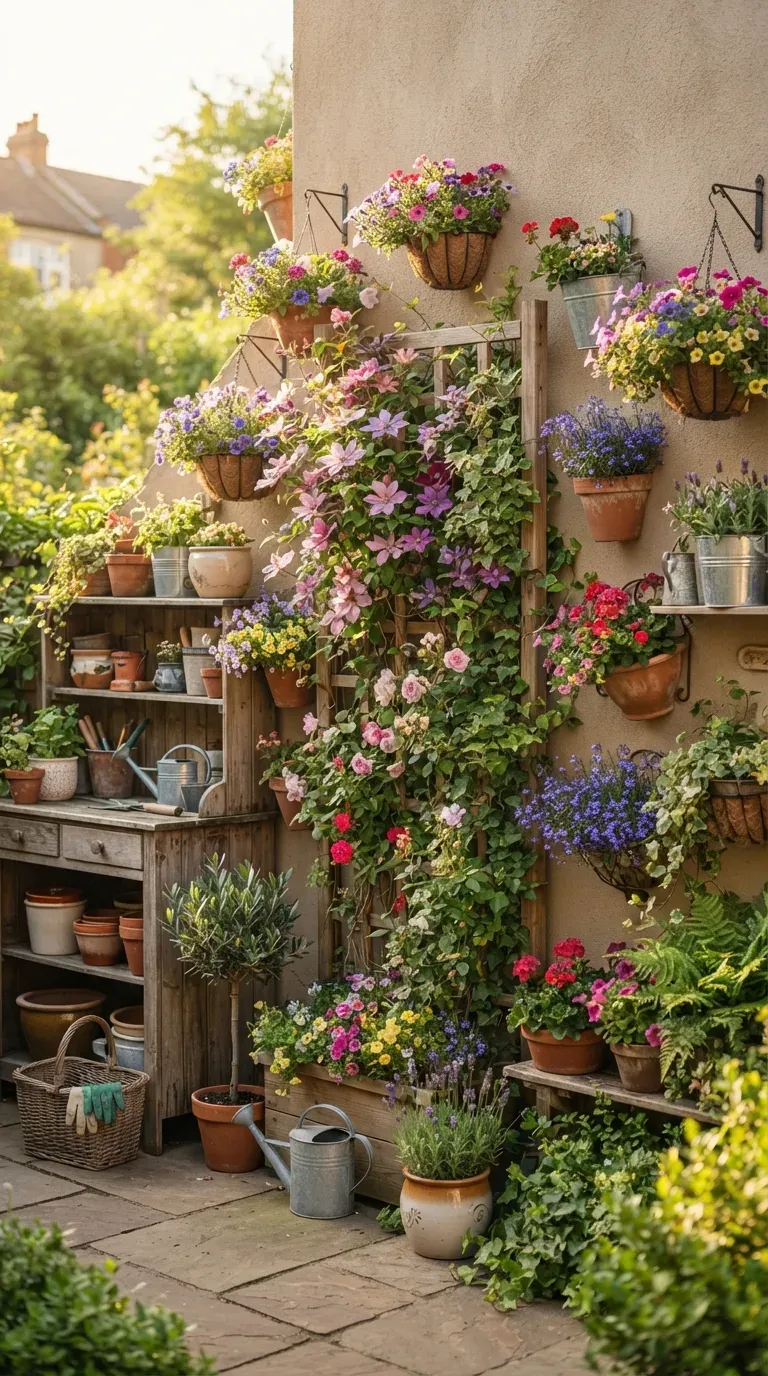
Vertical gardening is one of my favorite solutions when floor space is limited. Trellises, wall planters, hanging containers, and climbing plants can all help you add flowers without using a large area of ground.
I like combining plants with different growth habits. Trailing flowers can soften the edges while upright or climbing plants draw the eye upward.
Why You’ll Love It
- Great for small gardens.
- Makes use of vertical space.
- Adds height and visual interest.
10. Moon Garden with White Flowers
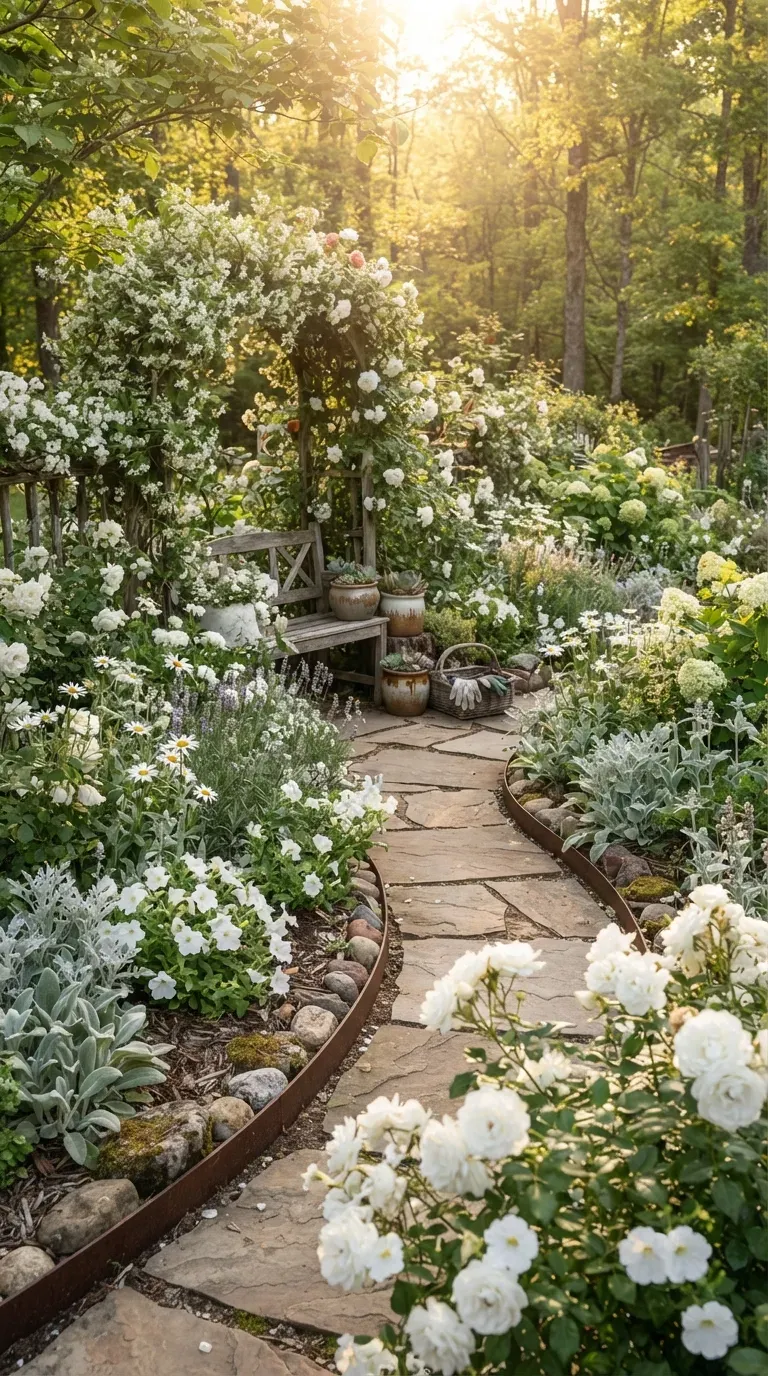
A moon garden is designed around pale flowers and silvery foliage that can remain visually interesting in evening light. I find this style especially peaceful because the limited color palette creates a calm feeling.
White doesn’t have to mean boring. Mixing different flower shapes, leaf textures, and plant heights can make a mostly white garden feel rich and layered.
Why You’ll Love It
- Creates a peaceful garden atmosphere.
- Looks beautiful in soft evening light.
- Offers a sophisticated limited color palette.
11. Flower and Herb Combination Garden
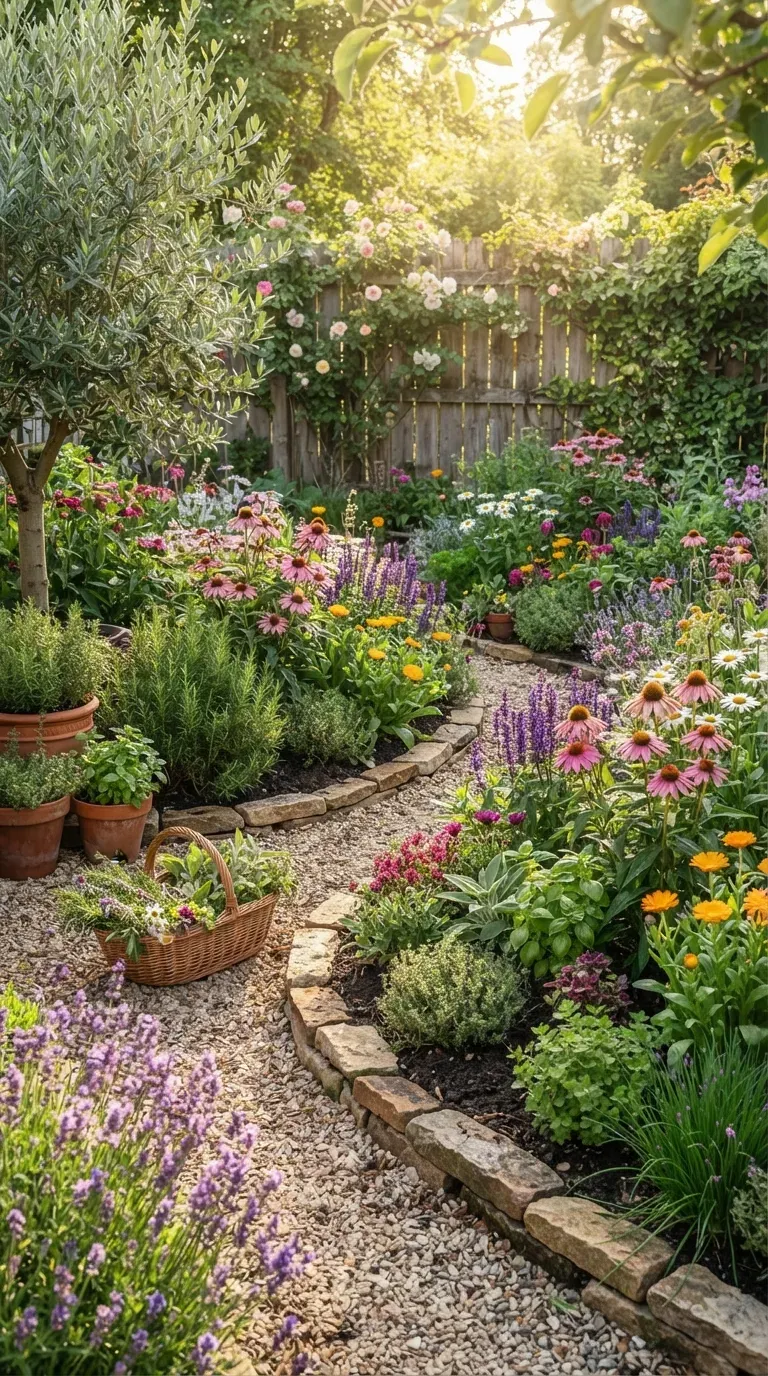
I especially enjoy combining ornamental flowers with herbs because the garden becomes both beautiful and useful. Flowers can add color and attract beneficial visitors, while herbs provide something practical to harvest.
A combination garden doesn’t need to be complicated. Start with herbs you regularly use and add flowers that suit the same light and soil conditions. For a dedicated herb feature, you can also explore my previous guide, Herb Spiral Garden Ideas: 7 Beautiful and Practical Designs for Fresh Herbs.
Why You’ll Love It
- Combines beauty with practical gardening.
- Creates a diverse planting scheme.
- Makes productive gardens feel more decorative.
My Tips for Planning a Flower Garden
Before I plant a new flower bed, I always start by observing the space. I check how much sunlight it receives, whether water collects after rain, and how much room the plants will have as they mature.
I also recommend grouping plants with similar needs. A flower that enjoys full sun and dry soil may struggle beside a plant that prefers shade and consistently moist soil.
Finally, think about height, color, texture, and bloom time. Planting a mixture of these elements can make your garden look interesting throughout the growing season rather than having everything bloom at once.
Conclusion
These flower garden ideas show that you don’t need a huge yard or complicated landscape plan to create a beautiful outdoor space. A small cottage border, colorful perennial bed, wildflower patch, vertical garden, or flower-and-herb combination can completely change the feeling of a garden.
From my experience, the best results come from working with the space rather than fighting it. Choose plants that suit your sunlight, soil, climate, and available room, then build your design around them.
And if you want to bring more edible plants into your flower garden, explore my previous [Herb Spiral Garden Ideas: 7 Beautiful and Practical Designs for Fresh Herbs] for another practical way to combine beauty and function in your garden.